


5 Tips for buying a Surfboard
Wave ready!
Buying your first surfboard is super exciting. However, with all the different shapes, sizes and types this can be a difficult and daunting process. It’s a personal journey that involves a blend of practical considerations and individual preferences. Let us provide you with 5 tips for buying your surfboard and where to pay attention to! Follow these tips, explore our diverse range of boards, and ride the wave with confidence.
1. Style of Surfing
One of the first steps in selecting the right surfboard is understanding your skill level. Are you a beginner just starting your surf adventure, an intermediate surfer looking to progress, or an advanced rider seeking a specific performance board?
There a different types of surfboards and the board you need as a complete beginner is different from the board you’ll want once you become proficient at catching and riding waves. Boards for barrel riding are different from boards for noseriding, which are different from big wave boards, high-performance boards, and other shapes.
If you are just starting your surf journey, you want a good beginner surfboard that will help you catch as many waves as possible. This is the best way to learn how waves work and to get to know the ocean and your surf style. Consider getting a user-friendly longboard or soft top surfboard such as the standard softboard by Flowt or Ocean + Earth that we are using 5-day Learn to Surf Program. Easy to paddle and provide stability, making the learning process enjoyable. Since you probably change to a smaller board and a hard board soon, we would not recommend you to buy a longboard soft board. Better invest the money into a board rental.
Intermediate surfers might find a balance of stability and manoeuvrability in funboards, while advanced riders hitting larger waves or reef breaks may opt for the precision and control of shortboards. Trying different boards in different sizes and shapes before you buy one, is always recommended. Our Premium Surfboard Collection offers a wide range of high quality boards, that you can try during your stay in one of our Kima Surfcamps.
2. Types of Waves
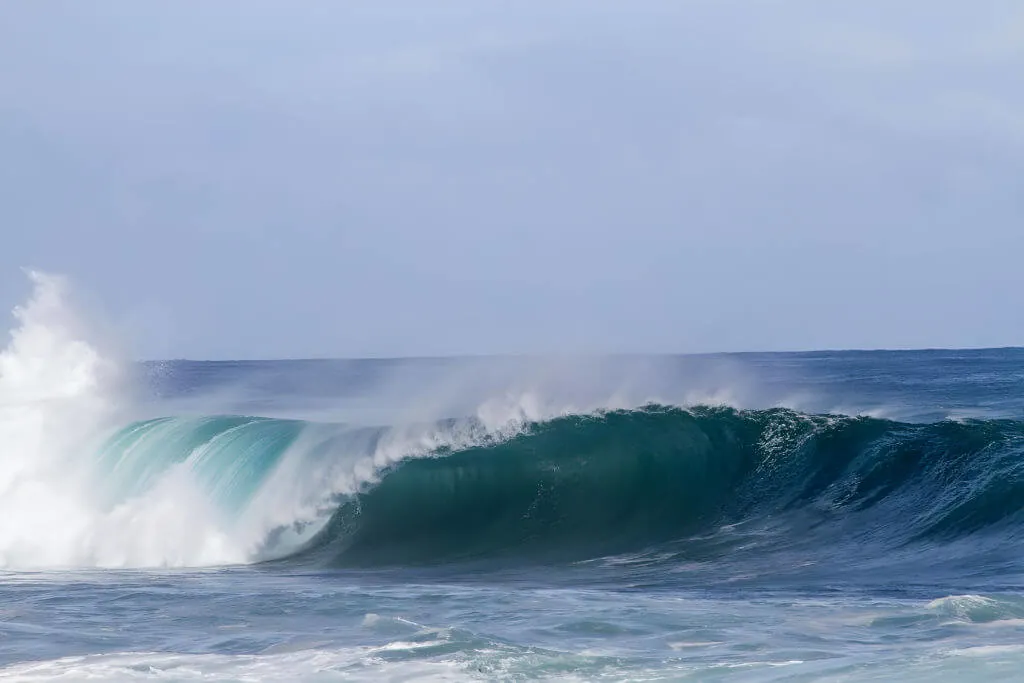
The waves you'll be riding play an important role in choosing the right board and understanding the different types of waves is crucial. Having a lot of different types of waves comes with a lot of different sizes and types of boards. For beach breaks with smaller, softer waves, a longboard or funboard might be ideal. If you're hitting larger waves or reef breaks, a shortboard might offer the precision and control you need.
We understand the importance of choosing the right board, especially if it's your first. A mid-length board is often a great starting point as it suits a wide variety of waves, giving you a good and steady foundation. As you progress in your surf journey, you can explore different sizes and shapes to match your style, the waves and conditions. In our classrooms, we explain more about the different types of waves and the different kinds of surfboards, helping you gain a deeper understanding.
Many surfers, at one point, find joy in having a quiver* of boards, each designed for different conditions and styles. It's not about buying a new board every other day but finding what works best for your style and the waves you want to ride!
*”Quiver” is surfer slang and means a surfer’s surfboard collection.
3. Size Matters
When it comes to surfboards, size matters, and we're not just talking about length. While length used to be a significant factor, the emphasis has shifted to volume in modern board design. The rule of volume, based on your desired surfing style and body weight, plays a crucial role in choosing the right board.
The rule for determining the volume (litres) of your surfboard is based on your skill level, weight, and the type of waves you want to ride. Beginners generally start with a board that nearly has a volume equal to their weight in kilograms, while advanced surfers might go for a lower volume for increased manoeuvrability.
Generally speaking, a board with a higher volume will be more stable and better suited for larger or beginner surfers, while a board with a lower volume will be more manoeuvrable, flexible and better suited for smaller or more experienced surfers.
Don’t worry about what other people think about your board choice and don’t buy a board because it looks cool - remember that the point of surfing is to have fun, and you want a board that will help you have as much fun as possible by catching as many waves as possible!
Examples of surfboard volume in Litres by Surfboard Types:
Shortboards: 22L – 35L
Fishes: 25L – 45L
Funboards: 40-60L
Longboards: 60L – 100L
4. Test before you invest
Before committing to buy a board, take advantage of opportunities to test different boards. Start with renting a board, so you know what size and shape fits the best to your style and level. At Kima, we have a huge variety of surfboards to rent. From beginner soft-tops to high performance, and high-level boards (our 5 Star Quiver Boards) from brands such as KT Surfing, AIPA, MISFIT SHAPES, SMTH and Gerry Lopez. Our surf guides and head coaches will help you pick out the best board for you, to suit your level and style. You can always swap your board around to try out a new size or shape! Testing different shapes and sizes will give valuable insights into what feels comfortable and suits your surfing style.
Renting your board at Kima is easy and worry-free with our board insurance, covers all costs for any repairs of your rented board.
Additionally, consider exploring the second-hand market for a board. There are plenty of online places and surf shops where you can find a good second-hand board. A lot of temporary surfers leave their boards when they continue their travels. It’s an environmentally friendly option, easy to test and resell and a potential saving.

5. Learn more & Ask questions
nowledge is power, especially when it comes to buying a surfboard. Avoid making impulsive decisions based solely on looks. Instead, learn more about different board types, sizes, and shapes. Feel free to reach out to our surf department for expert advice.
At Kima, we offer classrooms three times a week on various topics to deepen your surf knowledge. Join these sessions to gain insights into different surfboard types, learn how to read the waves, understand surf etiquette, and more.
So, while the process of buying a surfboard is super fun, it requires a little bit of knowledge, patience and tries! With these tips, you are ready to go on a journey to ride the waves with your new board with confidence and joy. Ready?
BOOK NOW!