

Best Time to Visit Bali
The Seasons in Bali
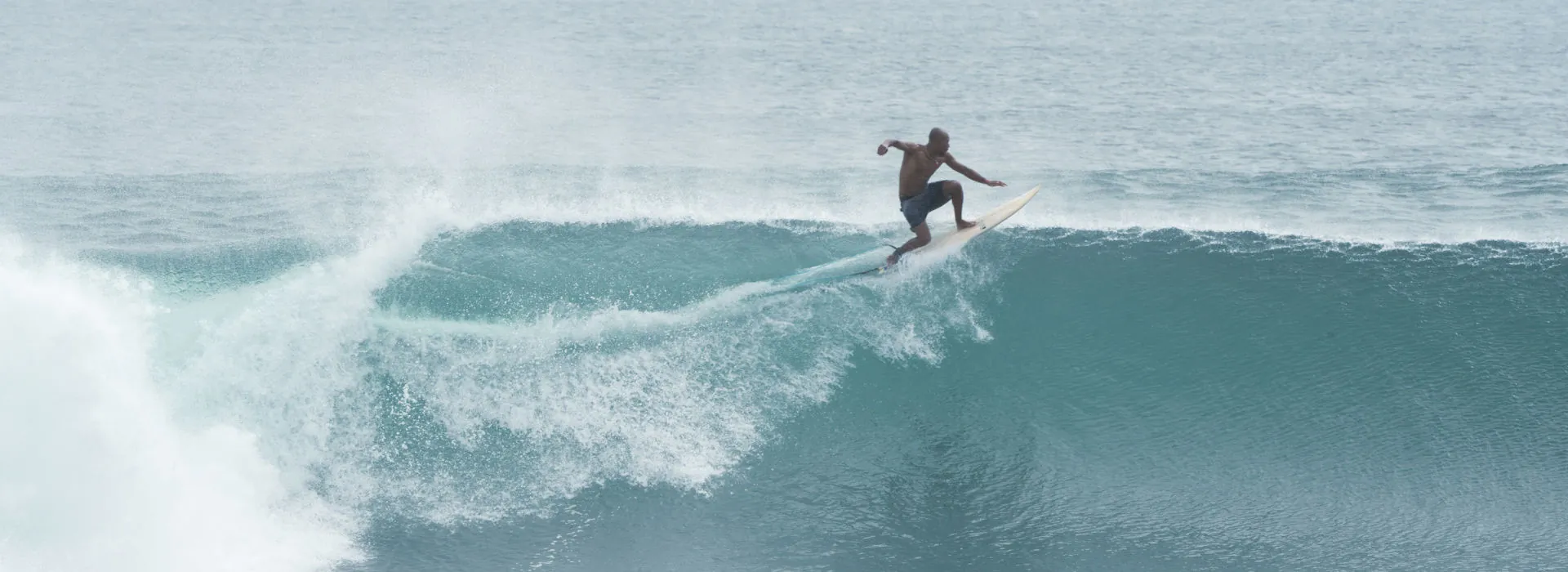
Bali, known as the "Island of the Gods," is a surfer's paradise with amazing beaches, world-class waves and breathtaking landscapes that can be enjoyed year-round thanks to its unique and diverse climate. But when is the best time to travel to Bali? When is the peak swell season and the best time for the ultimate surfing experience? To answer these questions, you need to know about Bali's two seasons: the rainy season and the dry season, and understand how they impact the weather and, most importantly, the surf conditions.
The Dry Season: April to October
Dry Season in Bali is the high season in Bali. This season, from April to October, brings clear skies, plenty of sunshine, temperatures ranging from 25 to 30 degrees Celsius, lower humidity and cool ocean breezes. There is minimal to no rain, especially from May to September. With this perfect weather for tanning and strolling around the island also comes ideal wave conditions, making the dry season the best time to travel for surf enthusiasts.
The biggest swells in Bali generally occur from May to September, with peak swell season usually in June, July, and August. Clean and glassy conditions for surfing dominate caused by the large-scale wind patterns known as the Trade Winds, which blow from the southeast across the Indian Ocean towards Indonesia. This time of the year is famous for consistent, world-class waves along Bali's surf spots on the west coast, including the famous breaks at Uluwatu, Padang Padang, and Bingin Beach. National and international pro surfers come to the island to catch the waves and plenty of surf competitions in Bali take part.

But attention: with better surf conditions, also comes larger crowds during the dry season, particularly at popular surf spots. To find quieter breaks, consider exploring less-visited areas or going out during early mornings.
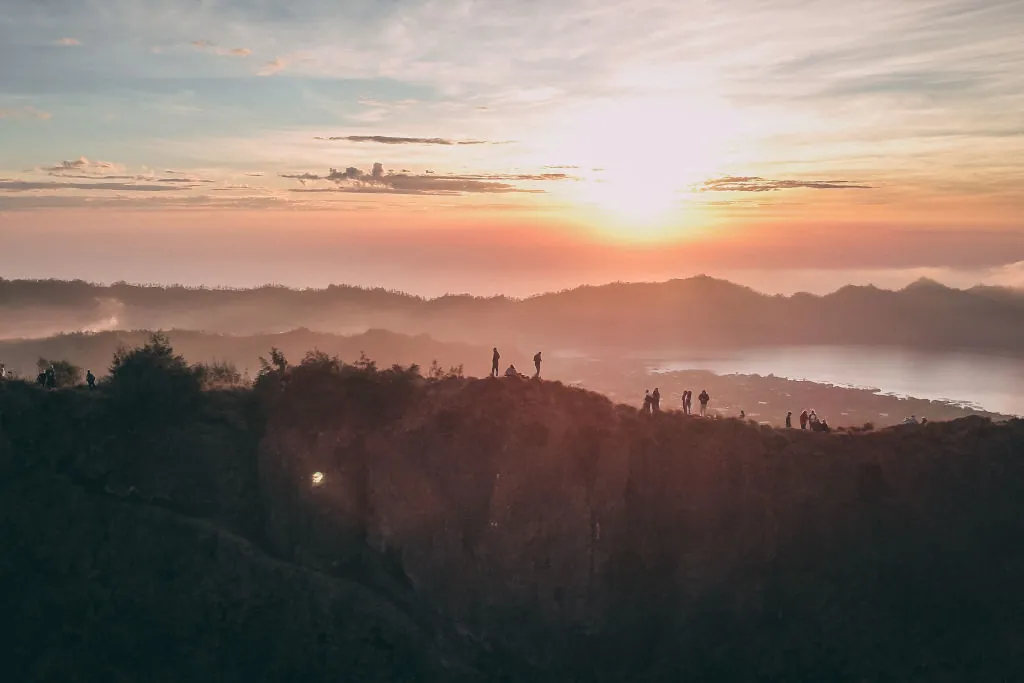
Also, for the non-surfers the dry season is very popular to explore the beautiful island with all its facets. One of the most unique activities in Bali is the Mount Batur Trekking during Sunrise. Between April and October is ideal, as the rainy season can cause trails to be muddy and slippery.
One of the most iconic annual events in Bali is the Bali Arts Festival, which also occurs during the dry season in June and July. Same as the Indonesian Independence Day which falls on August 17th and is commemorated with parades and outdoor celebrations.
The Rainy Season: November to March
The rainy season in Bali is typically from November to March. During this period, the island experiences a significant increase in rainfall and overcast skies. While the lush landscape becomes even more vibrant and green, for surfers it can get unpredictable during the rainy season.
Whereas the temperatures still remain consistent at 27 to 33 degrees Celsius, the humidity level increases and you have to expect some heavy rain and occasional thunderstorms. Some days may bring non-stop downpours but typically the rainfall comes in short bursts followed by sunny spells.
Onshore winds are more prevalent during the rainy season, making for choppier conditions in most surf spots. Generally, the rainy season is also associated with smaller and less consistent waves along the west coast, especially in popular surf spots like Kuta and Canggu. However, the east coast, notably Nusa Dua and Sanur, may still offer rideable waves during this period and especially for beginners or people who want to learn to surf, the conditions are still good.
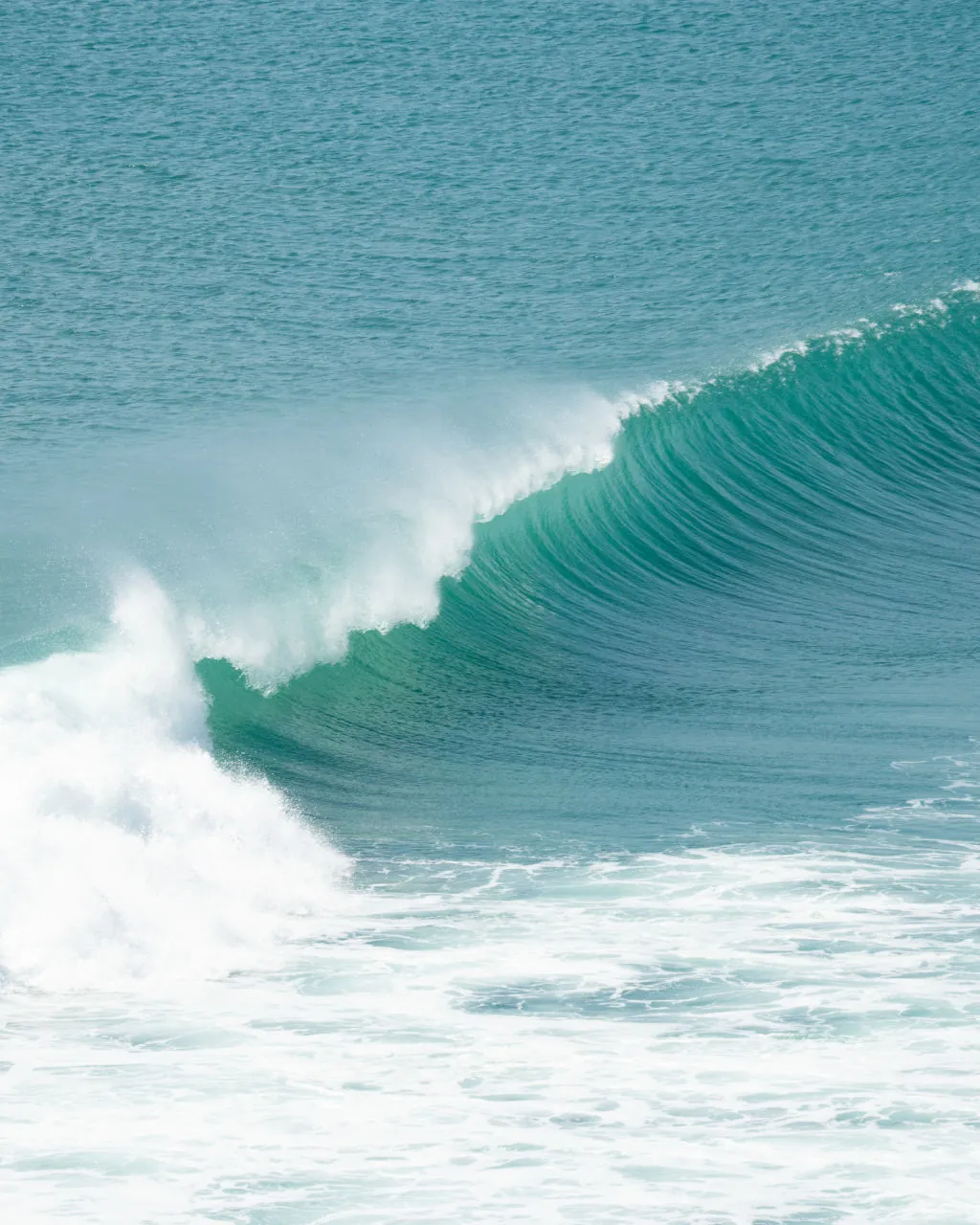
Since the rainy season is considered low season, there are fewer tourists on the island and due to the less favourable conditions, there are smaller crowds in the lineups, offering a quieter and more relaxed surfing experience.
Bali is still enjoyable under any weather, also during the rainy season, as long as you keep the fun spirit of your holiday. Especially from December to January the island is full of people who escape the European winter to enjoy their Christmas holidays and New Year’s Eve in the sun. Furthermore, the rainy season is the time of one of Bali’s most important holidays in March: Nyepi. It is the Balinese Day of Silence and their traditional way of celebrating Christmas and New Year’s Eve.
However, it’s important to note that the seasons and the swells can be unpredictable and can vary greatly from year to year. Some years may see more consistent and bigger waves than others, depending on factors like weather patterns, ocean currents, and sea temperature.
And this is exactly the reason why this year’s rainy season 2023 / 2024 in Bali is considered a good one with less rain and better waves because of a weather phenomenon called El Nino.
Indonesia’s Rainy Season 2023 / 2024
This year's rainy season will be affected by the weather phenomenon called El Nino. It is a climate pattern that describes the unusual warming of surface waters in the eastern equatorial Pacific Ocean. It impacts the ocean temperatures, the speed and strength of ocean currents, trade winds and the local weather from Australia to South America and beyond and so Bali, too. What makes El Nino so special is that it’s irregular and only occurs at two- to seven-year intervals.
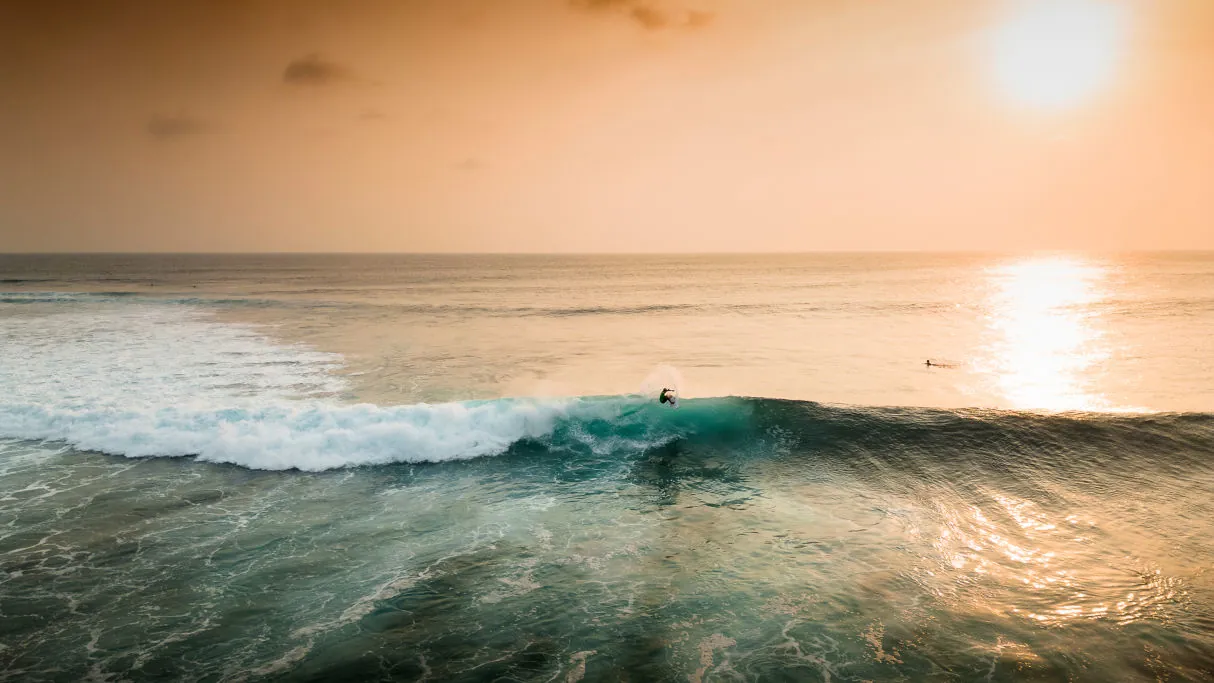
The accumulation of warmer waters off the South American coast caused by El Nino triggers a discernible change in Bali’s rainy season: a distinct shift in the Indonesian rainfall pattern during the wet season. The Australian-Indonesian monsoon weakens, now transitioning into a relatively drier and warmer climate than normally during the rainy season. The usual trade winds are weaker and the beginning of the wet season starts with pumping swells. Surfspots facing southeasterly winds will have the best conditions initially. While El Nino typically stalls the onset of the monsoon across Bali, you can expect a weakened monsoon flow during the heart of the season with less rainfall compared to normal. In the end, El Nino causes we’ll have more stronger surf days with the most favourable conditions than during normal rainy seasons. And this we definitely like!
