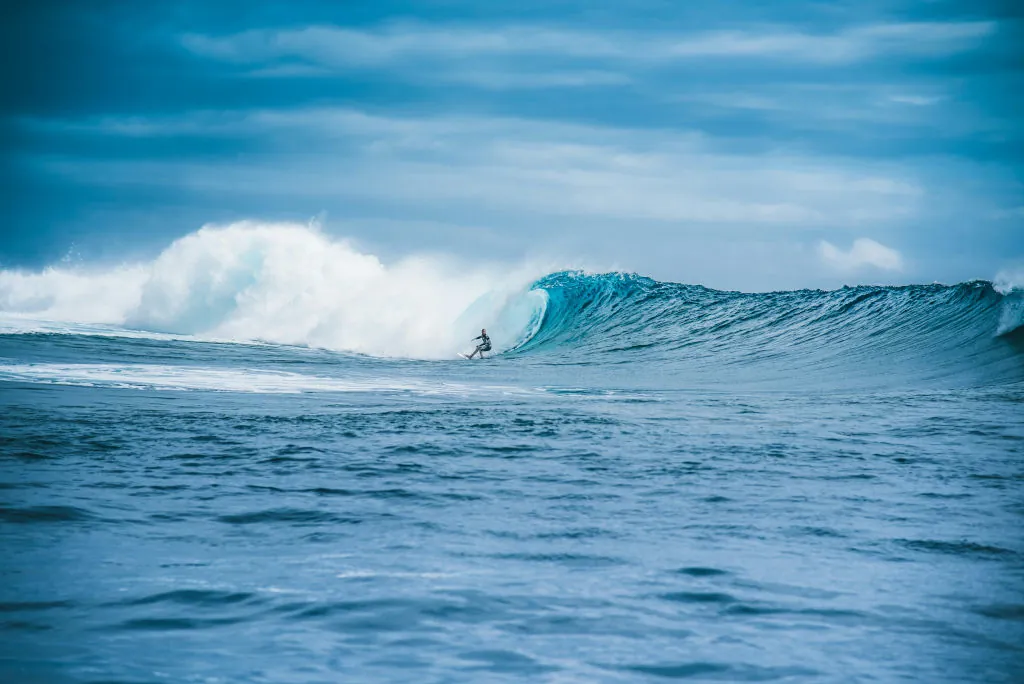
Discovering The World Surf League
The Best of the Best!
Surfing the legendary waves of Pipeline and other iconic breaks, proudly representing surf brands like Quiksilver, Billabong, or Rip Curl, and competing against the greatest surfers of all time. It's the dream, right? But let’s be real, the path to surfing against the G.O.A.T’s doesn’t come easy. It demands a lot of dedication, relentless hard work, and some luck.
Surf legends like Gabriel Medina, Carissa Moore, and Kelly Slater have shown us what it takes to make it to the top of the World Surf League (WSL). The World Surf League is the highest league for professional surfing, organising competitions and champions worldwide. The level of professional surfing is higher than ever and the surf spot is experiencing a real hype. The competition is getting stronger and stronger and so is the new generation - the groms. The WSL is attracting more and more media attention and is gaining in importance.
But what exactly are we talking about? Where does the WSL come from? When did it all start and how does a WSL competition take part? We answer these and many other questions now.
History of Waves and Legacy
The World Surf League, simply known as the WSL, is one of the most prominent professional surfing organisations in the world. The WSL, formerly known as the International Professional Surfing (IPS) organisation, was founded in 1976 by two Hawaiian surfers, Fred Hemmings and Randy Rarick. It was later rebranded as the Association of Surfing Professionals (ASP) in 1982 before having its current name, World Surf League (WSL), in 2015.
The WSL is driven by a vision to bring surfing enthusiasts together and celebrate the sport. The organisation provides a platform where the world's best surfers can showcase their talent and skills during different events, inspiring a global community of fans and surfers. But what exactly sets the WSL apart, and how does it work?
Understanding the WSL Tours
Over the years, the WSL has organised a wide and diverse range of tours and events within surfing. These are the different tours and events that the WSL offers nowadays:
1. World Championship Tours for Men and Women
These tours for men and women are the most famous and the top competitions in professional surfing, a place where surfers show their highest level of talent and skill on the waves. World-famous surfers from around the world, like Kelly Slater, Stephanie Gilmore and Gabriel Medina compete in these events. These tours take place at some of the world's most renowned surf breaks, think about Pipeline in Hawaii, Bells Beach in Australia, Peniche in Portugal and Teahupo'o in Tahiti.
Any idea, who holds the record for the World Surfing Championships? Of course none other than THE GOAT Kelly Slater with 11 wins!
2. The Challenger Series (CS)
Before surfing in the 'big league' of professional surfing, the Championship Tour, the top surfers from the regional Qualifying Series events get invited to compete in the Challenger Series events around the world. The Challenger Series are global events and the step before the Championship Tour. 80 men and 48 women fighting and surfing their souls out, to save one of the 10 men’s and 5 women’s spots at the top level. They are the ones who get to ride the waves at the top of the top, against the world's best surfers.
3. The Qualifying Series (QS)
Before surfing the elite CS or even CT events, surfers have to compete in the regional Qualifying Series (QS). This series is the stepping stone for ambitious professionals, allowing them to earn valuable points. The QS are held in all seven regions, Africa, Asia, Australia / Oceania, Europe, Hawaii / Tahiti, North America and South America. The most successful surfers from all the regions will qualify for the global Challenger Series and get one step closer to the Championship Tour.
4. World Junior Tour
Practice makes perfect if you want to become a surf champion: at the World Junior Tour, the journey of professional surfing starts for the youngsters. The best-talented surfers under the age of 18 compete in their regions for a spot in the prestigious WSL Junior Championships. Winners of the WSL Junior Championships join a distinguished class of past champions and are given coveted wildcards directly into Challenger Series events.
The events of the Junior Tour are held at various locations and surf breaks around the world, each offering its own unique challenges and opportunities for surfers to test their skills. From challenging reef breaks to powerful beach breaks, the diverse range of conditions helps the surfers become capable of adapting to different waves and environments.
5. The Big Wave Tour & Awards
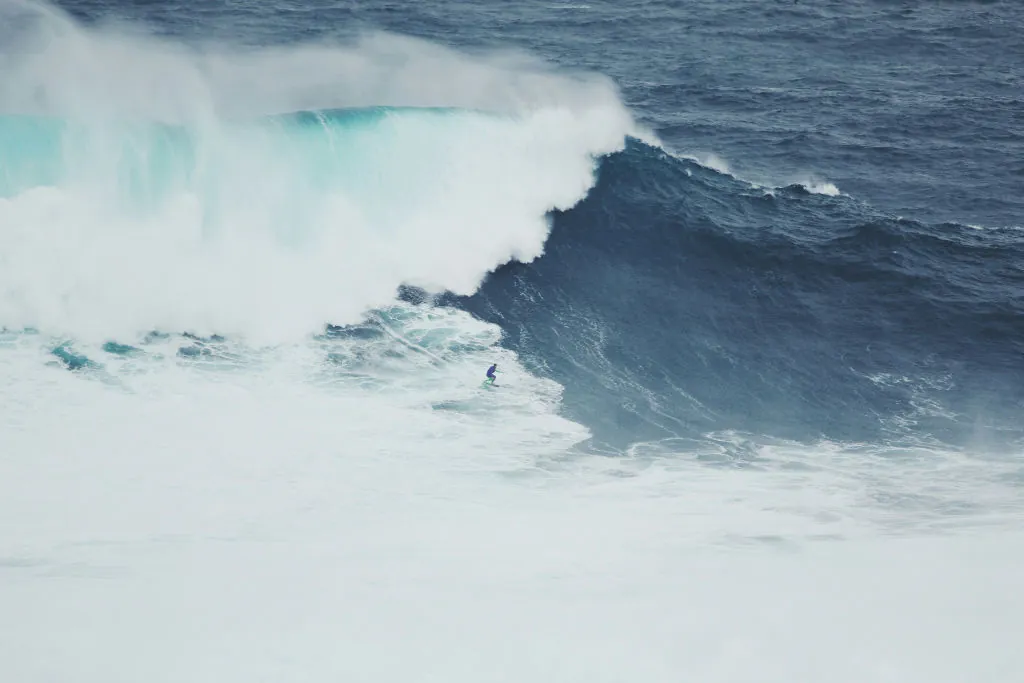
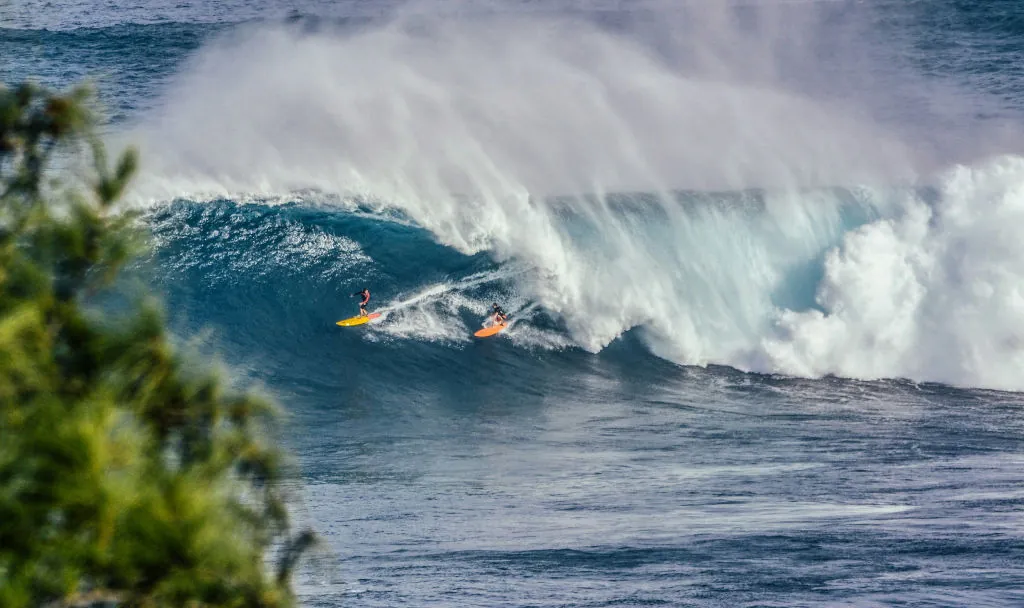
The Big Wave Tour is only for the most daring surfers, riding the biggest waves in the world. Some famous breaks for the Big Wave Tour events include Mavericks (California), Nazaré (Portugal), and Jaws (also known as Peahi in Hawaii); waves can reach heights of over 60 feet!
Surfers like Kai Lenny, Maya Gabeira, and Jeff Clarke pushed their limits and showed the crowd their skills and courage during these events. The New Big Wave Challenge recognises outstanding achievements within the sport with awards like "Ride of the Year" (won by Nathan Florence in 2023) and "Biggest Wave" (Justine Dupont in 2023). It also honours the "Wipeout of the Year" that comes hand in hand with surfing (won by Danny Griffiths in 2023).
6. The World Longboard Championships
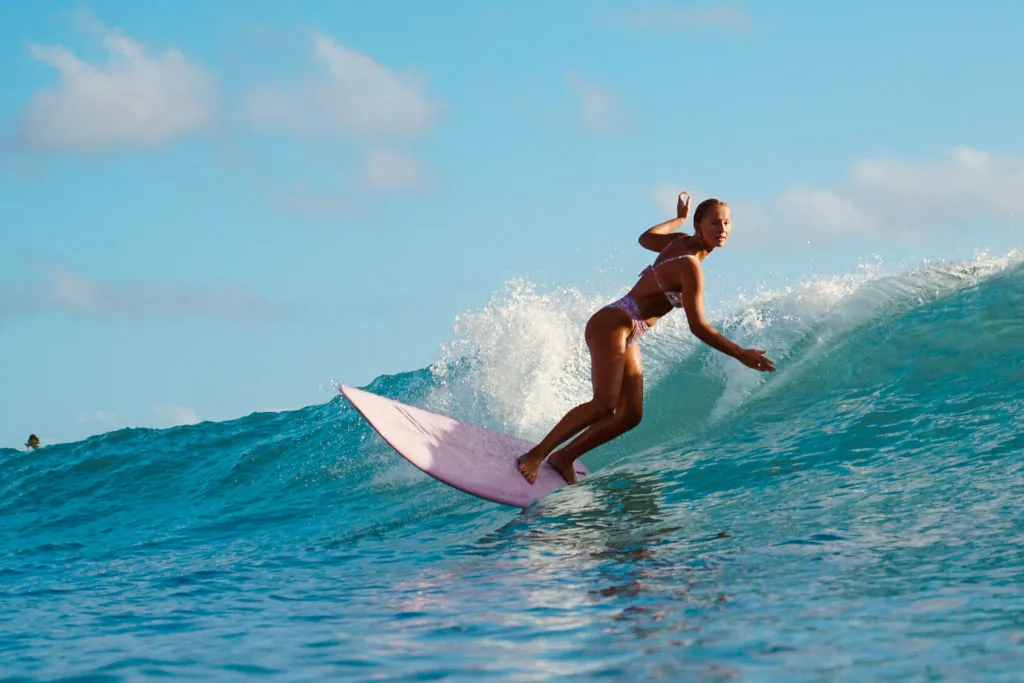
From surfing waves with shortboards to gliding on the waves with longboards. This unique discipline of longboard surfing has its own platform within the World Surf League, also known as the World Longboard Championships. Top longboard surfers worldwide gather around to show their talent on classic longboards.
While the CT focuses on dynamic manoeuvres on shortboards, on gaining speed, and power, the longboard competitions are focused on style, finesse, and traditional surfing techniques. Events are held at beautiful destinations like Malibu in California, Noosa in Australia, and Hainan Island in China, where you can find the best longboard waves.
Soleil Errico, Honolua Blomfield, Taylor Jensen, and Kaniela Stewart are some examples of the best longboarders, showing their finesse and creativity in riding gentle, rolling waves. Did you know that Taylor Jensen has succeeded in both longboard and shortboard competitions? He's competed in both the World Longboard Championships and the Championship Tours!
Rules for WSL Events
No sport comes without rules, and surfing is no exception. The World Surf League (WSL) has its set of guidelines and rules to keep things fair and safe during their events and competitions. Even though you might not (yet) be surfing in the WSL, understanding these rules enhances the enjoyment of watching and understanding the sport. There is a complete rule book that explains all the rules in detail, but here are some key rules to know:
1. Wave counting
WSL events are structured into rounds, further divided into heats. During these heats, surfers can catch a limited number of waves. Each wave they ride is scored by five judges. Surfers must choose their waves wisely to maximise their score within the given time frame.
2. Scoring System
The judges rate the waves of the surfer based on their performance on each wave, considering factors like difficulty of manoeuvres, speed, style, take off and the size of the wave. Scores range from 0 to 10, where 0 is the lowest and 10 is for riding a perfect wave. Here's the twist: only the two highest-scoring waves count towards their final heat score. So, surfers strategically choose the best waves to catch and perform their manoeuvres on. The remaining scores from other waves are discarded, and the two highest scores are averaged to determine the surfer's final heat score.
3. Priority System & Interference Rule
When surfers compete against each other in the line up, the WSL has the priority system, ensuring they don’t drop in on each other's wave and prevent interference. The surfer with priority has the right of way and can catch any wave they choose without drop-ins from others. Who has priority is determined by factors like waiting time and their position at the wave peak.
A surfer who disrupts the scoring opportunities of another surfer with priority risks an ‘interference penalty’ or can even be disqualified from the heat.
4. Heat Format
Every event typically uses a heat format where surfers compete head-to-head or in groups of two to four. The length of each heat and the number of waves they are allowed to ride vary from event to event. Every surfer ultimately strives to progress through numerous heats and earn as many points, to reach the final rounds and win the whole event.
Events often progress through elimination rounds with names like the Round of 64, Round of 32, and Round of 16. As the competition heats up, the number of surfers goes down until only a handful remain. The final stages consist of the Quarterfinals, Semifinals, and Finals. The surfer with the highest score in the final round takes home the championship title!
Riding Waves at the 2024 Olympics
Lucky us, because this year surfing makes a second tribute during the Olympics! Riding waves at the 2024 Olympics is another milestone and game-changer in the history of surfing as it makes its second appearance as an Olympic sport. Against the stunning backdrop of Tahiti's renowned break at Teahupo'o, 48 of the world's top surfers from diverse backgrounds and countries will showcase their skills and determination to claim gold and Olympic honours.
While most of the Olympic events will take place in Paris, surfing will take the spotlight 12 hours away at the iconic break at Teahupo'o in Tahiti, French Polynesia. From July 27th to August 5th, 2024, surf enthusiasts can tune in to watch the competition unfold. Famous surf talents like Gabriel Medina, Carissa Moore, Molly Picklum, Filipe Toledo and our Indonesian surfer Rio Waida, qualified through the 2023 ISA World Surfing Games and will battle for a medal.
The 2024 Olympics surfing event promises to be an unforgettable celebration of the sport's rich heritage and the spirit of inclusivity and competition.