

There's a nut to every bolt
The Different Types of Surfboards
If you look at photos or videos of surfers, scroll through social media or watch TV, you've probably already noticed that there are a lot of different surfboards out there. As diverse as the sea and its waves are, as diverse are the different surfboards that the market offers. They come in various shapes and designs, each tailored to different wave conditions, surfing styles and surfing levels.
In general, Surfboards can be divided into 5 basic categories: shortboards, fishboards, longboards, funboards, and guns. They all vary in size, shape, and purpose. Depending on your surfing level and also the kind of wave you want to surf you might need/want a different board.
We will show you the basic aspects of each Surfboard type so you can better understand which one will perhaps suit your needs.
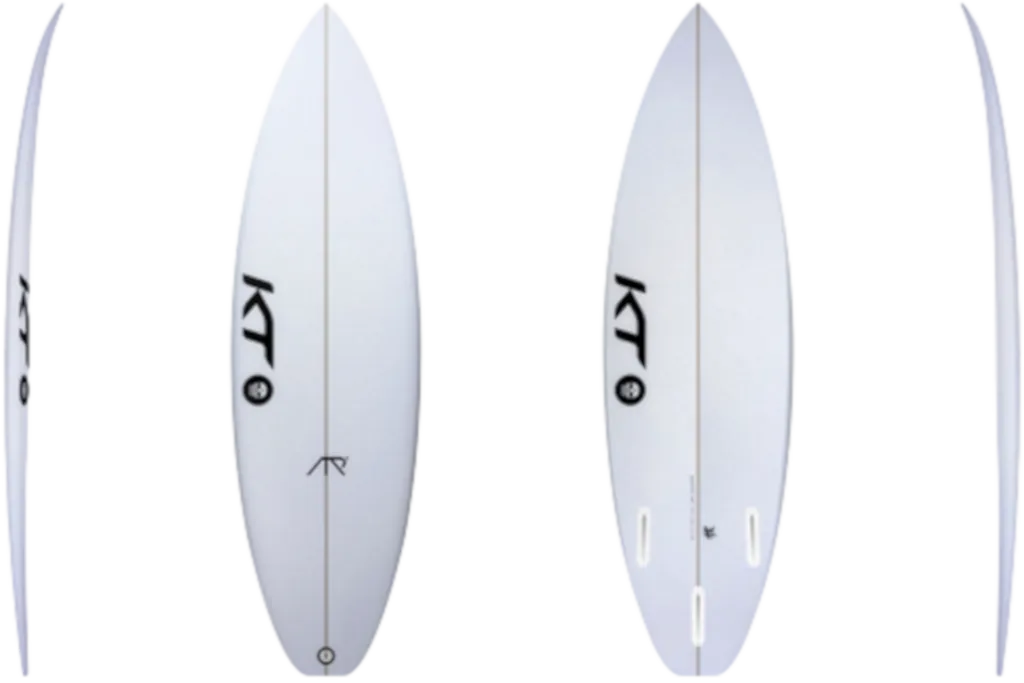
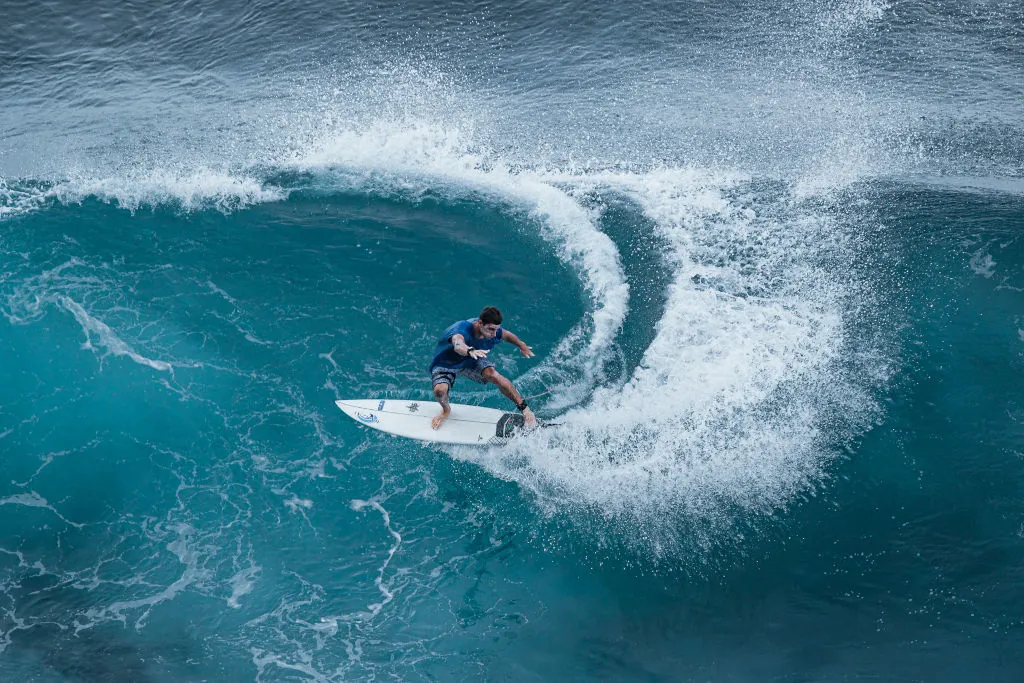
The Shortboard
Shortboards, as the name suggests, are boards shorter in length, normally between 5 and 6.5 feet, low volume, with pointed noses and thin rails. They are known for their agility and high-performance capabilities. A shortboard allows the surfer to surf the wave with more control than any other type of board, gives you the best turning ability and allows you quick turns and manoeuvres. On the other hand, Shortboards are not made for learning how to surf as it is more difficult to paddle and balance. Shortboards are definitely recommended for intermediated and advanced surfers, who love tackling steep and powerful waves, allowing them to execute advanced tricks and techniques. If you are a beginner you should start with a longboard to learn all the basic fundamentals and then slowly progress to a shortboard.
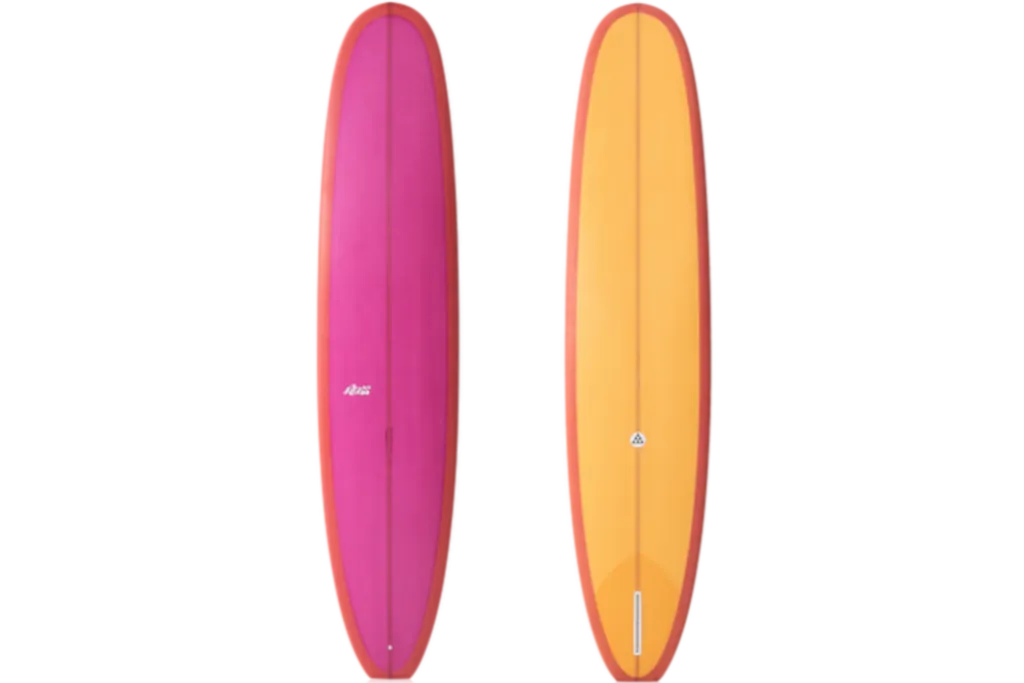
The Longboard
Longboards offer an ideal choice for surfers of all ages and abilities, boasting distinct benefits over shortboards. Typically measuring between 8 to 11 feet, longboards provide a broad and stable platform. Their dimensions, including length, width, and volume, facilitate effortless paddling. This stability and ease of use make longboards an excellent choice for beginners, allowing them to catch waves more easily and consistently. Even in conditions with smaller waves, a longboard remains a reliable option.
However, longboards aren't limited to just beginners. Many intermediate surfers also prefer longboarding. Professionally riding a longboard stands apart from shortboarding. Longboarding emphasizes style, grace, and enjoyment. Surfers often showcase tricks, akin to dancing on the board, prioritizing fluid and elegant maneuvers. In contrast, shortboarding often involves aggressive wave-catching tactics. Essentially, longboarding and shortboarding represent two distinct surfing disciplines.
The Funboard
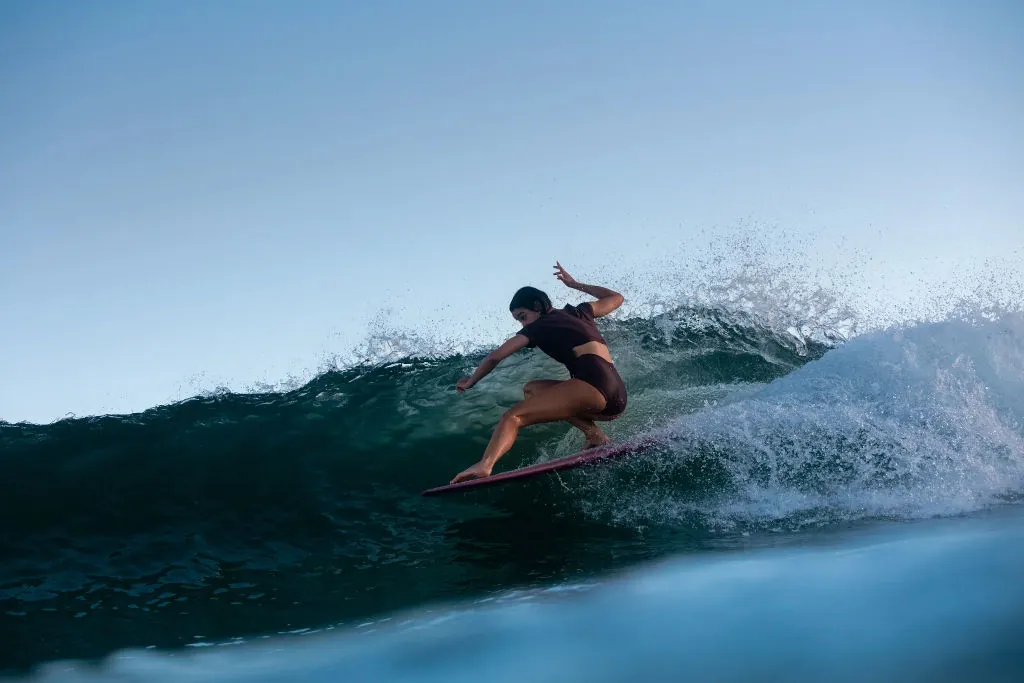
Funboards are something between Shortboards and Longboards, and it combines the best attributes of both designs: the stability of a Longboard and the manoeuvrability of a Shortboard. They normally range from 7 to 8.6 feet in length and can come with a big variety of widths, thicknesses, and nose shapes but are mostly designed with stability and ease of use. Funboards are suitable for a wide variety of wave conditions, making them the perfect type of board that will help a beginner surfer transition from a Longboard to a Shortboard. One of the biggest mistakes beginner surfers make is to jump straight from a Longboard to a Shortboard, and when they do they realize how different both boards are and how much more difficult it is to ride a shortboard.
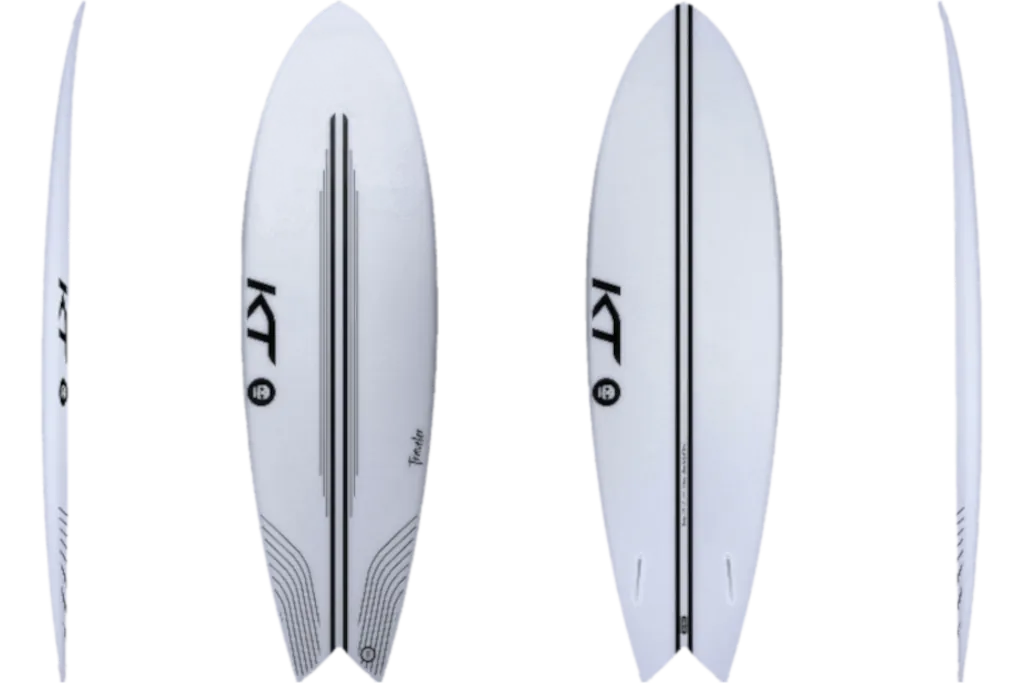
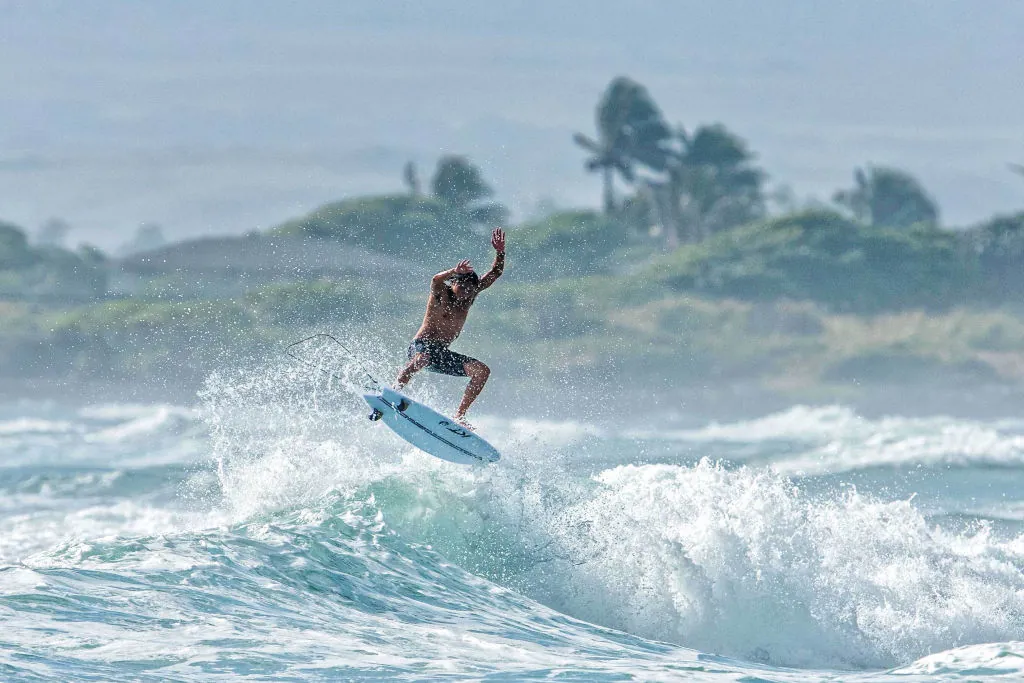
The Fish
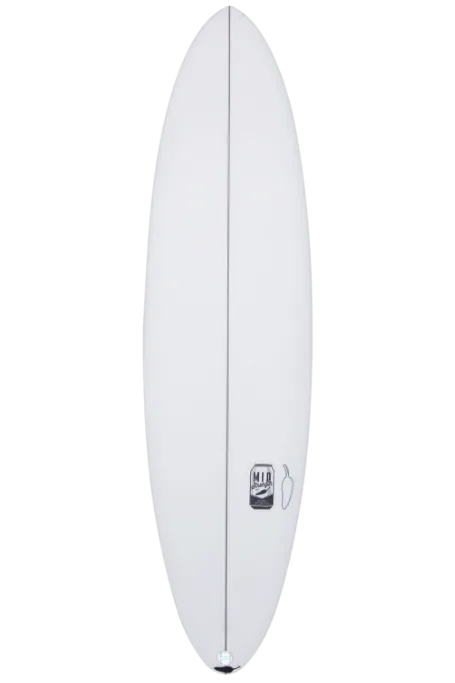
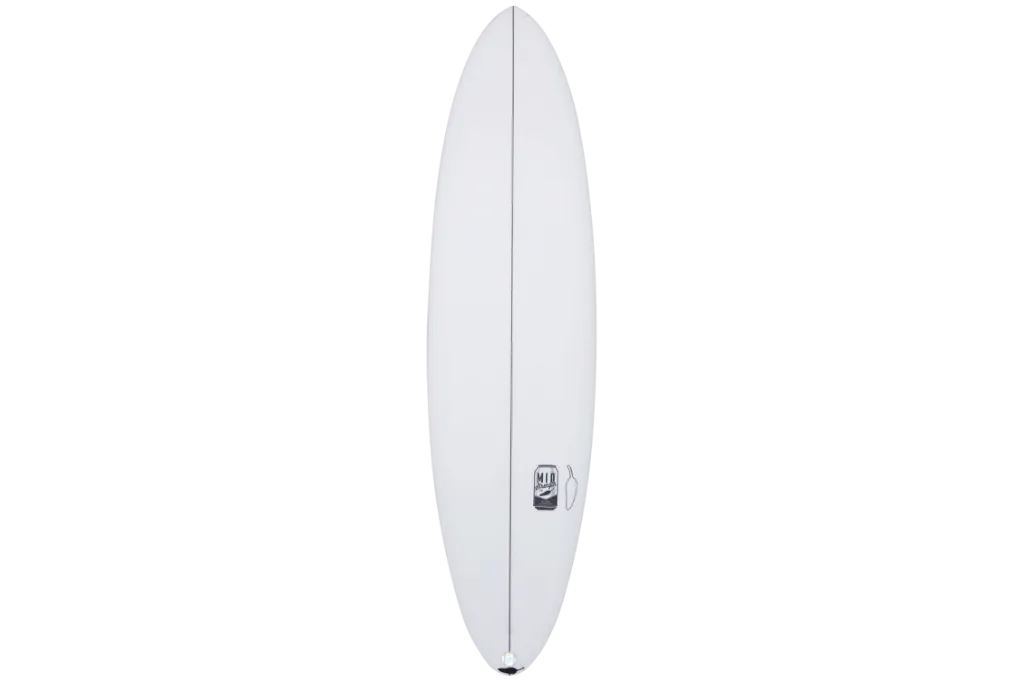
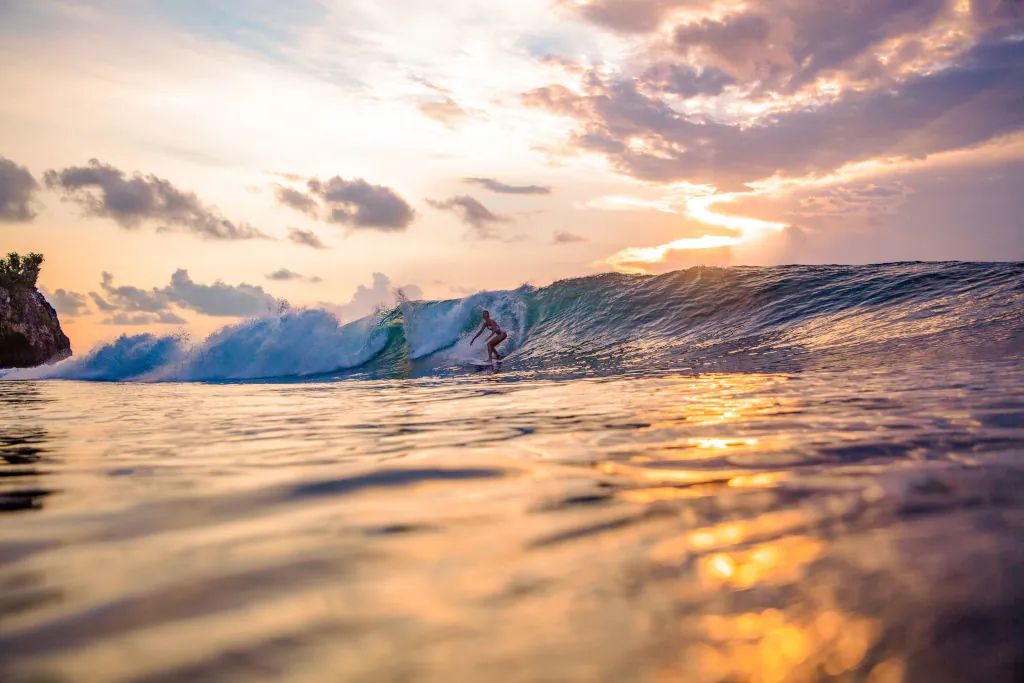
Fish surfboards are similar to Shortboards. The main difference with shortboards is the swallowtail and that Fish boards are wider and thicker for extra volume. This provides more stability and an easy paddle. Falling between 5.4 and 6.6 feet in length, these boards are designed for speed and maneuverability. On days when the waves are slow and small, it can be the ideal board because it will help you to catch many more waves. They thrive in smaller, softer waves, allowing surfers to experience a playful and responsive ride with enhanced agility. You don’t need to be an advanced surfer to ride a Fish, however for this surfboard type it’s still recommend to have intermediate to advanced surf skills.
The Gun
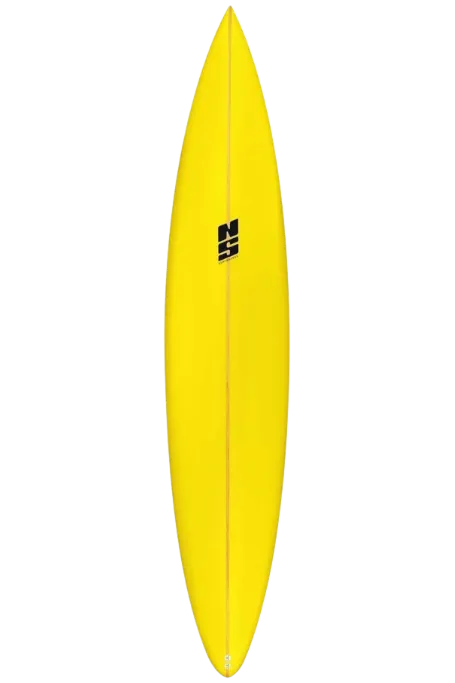
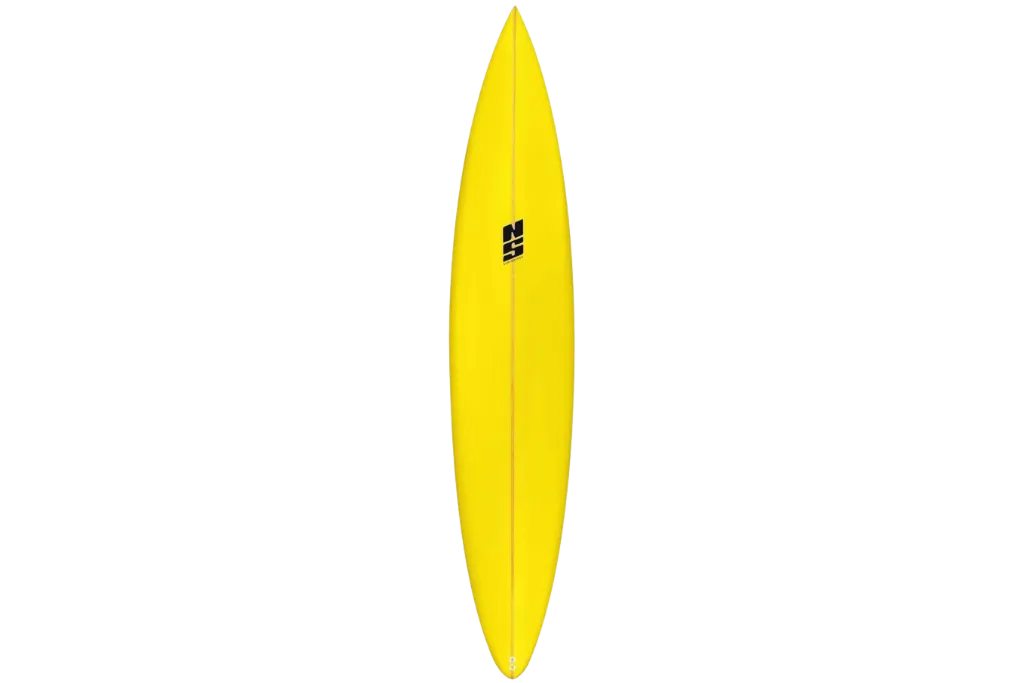
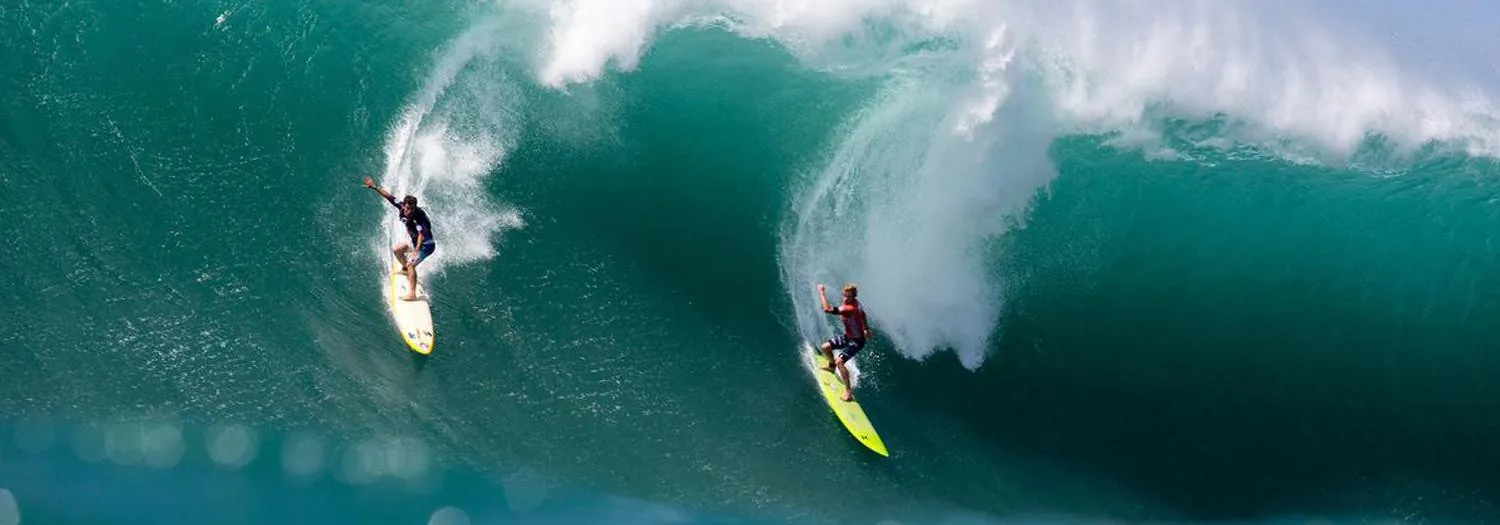
Guns - the name says it all. Guns are surfboards exclusively crafted for big-wave surfing, and they are for advanced and expert surfers only. These boards are built for critical drops and powerful waves typically found in reef breaks and point breaks. Mostly with lengths between 7 and 10 feet with a pointed-shaped nose and tail to increase the manoeuvrability of the board. This combination provides the critical control needed in challenging waves, making them the preferred choice for seasoned surfers in demanding conditions.
At Kima we provide you with a wide variety of Short-, Fun- and Longboards, so you can choose the board that fits the best to you, your surfing level and your goals. Before and during your check-in our team of experienced surf guides will assist you with finding the perfect board for you.
On top, you can book our latest Kima upgrade: our Premium Surfboard Collection - a thoroughly curated collection of high-quality surfboards from top brands like KT Surfing, AIPA, MISFIT SHAPES, SMTH Shapes, Haydenshapes, Gerry Lopez, Hawaiian Pro Designs, Walden and Roger Hinds.
