

Traditional Sri Lankan Dishes
Sun, Surf, and Spices!
Whether you're enjoying the tropical vibes, basking on the sun-kissed beaches or catching those fun waves in Sri Lanka paradise, your adventure is far from complete without trying and savouring traditional dishes! Start your day with Indiappa for breakfast, have some rice and curry for lunch, enjoy the flavoursome lamprais for dinner, and round off with the mouthwatering Watalappam dessert. Our menu at Kima Surf Sri Lanka is a celebration of the tastes and culture of the Sri Lankan kitchen. Let’s take a delicious look into the traditional Sri Lankan kitchen!
History of Food Influences
Sri Lanka has a very rich and historical food tradition which has been shaped by many historical and cultural factors. It’s similar to South Indian food, however, it has its own distinctive taste and flavours that you should try. As it is a tropical island with an abundance of vegetation, Sri Lankan cuisine is known for its use of a vast array of herbs, spices, fish, vegetables, rice, and fruits. The cuisine is highly centred on many varieties of rice and coconut. Seafood also plays a significant role in cuisine.
In ancient Sri Lanka, cooking rice was an art. From rice gruel to milk rice and spiced variants. These culinary traditions highlight the cultural significance of this staple, symbolised by kings offering milk rice to Buddhist priests, showcasing the profound influence of Buddhism, the predominant religion in Sri Lanka, on its culinary practices.
10 Typical Sri Lankan Dishes to try!
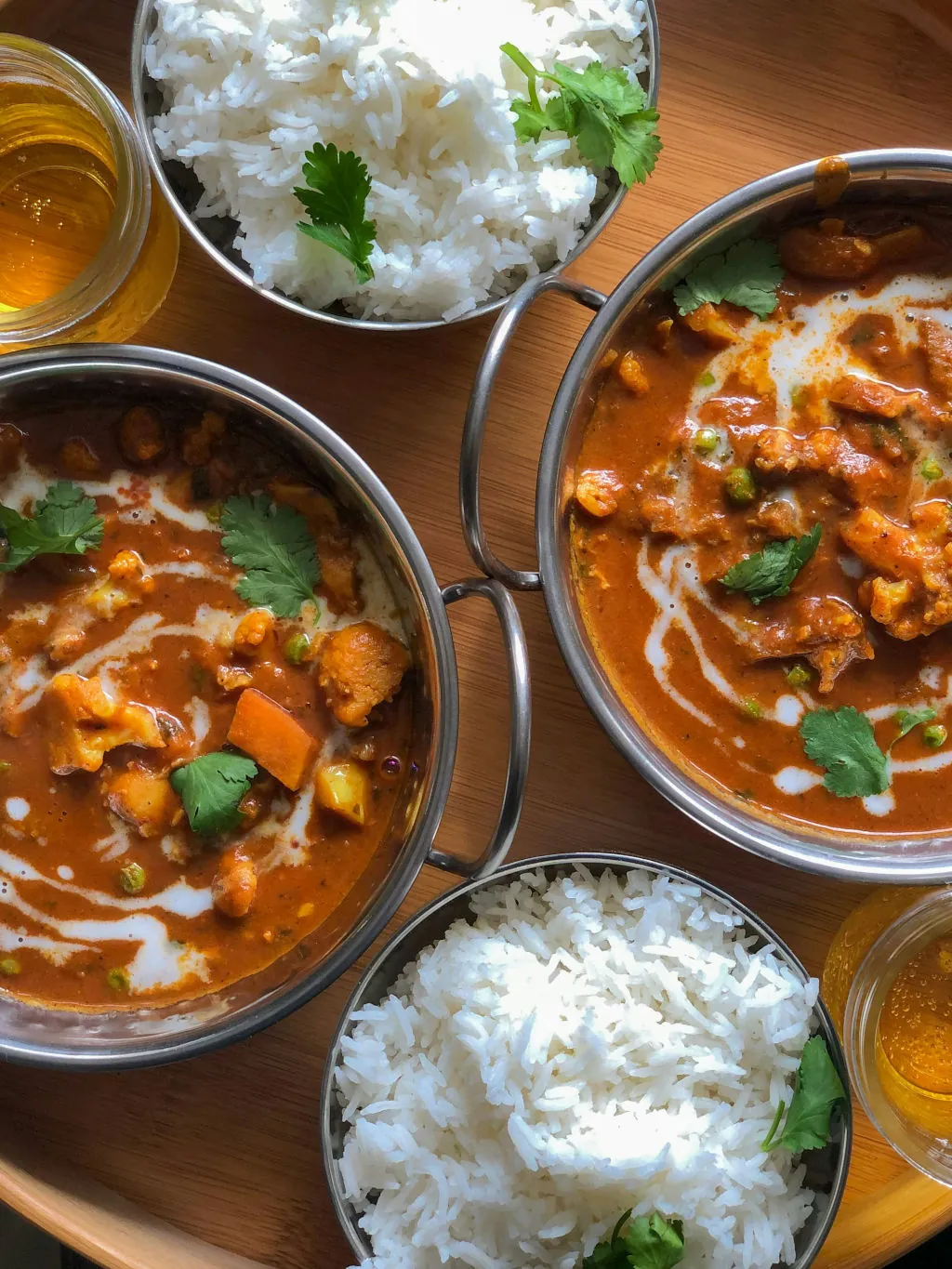
1. Rice and Curry: The symphony of flavours
If you say Sri Lanka, you say Rice and Curry! A typical Sri Lankan meal consists of steamed rice served with a variety of curries. The curries can be vegetarian or include meat, fish, or seafood. Each curry is prepared with a lot of veggies and a blend of spices, such as cinnamon, cardamom, cloves, curry leaves, and chilli.
After a thrilling surf session, refuel your body at Kima with our Sri Lankan curry - a delicious dish served with red or white rice, mango chutney, pickle and papadam.
2. Hoppers (Appam): Pancakes For Breakfast
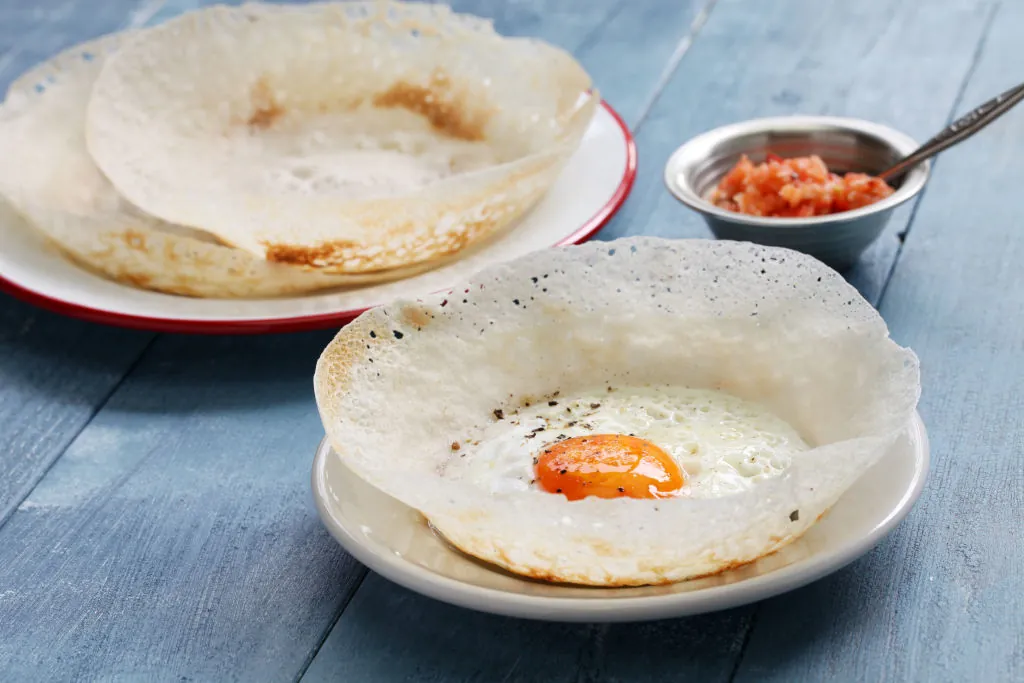
A beloved breakfast amongst Sri Lankan are hoppers, a bowl-shaped pancakes made from a fermented rice flour batter. Crispy around the edges and soft in the centre, hoppers are often enjoyed with savoury accompaniments like dhal (lentil curry) or coconut sambol, offering a perfect contrast of textures and flavours.
3. Indiappa: A dance of textures & flavours
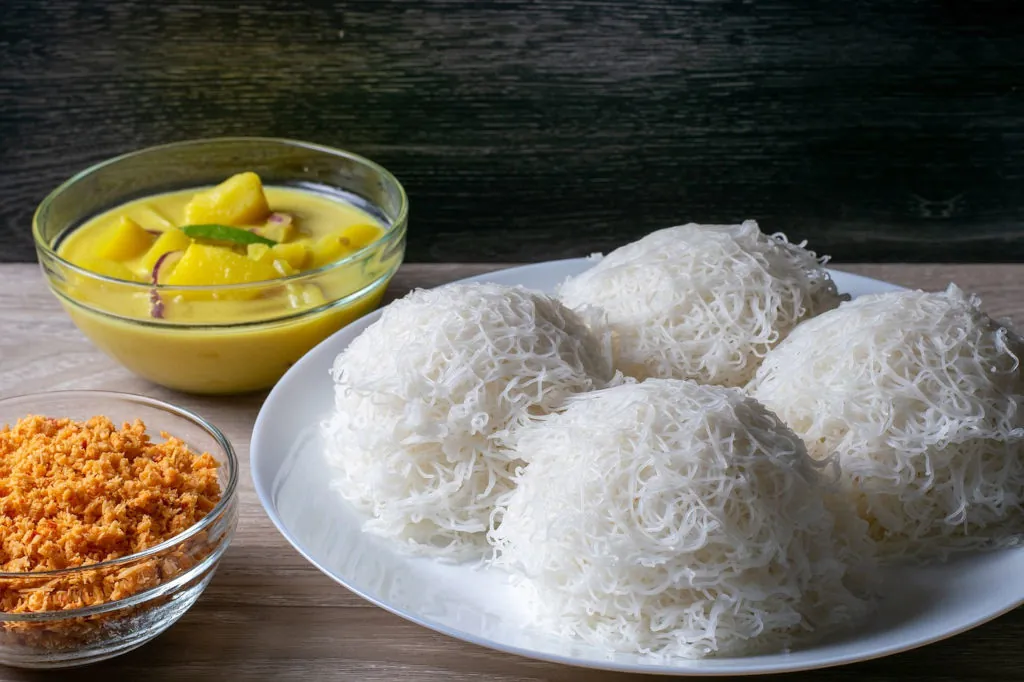
Another delicious breakfast dish is string hoppers. Crafting these delights involves creating a soft dough by blending rice flour and water. This dough is then pressed through a string hopper press, resulting in the noodle-like strands. The long stringy noodles are steamed, and voila, you have Indiappa! You can eat them plain, or with a variety of curries such as spicy chicken or fish, and young jackfruit curry. Locals also eat them with the traditional pol sambol (spicy coconut side dish).
4. Kottu Roti: An all rounder
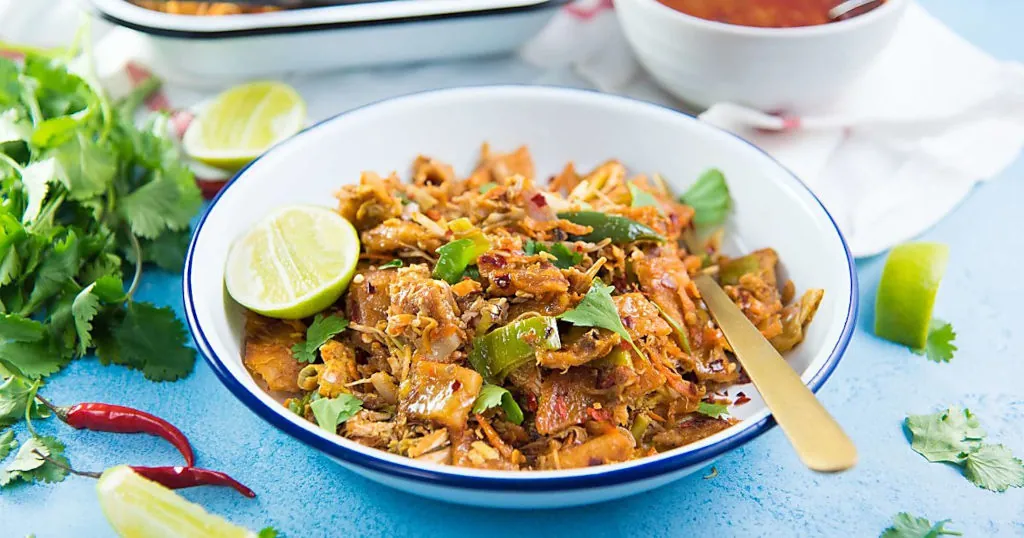
Experience the most popular street food dish from Sri Lanka. If you take a stroll down a busy street in the heart of Colombo or any other part of the country, you’ll be greeted with the sound of street vendors using metal blades to make Kottu Roti from a fair distance away, followed by the smell of the different spices. This dish features finely chopped flatbread mixed with an assortment of ingredients such as vegetables, eggs, and a choice of meat or fish. It is eaten as an evening snack or evening dinner.
5. Lamprais: Taste the love with every bite
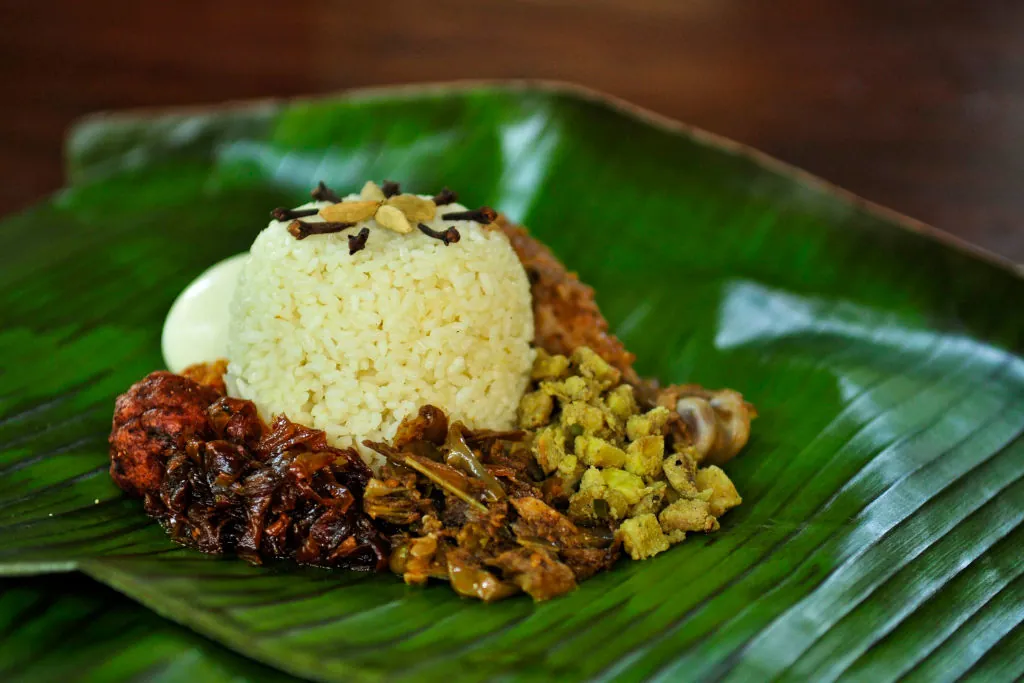
A legacy of Dutch colonial and Portuguese influence, Lamprais is a flavorful and popular dish. It consists of rice, meat (usually chicken, beef, or lamb), and a lot of different add ons such as eggplant, plantains, and sambol, all wrapped in banana leaves and baked. The banana leaf doubles as a plate and each element is designed to be consumed with the other.
Families often enjoy this dish on Sundays, considering it a cherished day for special gatherings and shared moments. Despite the time-consuming preparation of Lamprais, the weeklong investment of effort unfolds into a rewarding, flavorful and enjoyable Sunday with family and friends.
6. Pol Sambol: Spicy side dish
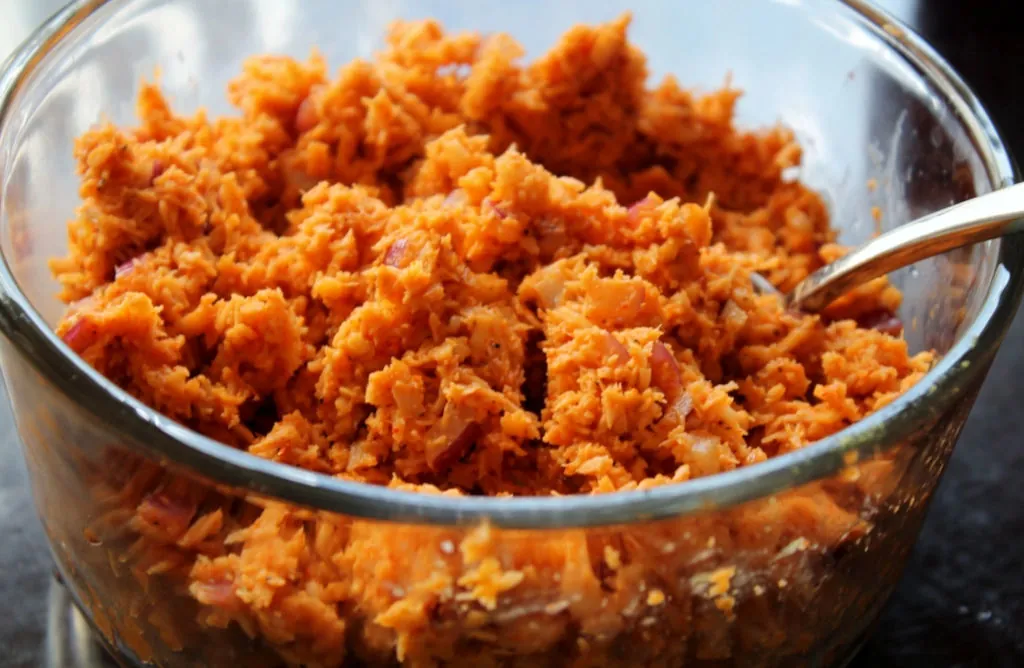
Refreshing, traditional and very simple, Pol Sambol is a side dish made with freshly grated coconut, dried red chillies, onions, green chillies, a bit of salt and lime for the taste. This brings a spicy and tangy kick to the table and pairs well with rice and curry or roti. Just like all Sri Lankan families have their version of curry, there are a lot of variations on this side dish.
7. Pol Roti: පොල් රොටි
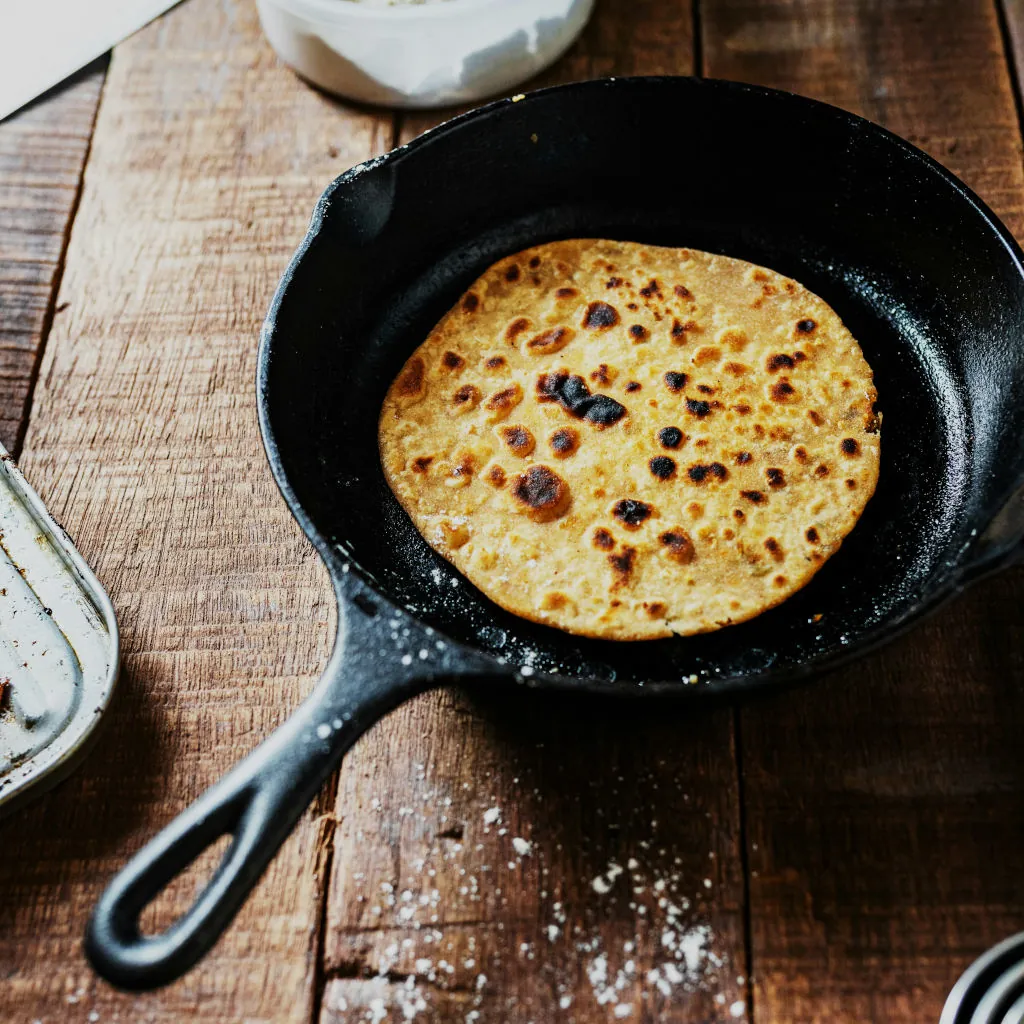
Pol Roti, in Sinhalese translates to coconut roti, or coconut flatbread is a very popular type of flatbread made in Sri Lanka. You can eat it for breakfast, lunch, dinner or even as a snack throughout the day. Pol Roti is made with grated coconut, flour, and a touch of water.
This flatbread is pan-fried, resulting in a deliciously crispy and soft dish. They are also served with a spicy curry or spread and sometimes sandwiched between two roti. A perfect breakfast on the go!
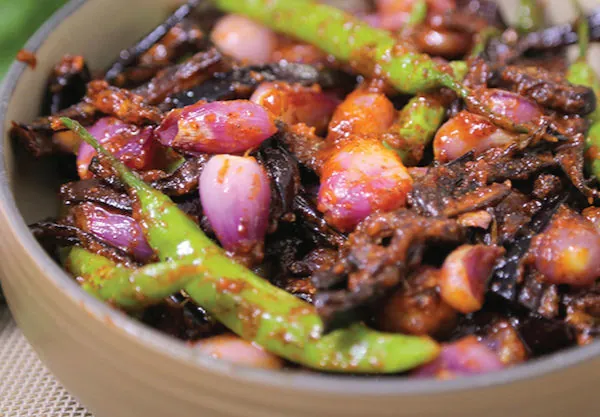
8. Wambatu Moju: Crispy goodness
Elevating the eggplant to new heights, Wambatu Moju is a sweet and sour pickle made with eggplants, caramelised onions, chilli, and spices. The eggplants are deep-fried, offering a nice and crispy texture. Ralahami Roasted Curry Powder and Turmeric are used for the unique taste, creating a great side dish that adds depth to any Sri Lankan meal. Combine this dish with plain rice, fried rice and chicken or vegetarian curry.
9. Kiribath: Celebration in your mouth
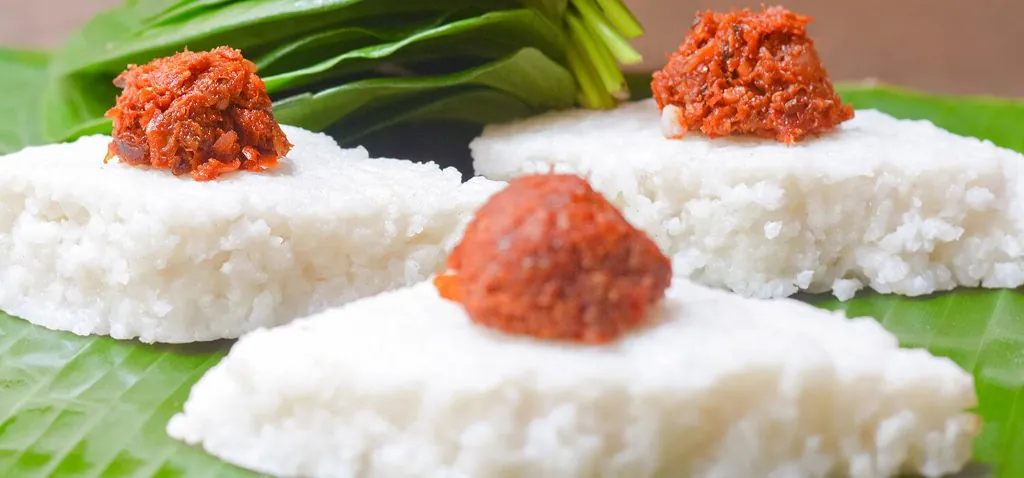
A festive treat enjoyed during all special occasions and celebrations including Sri Lankan New Year, which is celebrated in April, birthdays, weddings and Buddhist rituals. Kiribath is a creamy dish made by cooking rice with coconut milk. This gives it a creamy taste and it is often shaped into squares and served with a sprinkling of local chilli paste and/or a curry.
Kiribath is a symbol of prosperity and celebration, traditionally it is also eaten by families on the first day of each month.
10. Watalappam: For the sweet tooths
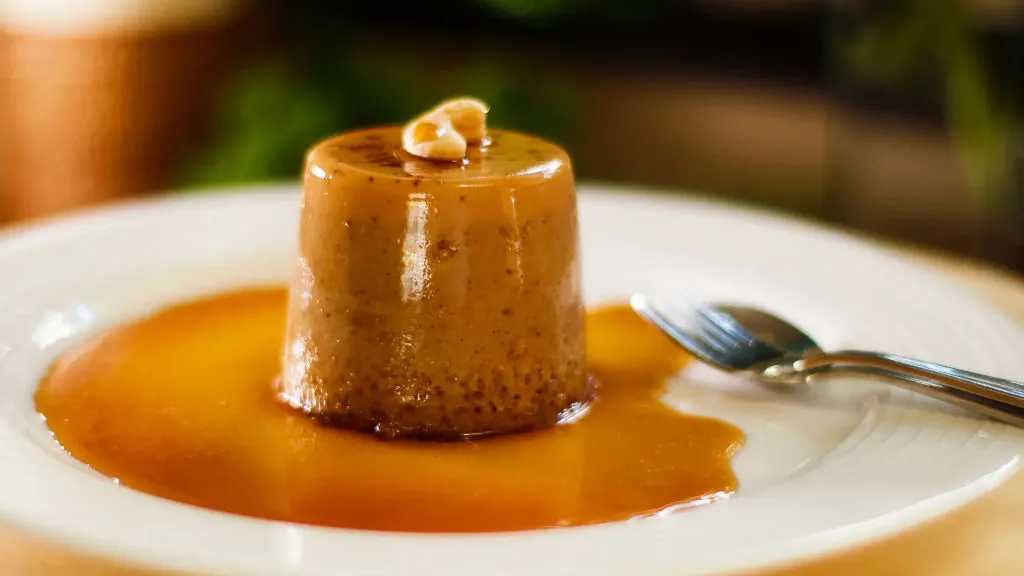
Indulge your sweet tooth with Watalappam, a rich and velvety dessert with Indonesian and Malaysian influences. Made with jaggery, coconut milk, cashews, and spices like cardamom and nutmeg, Watalappam is a delightful custard that reflects the cultural diversity embedded in Sri Lankan cuisine.
Taste Sri Lanka at Kima!
So, if you're heading to Kima in Sri Lanka, get ready for more than just great surfing and social activities – our delicious food is another highlight. Our menus at Weligama and Hiriketiya showcase diverse dishes influenced by traditional Sri Lankan kitchen. Immerse yourself in the delectable flavours of our freshly prepared meals, a culinary journey inspired by the island's rich history.
After catching those waves around Sri Lanka, the hunger kicks in. Get ready for a culinary adventure and try our must-haves like the flavorful Pol Roti, different Curries, the Devil's Chicken or Tofu Spicy, and the delightful Chickpea Delight.

Are you ready to surf Sri Lanka's best waves and explore the Sri Lankan kitchen? Book your stay now, and let your taste buds ride the wave of Sri Lankan goodness!
BOOK NOW