

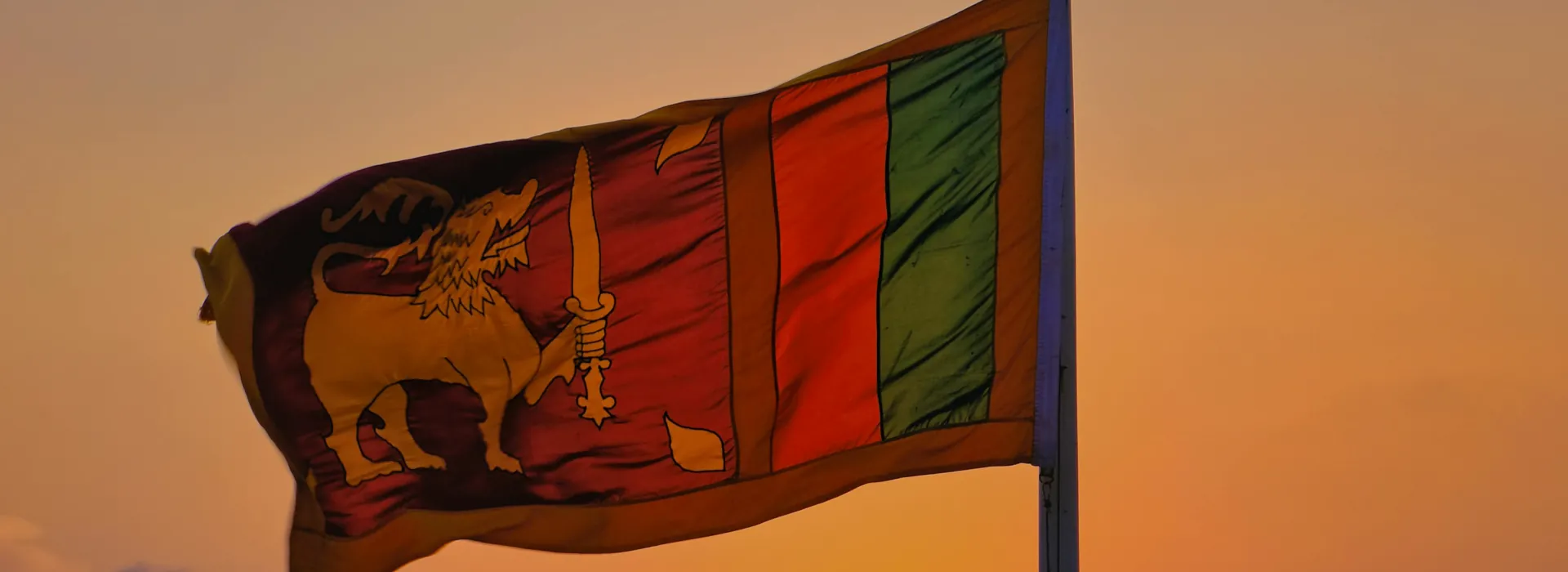
Sinhala & Tamil
Learn the basics of the Sri Lankan Language
Are you planning a surf trip to Sri Lanka soon? A country, known for its rich cultural heritage, traditions, diverse population, and perfect waves. Your journey becomes even more fulfilling when you connect with the locals, and what better way to do that than by learning and speaking their language?
Sinhala & Tamil
In Sri Lanka, they have two official languages. Sinhala, spoken by 75% of the population, dominates the southern, western, and central regions of the island. On the other hand, Tamil is spoken by 25% of Sri Lankans and is almost exclusively spoken in the northern and eastern parts. But, how do you decide which language to use?
If you find yourself in the Southern, Western, and Central Regions, embracing Sinhala will be your key to effective communication. This is also where you’ll find our Kima Surf camps, located in the breathtaking landscapes of Weligama and Hirikiteya. The majority of the population here speaks Sinhala, so Sinhala is the language to speak!
In contrast, when venturing into the northern and eastern parts of Sri Lanka, where Tamil holds sway, using a few Tamil phrases will help you.
Additionally, you can spot the differences in the way people dress. In Sinhala culture, women wear sarees, while men choose kurtas with sarongs, combined with traditional handmade jewellery. The traditional dress of Tamil Women is a saree and the men wear a shirt and Veshti paired with Ann angavastram (a shawl draped over their shoulders). These different clothing styles show the unique vibe of both communities.
Luckily, English is widely spoken, making communication easy for travellers. However, the local people genuinely appreciate it when tourists make an effort to speak a few words of their native language! It will also provide more insight into the local customs, beliefs, and traditions. In this blog, we’ll cover the basics of Sinhalese since it’s the most common language in Sri Lanka. Don't worry if you're not fluent; a few basic phrases and your showing effort will help you go a long way in opening hearts and creating smiles on the locals.
The Basics
| English | Sinhalese |
| Hello! | Ayubovan! |
| Good morning | Suba udasenak wewa |
| Good day | Suba dinaya |
| Good afternoon | Subha sayakiranaya |
| Good night | Suba rathniak wewa |
| Goodbye | Ayubowan |
| Have a good day! | Sauba davasaka ! |
| Bye | Bayi |
| How are you? | Itin kohomada? |
| Welcome | Ayubowan |
| Very good, thanks! | Ita honda, stutiyi! |
| Thank you (very much) | (Bohoma) isthuthi |
| Please | Karunakarala |
| No worries | Mokadda nadda |
| I’m sorry | Mata kanagatuyi |
| Excuse me | Samaya |
| Yes | Ov |
| No / not | Naeta |
| I don’t understand | Mata novaetahe |
| Please can you repeat that? | Karunakara ayet kiyanna |
| How much is it? | Meeka Kiyadha |
| Monday, Tuesday, Wednesday, Thursday, Friday, Saturday, Sunday | Sandaudaa, angaharauvaadaa, badaadaa, barahasapatainadaa, sakurada, senasurada, iraidaa |
Getting to know someone
| English | Sinhalese |
| What's your name? | Nama mokakda? |
| My name is… | Mage nama… |
| Where are you from? | Oba paeminiye kohe sitada? |
| I am from… | Ma paeminiye |
| How old are you? | Kiyanna kohomada? |
| I’m … years old | Mama … kohomada |
| Do you speak English? | Ingirisi dannevada? |
Talking about Food and Restaurants
| English | Sinhalese |
| I want to eat/ drink | Mata bada geniyanna / Kanda geniyanna ... |
| I am hungry | Mata badaginiyi |
| Can I have the bill? | Mokadda bill ekak denna? |
| I am vegetarian/ vegan | Mama shakahari / vishe shakahari |
| I am really hungry / thirsty | Mama deka bada geniyanna / Kanda geniyanna |
| One small beer / big beer please | Eka desha / deka desha biri denawada? |
| The food tastes very good | Ahara denne nehe |
| I don’t like it | Mama eka dunna nehe |
| Enjoy your meal! | Oyaagae ahaara vaela rasavaindainana |
| Delicious food | Pranita ahara |
| Not tasty | Nathnam |
| Breakfast | Udagamanaya |
| Lunch | Dawal sahayak |
| Dinner | Raat sahayak |
| Water | Jalaya |
| Tea / coffee | Te-eh / Koh-pi |
| Rice | Bath |
| Fish | Maalu |
| Egg | bithara |
| Chicken | Kukul mas |
| Beef | Maas |
| Pork | Panduru |
| Vegetables | Kerakaru |
Directions and Transport
| English | Sinhalese |
| Left / right | Wama/ dahaya |
| Straight | Thamai |
| Where are you going? | Oyagei kemathi? |
| I would like to go to | Mama ... yanawa |
| Turn left/ right | Wama/ Dahaya gena |
| Traffic jam | Magula |
| Where? | Kohedha? |
| Here | Magei |
| I would like to rent | Mama ... kirimata yanna |
| Boat | Oruwa |
| Plane | Vimaanaya |
| Taxi | Taxi |
| bus | Bass |
| Car | Motar gadiya |
| Motorbike | Motor gadiya |
| Do you know where ... is? | .. kohedha wagey? |
Numbers in Sinhalese
| English | Sinhalese |
| 1 | Eka |
| 2 | Deka |
| 3 | Tuna |
| 4 | Hatara |
| 5 | Paha |
| 6 | Haya |
| 7 | Hata |
| 8 | Ata |
| 9 | Namaya |
| 10 | Daaha |
With some of this Sinhalese basic phrases your holidays in Sri Lanka will be an extra great experience! Start learning on your flight to Sri Lanka and experience that the waves are not the only things that welcome you with open arms. The locals will most likely applaud you for trying to learn their language and it will open hearts, doors and smiles when travelling.
Book Now