

Public Holidays In Sri Lanka
Surf And Celebrate
We all know Sri Lanka is a surfing paradise, an island with hidden gems and a must visit for any surf enthusiast and adventure seeker. With its interesting history and heritage, Sri Lanka has different public holidays.To make the most of your surf trip, it's helpful to understand the country's public holidays.
Some holidays, like Full Moon Poya days (which happen every month) are religious rituals. During these times, you might notice some changes in local customs and business hours, and the sale of alcoholic beverages, meats, and fish is prohibited. By understanding these different public holidays, you can plan your surf trip wisely when the cultural events happen and make your trip an even more unforgettable experience!
January 1st - New Years Day
While most of the world celebrates New Year's Day on January 1st, Sri Lanka follows a different calendar, the lunar one . This means that the official New Year's Day in Sri Lanka is usually in April (more on this later in the blog).
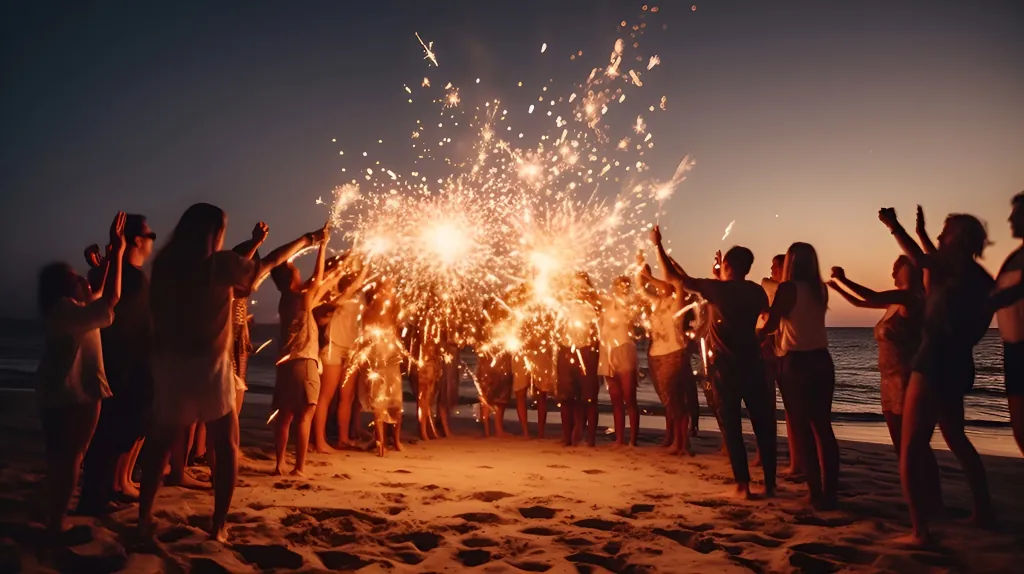
Even though the official New Year's Day is in April, Sri Lankans still celebrate January 1st with their own unique traditions. You'll find people enjoying delicious traditional Sri Lankan dishes, watching fireworks, and celebrating with family and friends.
Thanks to Western influence, January 1st has also become a popular time for partying in Sri Lanka. Beach clubs, bars, and restaurants often offer special menus, live music, and other fun things to celebrate the new year. So, whether you're looking for a traditional Sri Lankan experience or a lively party atmosphere, you'll find plenty to enjoy on New Year's Day in Sri Lanka!
February 4th - Independence Day: A Double Celebration
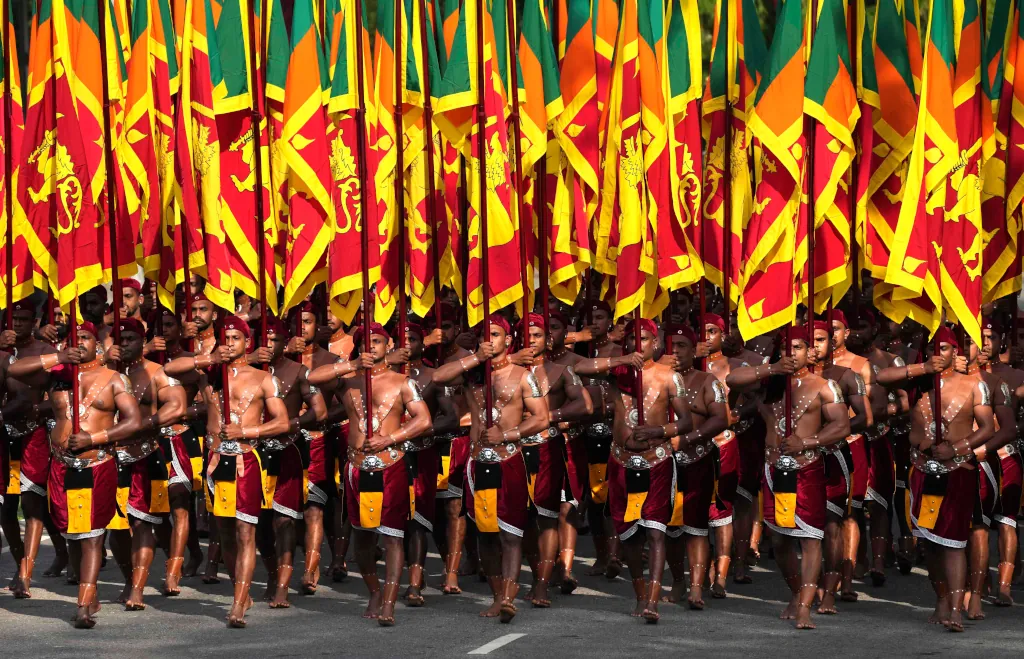
Independence day is for every country an important date, and for Sri Lanka it's not different. Sri Lanka celebrates its independence from British rule in 1948 twice a year. The first Independence Day is on February 4th, this day is filled with patriotic festivities, ceremonies, and national pride. You can expect parades, cultural performances, and a festive atmosphere throughout the whole country, while you are exploring.
April 14th - Sinhala & Tamil New Year
The Sinhala & Tamil New Year, also known as “Avurudu” in Sinhala and “Puththandu” in Tamil is a big celebration for the whole island. The festive atmosphere is there to mark the Lunar New Year. Amongst all festivals in Sri Lanka, the Sinhala & Tamil New Year is all the more festive because both Sinhala Buddhists and Tamil Hindus are celebrating this. It’s celebrated with great pomp and it marks the end of the harvest season and beginning of spring.
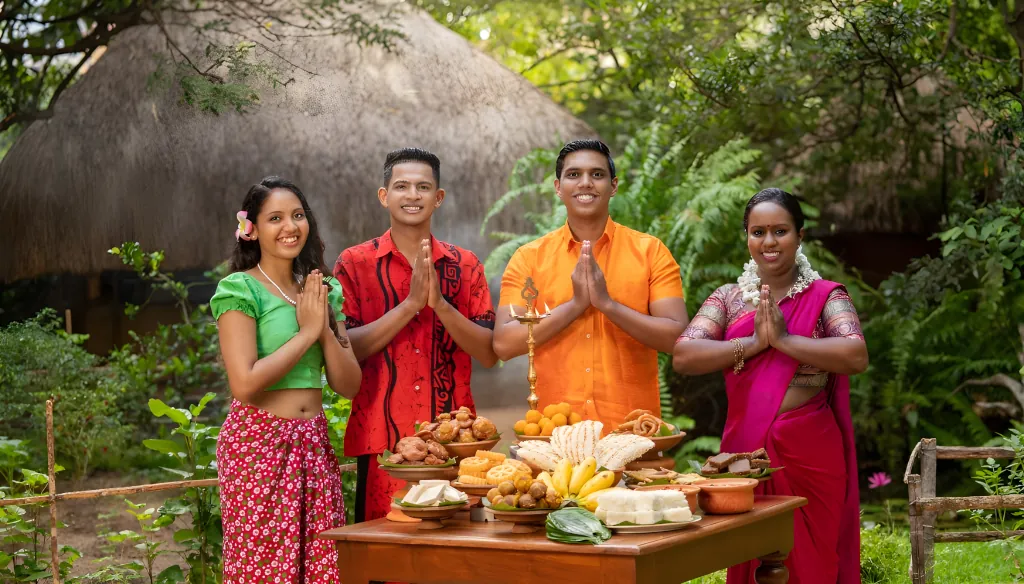
It's a time full of family gatherings, traditional rituals, and feasts with traditional Sri Lankan dishes. The celebrations also involve cleaning the house, smearing children with herbal oils, bursting firecrackers and organising a lot of different competitive games. While it's not a national holiday, you will definitely experience a festive atmosphere and some changes in local customs during this period!
May - Vesak
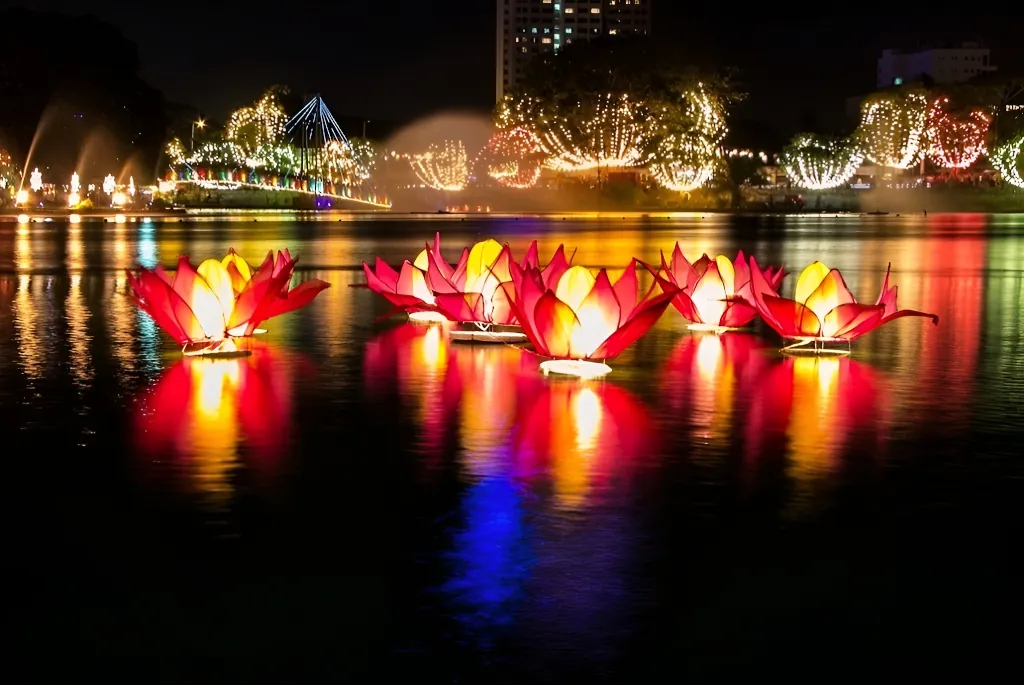
Vesak Poy is one of the most significant Buddhist festivals in Sri Lanka, commemorates three important milestones in the life of the Buddha: his birth, enlightenment, and nirvana. This begins on a full moon day of the month of Vesak (usually in May) and continues up to a week. They use magical lights of colourful lanterns called Vesak kudu, filling every home, town, shop and street with the light of Buddha. Instead of exchanging gifts, people focus on spiritual practices like visiting temples and meditating.
Beyond the festivities and ceremonies, Vesak Poya is a time for spiritual reflection and renewal. Buddhists use this occasion to contemplate the Buddha's teachings and to strive towards a more enlightened and compassionate way of living.
June - Poson festival
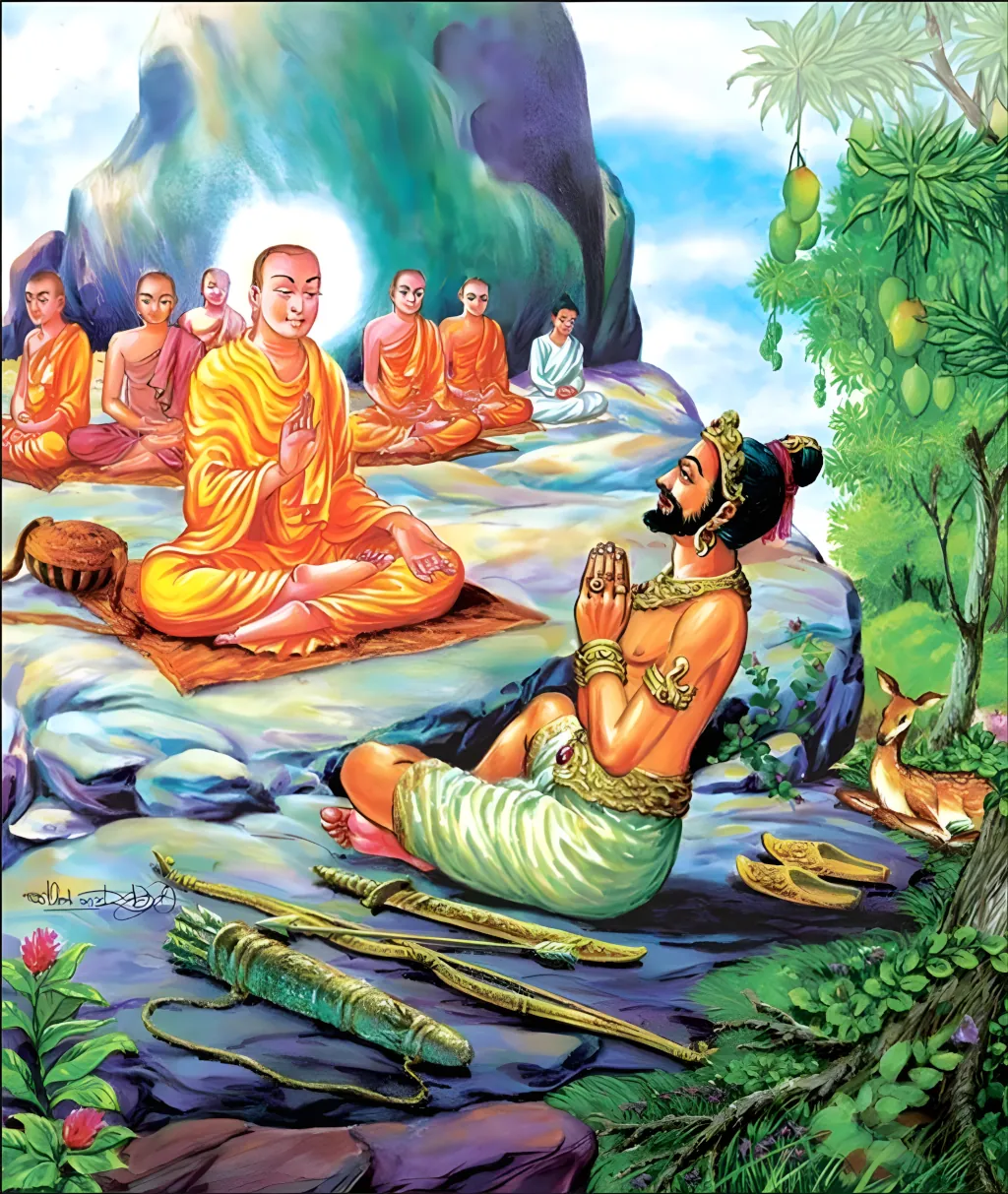
Poson is another significant day for the buddhists. It marks the day when Mahinda arrived in Sri Lanka and began preaching the Buddha's teachings. His arrival is considered a turning point in Sri Lankan history, as Buddhism has had a profound influence on the country's culture and traditions. Similar to the Vesak festival, Poson is celebrated with a lot of lanterns,colourful lights, ceremonies and festivities.
Other key activities and traditions are Poson pageants, temple decorations, prayers, a grand torchlight procession, and Poson Dansala, a temporary feeding centre where food and drinks are offered to the public free of charge. It is a way to practise generosity and compassion, two core Buddhist ethics.
Both Vesak & Poson are festivals you should attend when you’re in Sri Lanka during these months. It will give you a great insight into the country's rich cultural and spiritual heritage.
August - Kandy Esala Poya Perahera
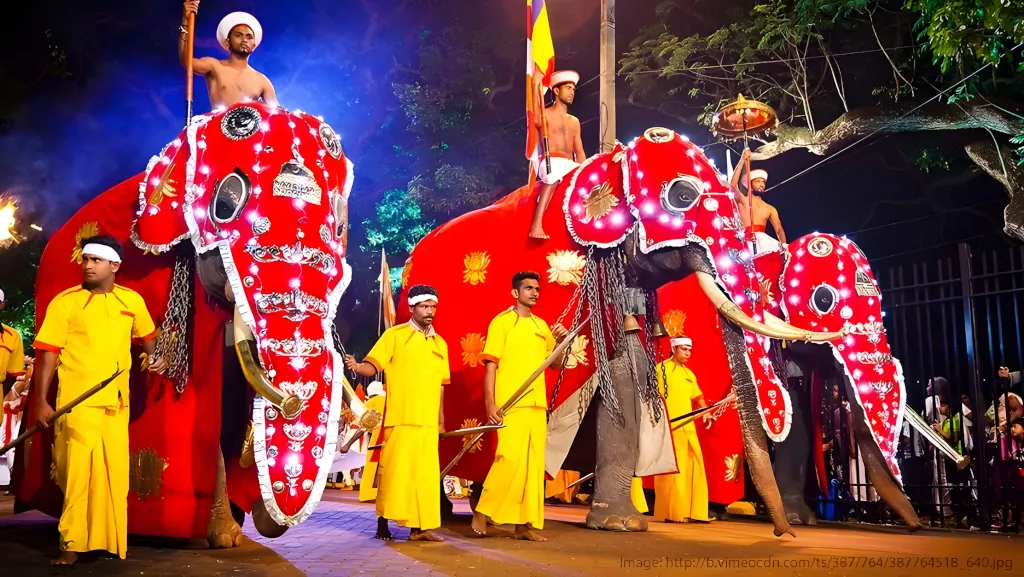
The “Kandy Esala Poya Perahera” is the biggest procession held each year in Kandy, Sri Lanka and it’s a popular tourist attraction. It's a celebration of Sri Lankan culture, combining elements of Buddhism, Hinduism, and local folklore. Traditional dancers, drummers, and elephants dressed up with decorations walk through the streets of the city every day for a week. The highlight is the sacred relic of the Buddha's Tooth (which is believed to be an actual piece of the Buddha's tooth), carried in a golden casket on top of an elephant.
The excitement, fervour and festivities on the last night must be seen to be believed. It is recommended to book a seat in advance through some local agencies to enjoy the spectacle in its full glory.
The Kandy Esala Poya Perahera is a unique and unforgettable experience, offering a glimpse into Sri Lanka's rich cultural heritage.
October or November - Deepavali
Deepavali, also known as Diwali, is a Hindu festival of lights celebrated by the Hindu community in Sri Lanka. It marks the victory of good over evil and it’s a time for joy, new beginnings, celebration, and being together with your family.
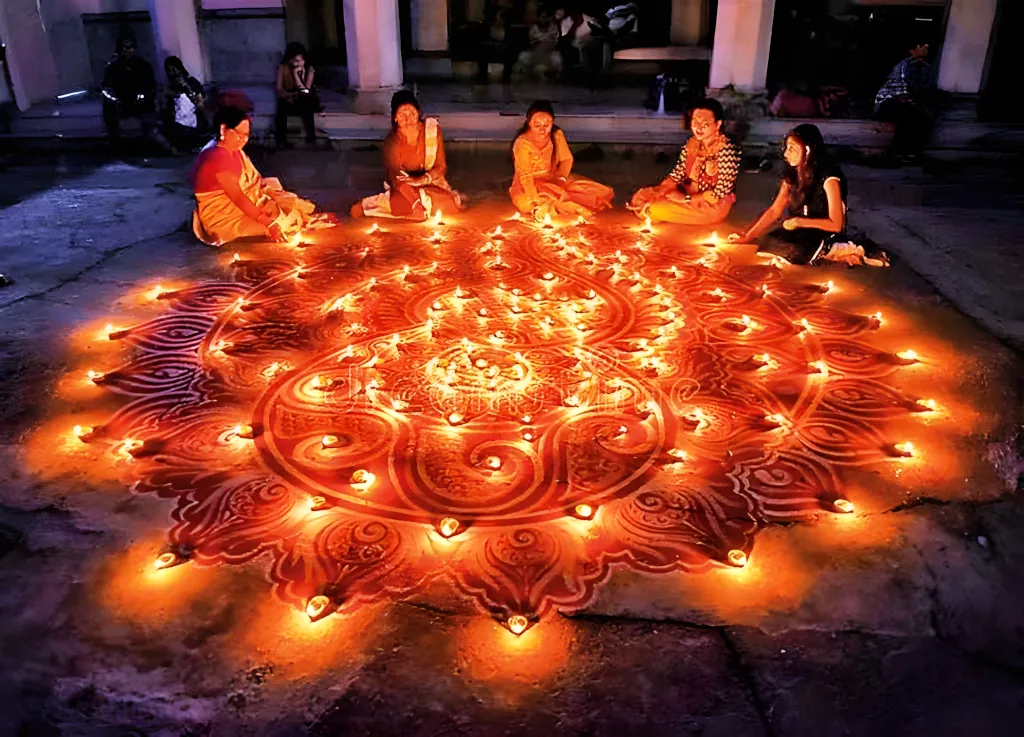
Traditional lamps, known as diyas, are lit to symbolise the victory of light over darkness. People wear new clothes, symbolising a fresh start, and families exchange gifts, food, and celebrate together. Deepavali is celebrated in October or November each year, depending on the Hindu lunar calendar. The celebrations can last for about five days and most schools and businesses are closed.
December - Christmas Day
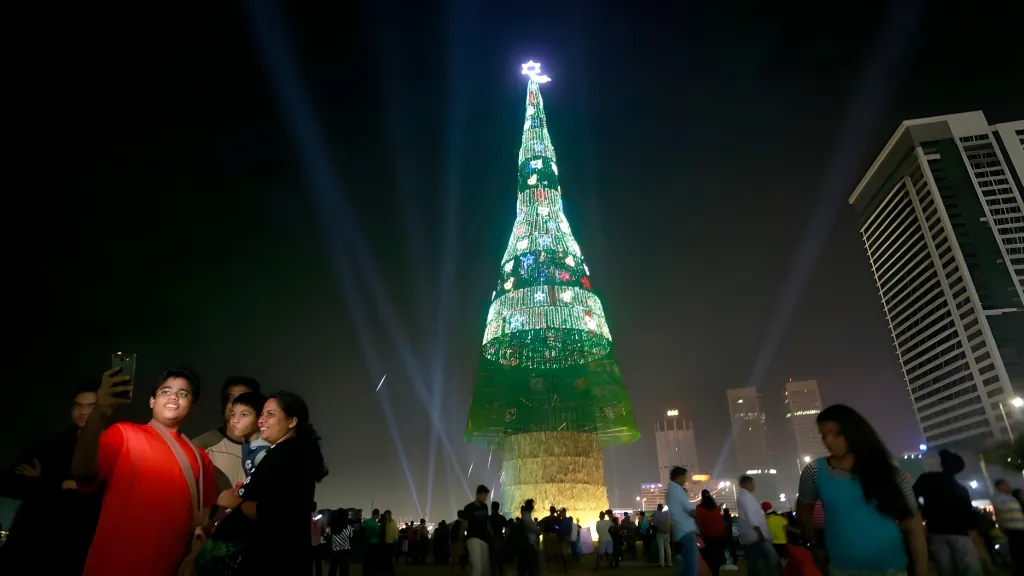
While Sri Lanka is predominantly Buddhist, the country celebrates Christmas with huge enthusiasm and is still celebrated as a public holiday. You can find the Christmas spirit of Christmas in the decorations, music, and gatherings that take place over the island. The season officially starts on December 1st, when people wake up to the sound of firecrackers going off at dawn. The streets are decorated with lights and ornaments, and malls usually have large Christmas trees. People will be walking around in new Christmas outfits, ready to celebrate with friends and family!
If you love Christmas markets, you'll be happy to know that Sri Lanka has plenty to offer. The Galle Face Green Fair and Colombo Christmas Market are two popular options where you can shop until your heart's content. When you’re visiting our surf camp in Weligama or Hiriketiya, make sure you’re not missing out on Christmas at Kima!
So while you're enjoying Sri Lanka's surfing scene, don't miss the opportunity to experience the country's vibrant culture and traditions. Whether it's celebrating a religious festival, enjoying a traditional meal, or exploring the local markets, there's always something exciting happening!
Book your stay at Kima Surf in Weligama or Hiriketiya and enjoy the island's unique combination of surf, culture, and adventure.
Book Now