

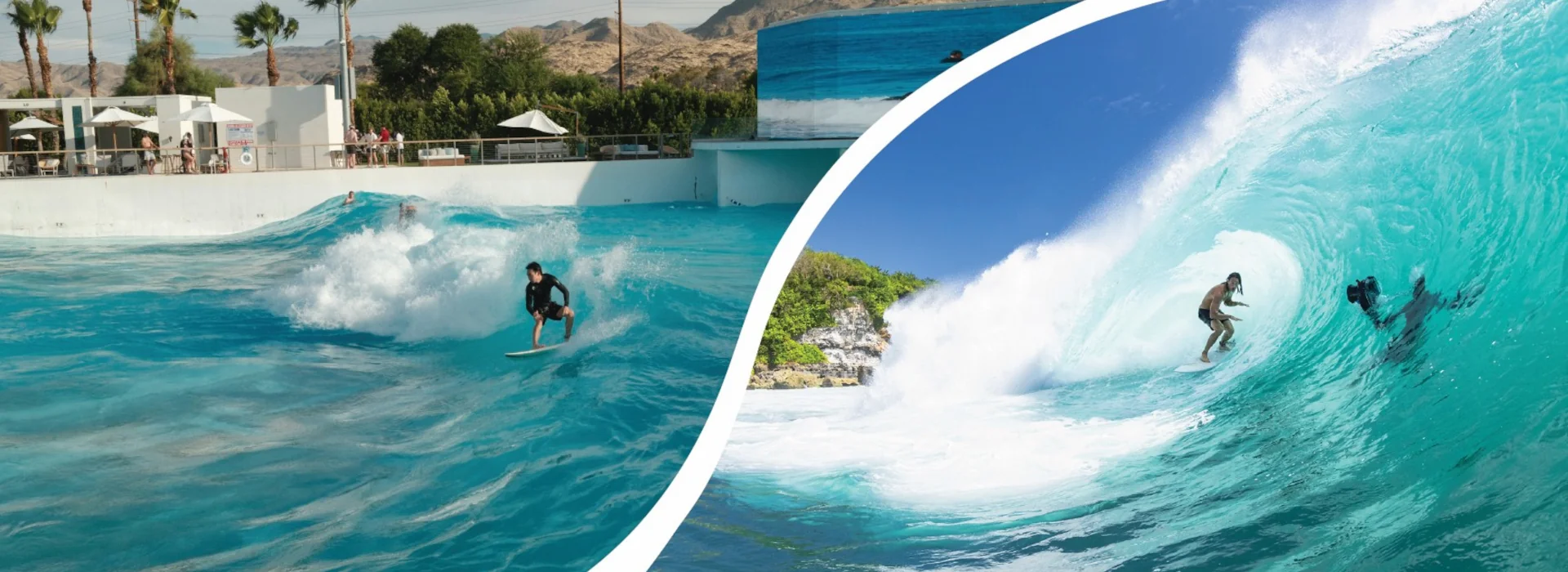
Wave Pools Vs Ocean Surfing
Is It Better to Learn in a Wave Pool or the Ocean?
Wave pools have recently started to make waves of their own in the surfing world, they are popping up around the world and making headlines every day! Wave pools mean people are finding perfectly peeling rights in the middle of the desert, perfect learning waves in the middle of the city and it is changing the way people are experiencing surfing across the world.
Wave pools are opening their doors to complete beginners, offering the chance to learn to surf without worrying about changing tides, unpredictable swells or getting caught in a crowded lineup.
But the question still remains… What is the best way to learn to surf?
A wave pool gives you repeatable waves to practise your pop-up and stance. Surf sessions in the ocean teach you how to choose a wave, position yourself and adapt when conditions change.
At Kima Surf, we're all about getting out there, getting salty and learning through experience.
So, let's take a look at both sides.
Wave Pools
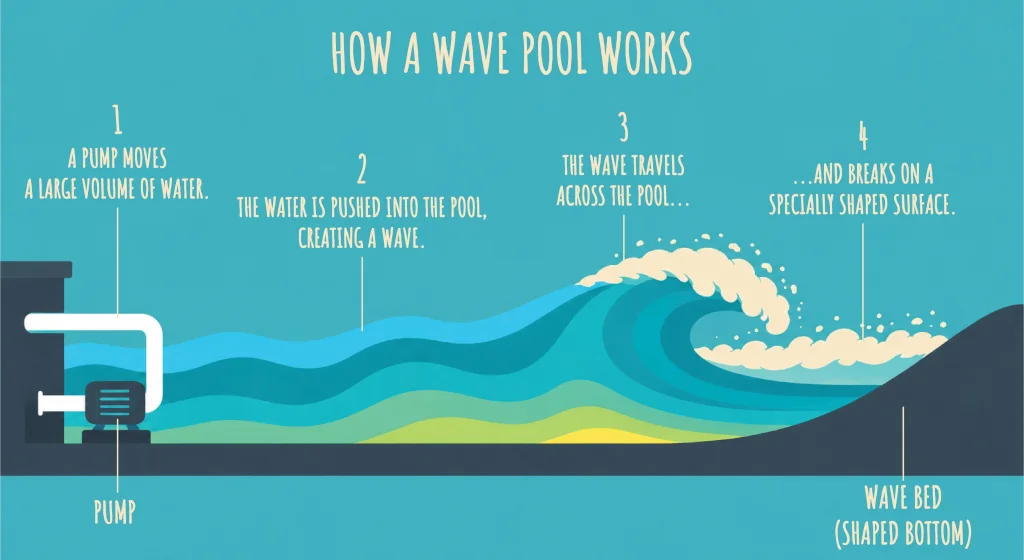
How do they work?
Wave pools use mechanical technology to generate waves in a controlled body of water. Now what does that mean? Well, waves are created when machinery pushes or moves large volumes of water to travel across a purpose-built pool, the waves reach a specially shaped surface which causes them to rise, curl and break (exactly as they do in the ocean).
The difference here? Everything can be CONTROLLED, operators adjust the size and shape of the waves to suit different levels of surfers, creating gentle rollers for those learning to surf, or a barrel for an advanced surfer practicing their tube riding.
Where do you find wave pools?
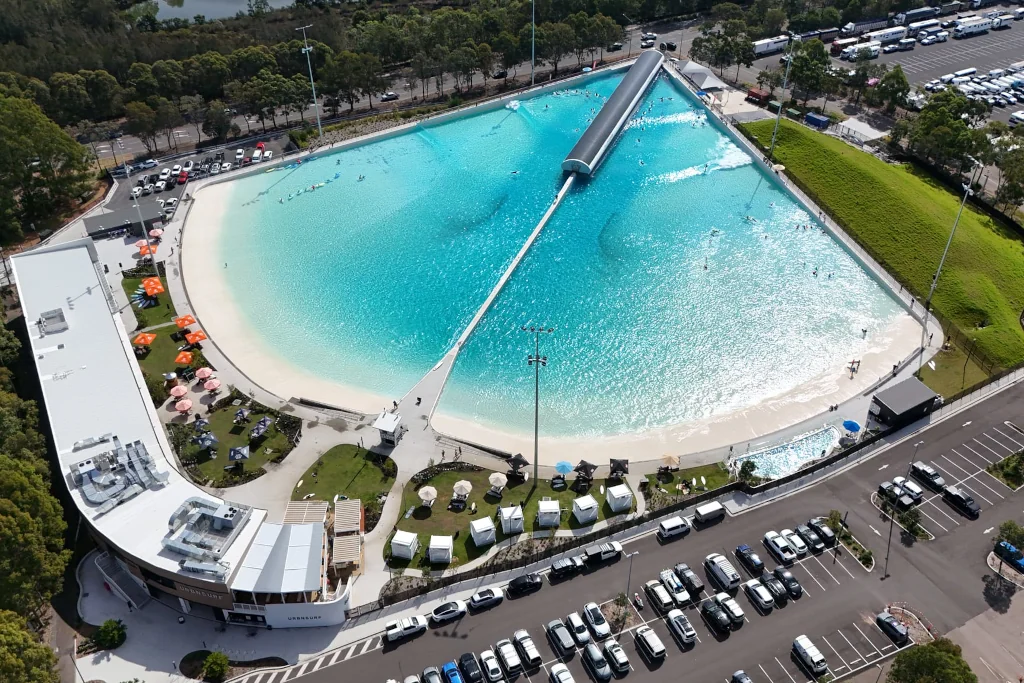
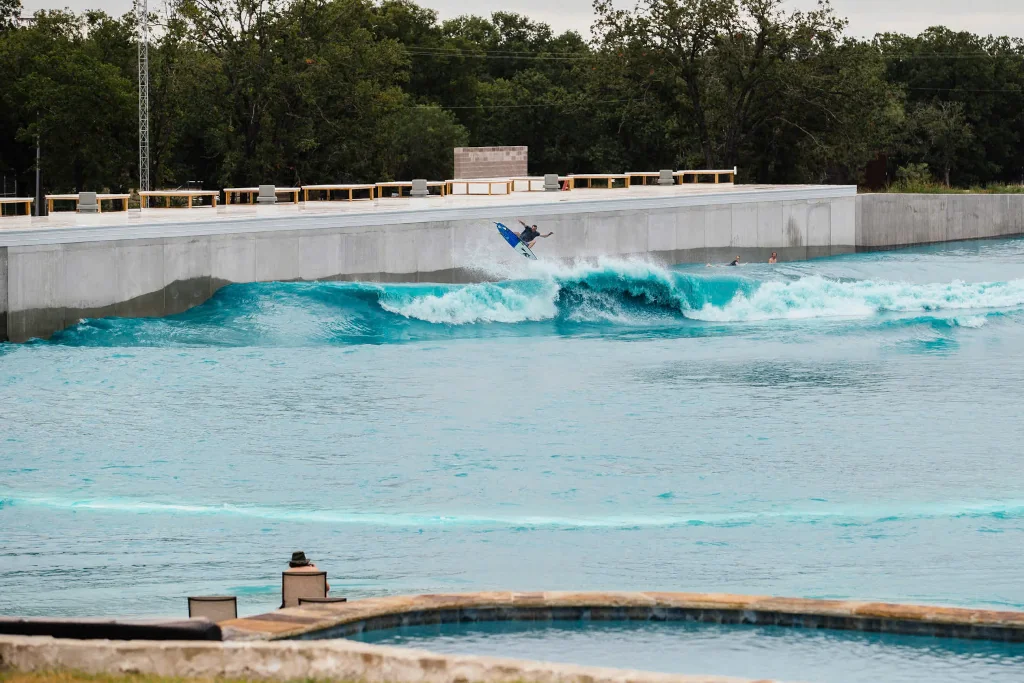
Wave pools are popping up all over the world, making it easier than ever for surfers to get their fix, even in land-locked cities! You can find wave pools in some unexpected places:
- The Wave, Bristol, UK: One of the UK's first inland surf destinations, offering waves for complete beginners through to experienced surfers.
- URBNSURF, Australia: With locations in Melbourne and Sydney, bringing artificial waves right into the city.
- Waco Surf, Texas, USA: Famous for its high-performance waves and popular with professional surfers.
- Alaïa Bay, Switzerland: A surf lagoon with an incredible backdrop of the Swiss Alps.
- Surf Abu Dhabi, UAE: Featuring Kelly Slater Wave Company technology and some seriously impressive waves.
- Lost Shore, Scotland: One of Europe's largest inland surf destinations, bringing surfing to Edinburgh.
The list is continuing to grow and wave pools are making their mark in the surfing world, surf Abu Dhabi has hosted a World Surf League (WSL) Championship Tour event, giving the world's best surfers the chance to compete on perfectly consistent waves.
Love them or hate them, artificial waves are here to stay!
Pros and cons
So if they are here to stay, it might be worth using them to your advantage. Here are some pros and cons of learning to surf in a wave pool.
| Pros | Cons |
|---|---|
| Consistent waves: Waves that are perfectly the same can be more predictable, making popping up and riding the wave easier. | Limited ocean knowledge: You won't learn to read changing swells, tides, currents or surf conditions in the same way. |
| More wave time: Regular and consistent waves mean more time actually surfing, which means more improvement. | Less variety: Predictable conditions don't always prepare you for the different waves you'll encounter in the ocean. |
| Beginner-friendly: Controlled conditions and dedicated beginner sessions can help build confidence and guarantee the environment is forgiving. | Can be expensive: Sessions usually require advance bookings and come at a cost. |
| Convenient: No need to wait for the right swell or check the surf forecast, you can go whenever it fits into your schedule. | A different experience: There's no changing tide, salty beach atmosphere or feeling of catching a natural wave. |
Wave pools are great for learning the fundamentals like the pop up and surf stance, and just for simply getting comfortable on a board! Just remember that surfing is a lot more than just standing up and riding a wave!
Learning to Surf in the Ocean
The ocean is the real deal. Surfing is about learning to read the ocean, understand how the waves form and break, where you should be positioned to catch the wave, judge your timing, and adapt to different conditions. That is what makes the sport so challenging, yet so fun and rewarding!
Every beach, every swell and tide brings something different and that is what makes it so great!
These are the skills that turn a person from someone who can simply ride a wave to someone who can surf.
| Pros | Cons |
|---|---|
| Learn to read the waves: Understand how waves form, where they break and which ones to paddle for. | Unpredictable conditions: Not every day offers suitable waves for beginners. |
| Build real ocean skills: Learn about tides, currents, positioning, paddling and surf etiquette. | Progress takes patience: You might spend more time paddling and positioning than actually catching waves. |
| Become adaptable: Every wave is different, helping you develop the skills to surf different beaches and conditions. | Crowded lineups: Sharing waves with experienced surfers can feel intimidating when you're starting out. |
| The full surfing experience: There's nothing quite like catching a natural wave, surrounded by the ocean, fresh air and salty water. | More to navigate: Understanding ocean safety and your surroundings is essential. |
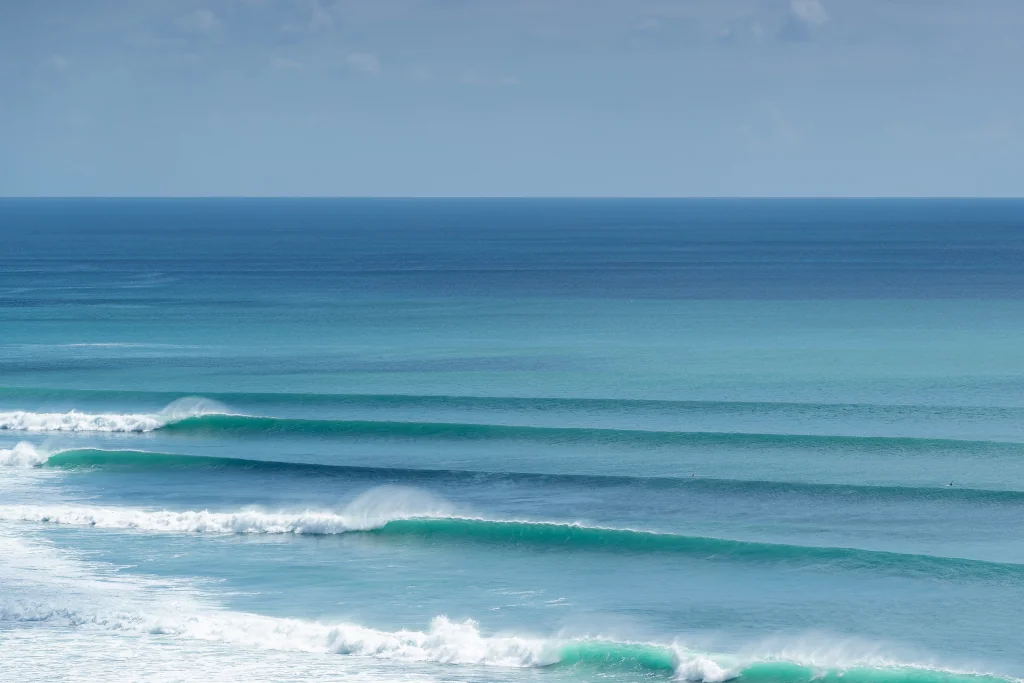
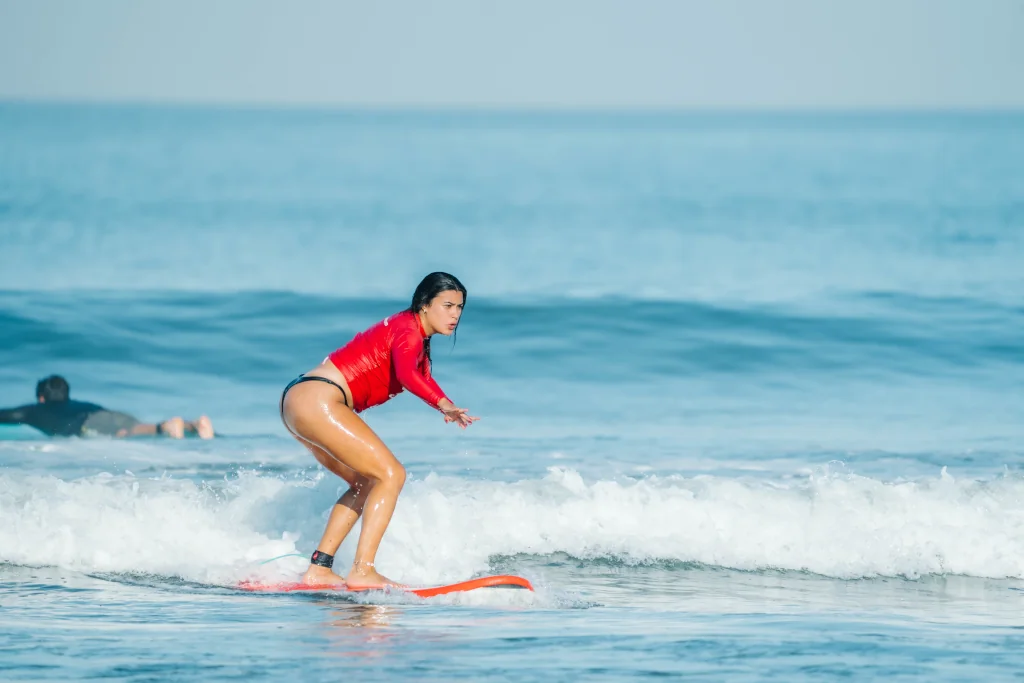
In summary, wave pools help you practice riding waves and the ocean teaches you the skills you need to be a true surfer. Both wave pools and the ocean can serve a purpose when you start your surfing journey. But one thing should be clear, you can learn to surf without ever using a wave pool but the opposite is not true, just surfing a wave pool will never help you learn the true skills of a surfer.
Our vote? Start in the ocean. Learn to work with the waves, get comfortable in the water and experience the real thing. You can always give a wave pool a go later!
If you don’t know where to start, Kima has the solution with our Surf School. Across five days, you'll take part in six surf lessons with experienced instructors who'll guide you through everything from ocean safety and paddling to catching waves and mastering your pop-up. All the equipment you need during your lessons is included, so you can focus on getting out there and having fun.
You'll learn in real ocean conditions, build confidence with every session and get a taste of what surfing is all about.
EXPLORE KIMA’S SURF SCHOOL