

The Surf Etiquette
Main Rules of Surfing
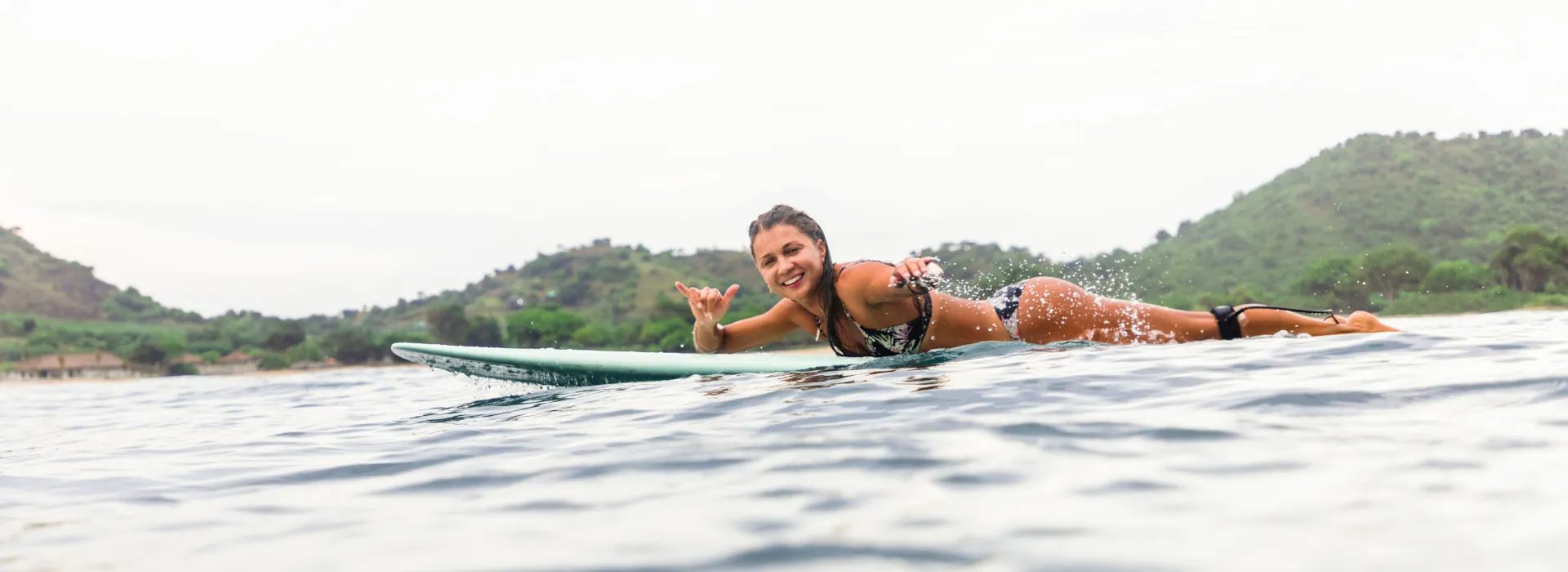
Surfing is by far our favourite sport and we are happy to see it’s gaining more and more popularity. With this happening the number of people making their place in the ocean increased a lot. In recent times, numerous surf spots that were once devoid of people now experience bustling crowds, particularly during peak seasons. That is the reason why surfing etiquette exists. Some main unwritten rules and do’s and don’ts everyone should know and follow while being in the water. These rules apply to all line-ups in the world and are meant to avoid accidents, injuries, and misunderstandings, so we all can enjoy our time in the water to the fullest.
Let us introduce you the surf etiquette:
Don’t Drop In
Rule No. 1, that should always be followed without any exceptions: don’t drop in! What does that mean? The surfer who is on the inside or closest to the breaking part of the wave (= the peak) has the priority to surf the wave. The surfer who takes off in front of the surfer who has the priority is “dropping in”. Drop Ins should be always avoided, it’s dangerous because it can cause a collision between both surfers and it’s also seen as disrespectful action which many times causes aggressive behaviour from the surfer who got dropped. Try to relax, take a deep breath and wait for your turn.
Dropping in can always happen by accident. Follow these 3 tips to reduce the risk to drop in accidentally:
Always look to the peak as you paddle for a wave to make sure nobody else is paddling for that wave, too.
Listen to other surfers. They may see that you are about to drop in to someone and will try to make you aware of it.
Do you realize you’ve dropped on someone? It’s never too late. Try to get off the wave and just go over the shoulder and off back the wave.
Don’t Snake
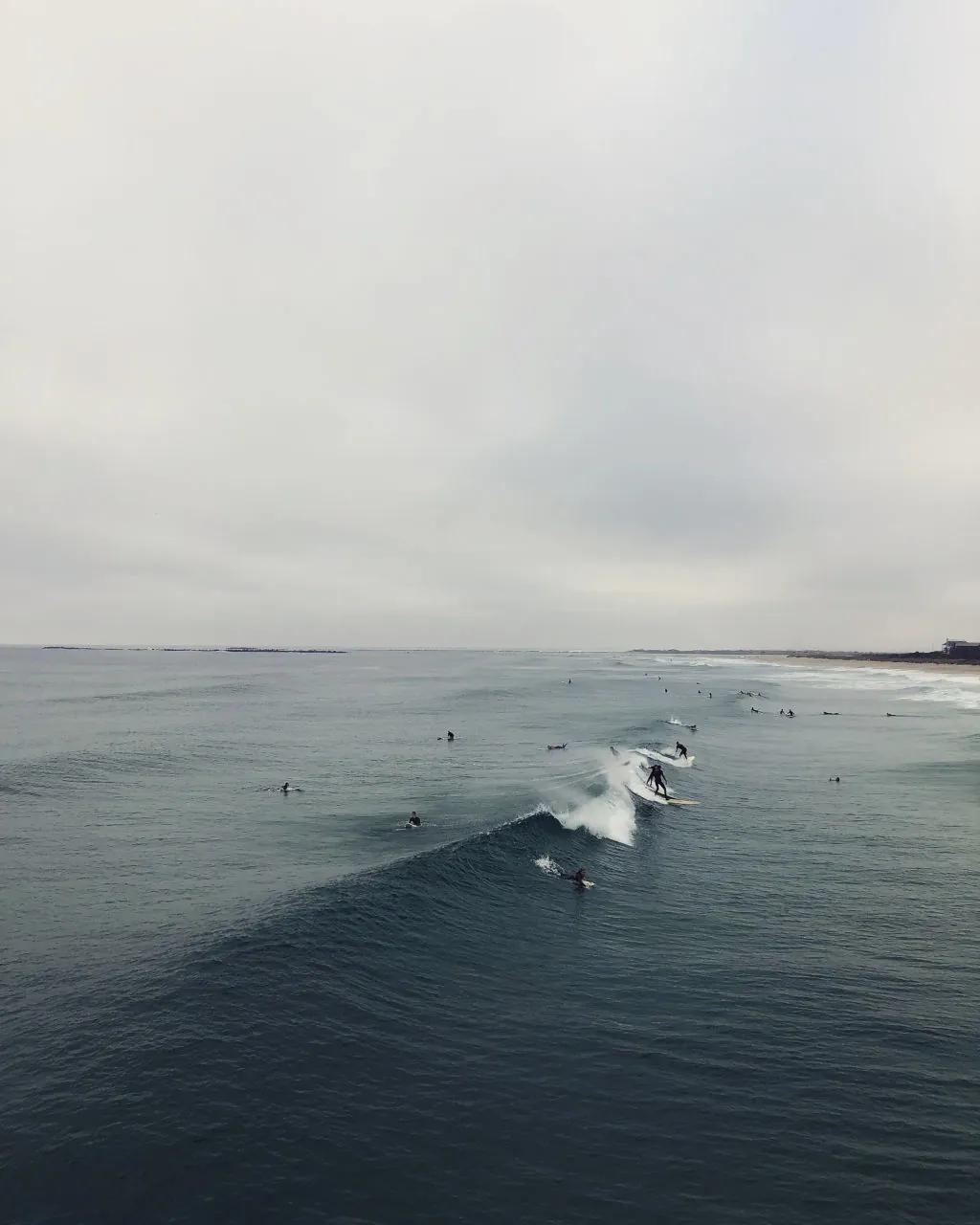
A disrespectful behaviour that can, unfortunately, be seen pretty often is “snaking”. Snaking means when a surfer paddles to the inside or around the surfer who is taking off with priority and catches the wave. Snaking normally doesn’t happen by accident since it requires good paddling skills, sighting and timing. The surfer exactly knows what she or he is doing. Therefore snaking is even more rude conduct and offensive than dropping in and should be avoided because it will just create tension in the line-up.
Choose the right spot to surf
Choose the right spot to surf accordingly to your level of surfing. By putting yourself in conditions that are beyond your level you might not only get into a dangerous or uncomfortable situation, but also the other surfers around you. Take your time and progress slowly, don’t rush into surfing conditions or surf spots because you simply wanna “challenge” yourself or be with the best surfers around.
If you are not sure about your level or if the break you want to surf matches your surf skills, ask an experienced friend or go with a surf guide. At Kima, we have created a custom-built six-star session planner to help you choose the perfect spot for you. All our sessions are separated into six different levels based on necessary skills and the conditions and hazards of the spot. Our surf guides are readily available to suggest the ideal surf spot for your next session.
Hold onto your Surfboard
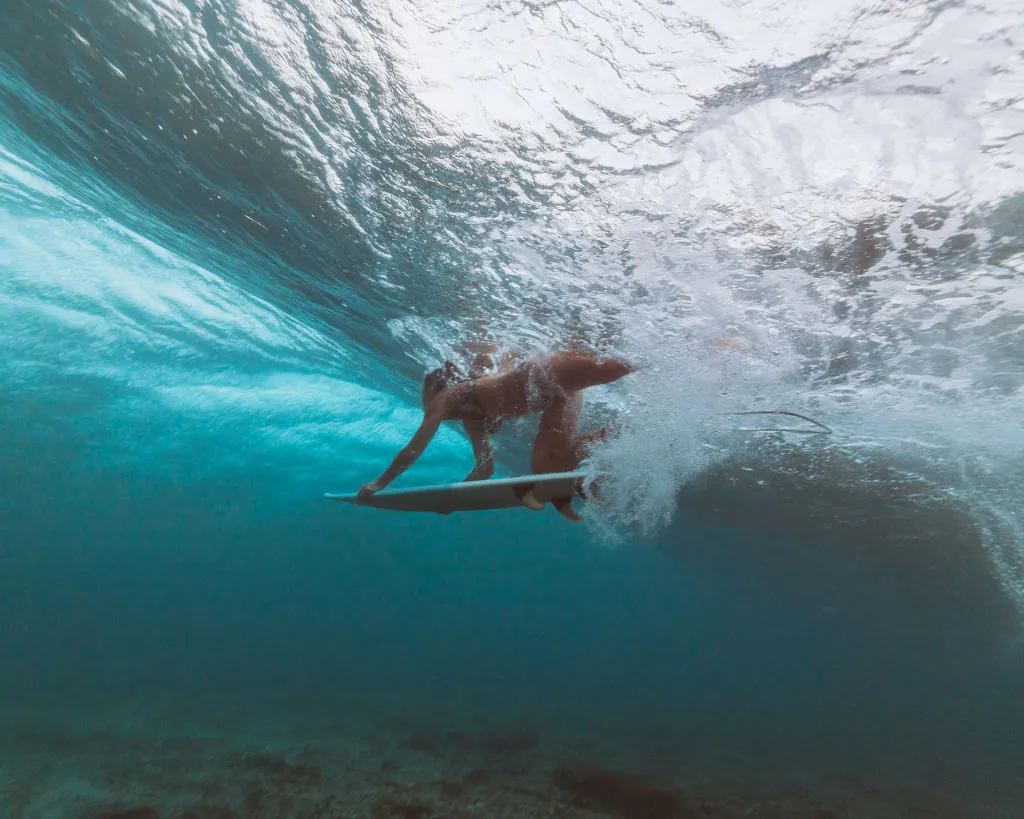
There are nicer things than getting hit by a flying board. Even though it can be tempting sometimes to throw your board away and just dive underneath the waves when caught by a set of waves on the inside, never throw your board! It can badly injure other surfers around you. But what do instead? When a wall of white water comes to you, do a turtle roll or a duck dive. During our pool sessions, which are included in your Kima package, you can practice both and will get some tips from our surf guides.
If you are a beginner surfer and take part in our Learn-to-Surf Program, we’ll also show you how to do a turtle roll and protect yourself and others in the water.
Communication is the key
Communication is the key and that also belongs to surfing. When paddling into the same wave, especially if it's an a-frame kind of wave where the wave opens to both sides, simply communicate and clarify who’s going left and who’s going right.
Don't Get in the Way
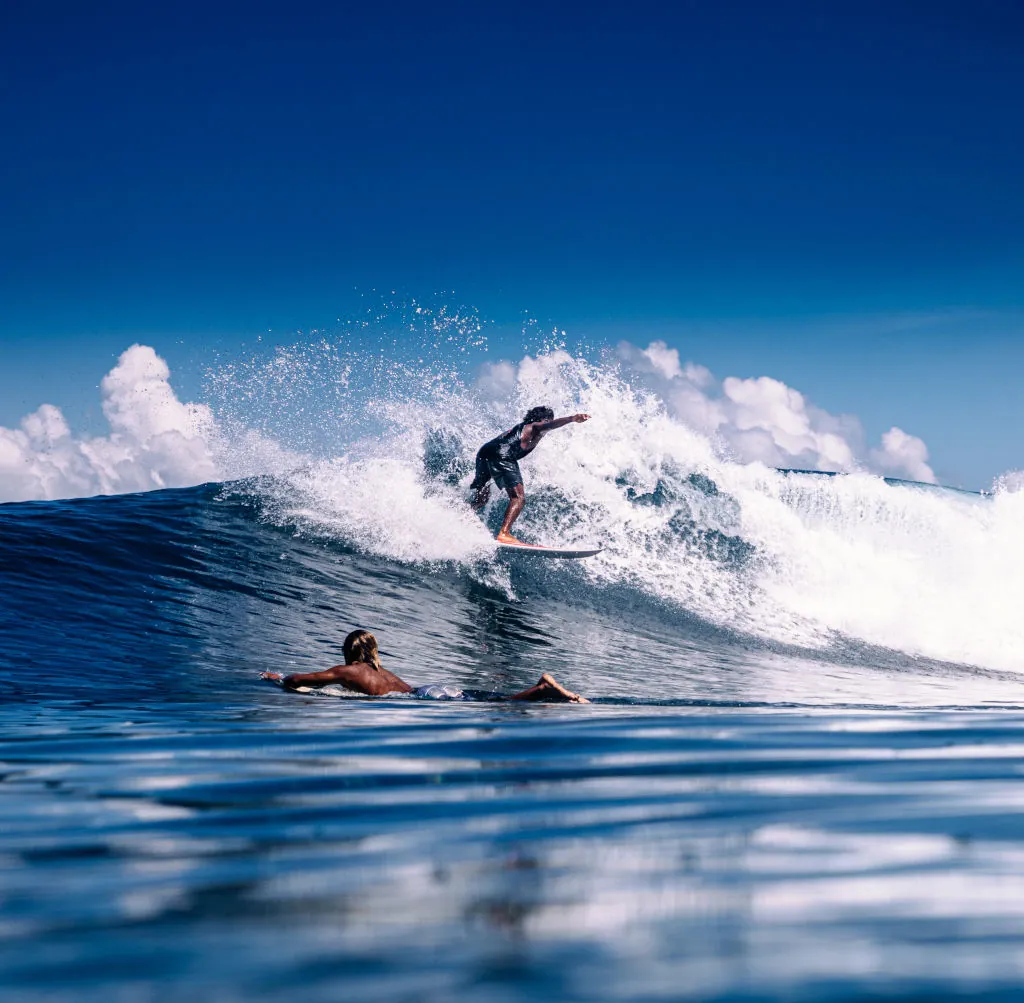
As you paddle out, after riding a wave or having a wipeout, always do your best not to get in the way of other surfers. Always paddle around the break through the so-called channel to go back to the line-up. Avoid paddling in the “impact zone”, where most waves are crashing and the surfers are riding. By doing this you will put yourself in a safe paddling zone and avoid being smashed by waves or collision with other surfers.
Say Sorry
Mistakes can happen to all and if you do something “against the rules” just apologies and for sure everything will be fine! If you ever find yourself in a situation where you know that you messed up, you can always say sorry to calm things down. Most of the time experienced surfers will tell you if you did something wrong, for example dropping in their wave. Most of them will assure you that everything is fine, unless you repeat the same mistake.
Respect the Locals
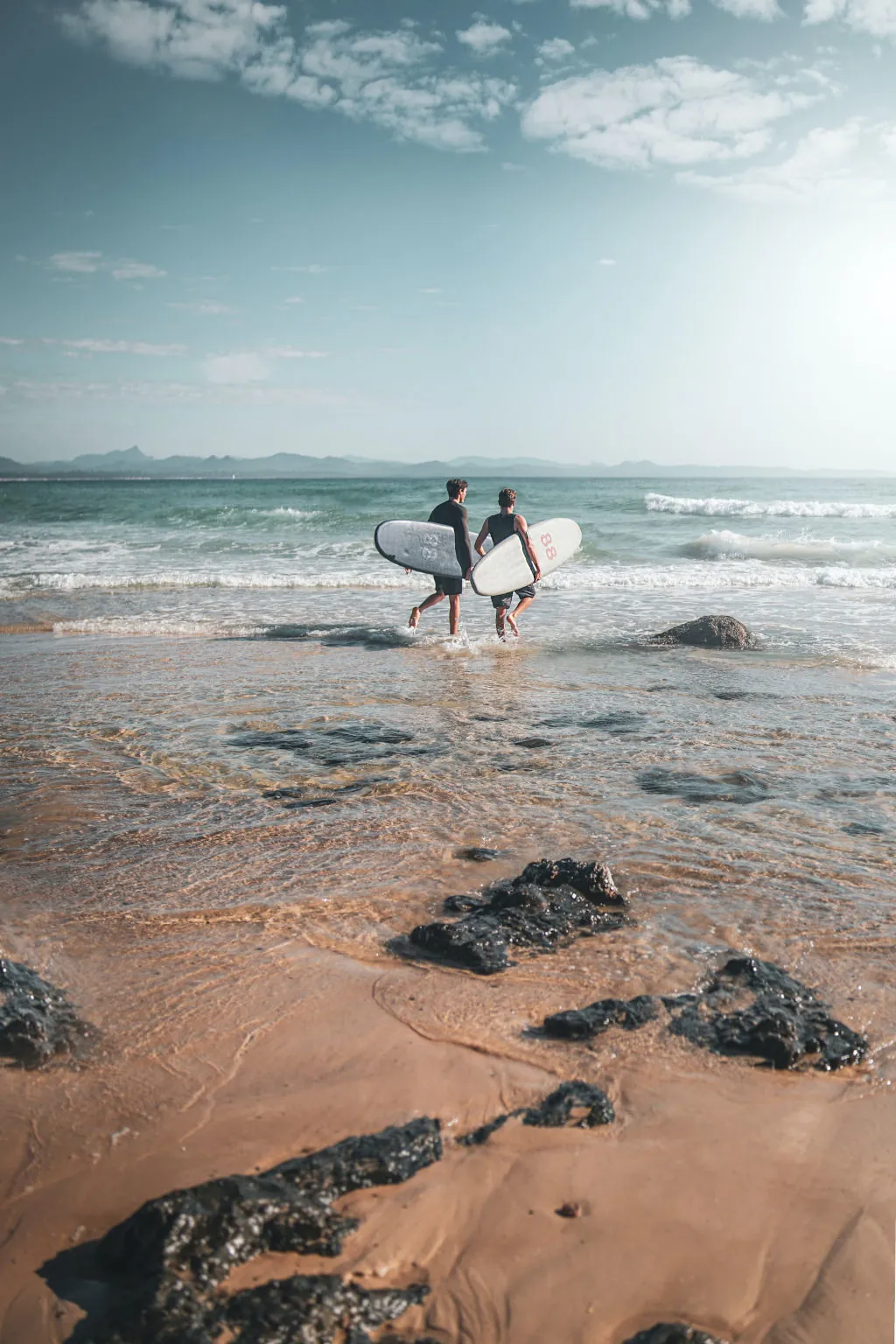
Locals are known as people who have a long history with surf spots. The basic rules of surf etiquette are applicable everywhere in the world, just keep in mind that locals many times have their “own rules”. In many spots, locals believe that they have the priority to surf the wave regardless of their position in the line-up, but how to deal with locals is very simple: respect to be respected.
Take it easy, don’t rush into the main peak where normally all locals are, you can position yourself a bit more on the inside and wait for your turn. Communicate, be friendly, and be approachable. By doing that you will slowly gain your space and at some point, you might be sharing the peak with all of them.
During your stay at Kima surf theory classes are included in your Kima package, where our surf guides will explain everything in detail about surf etiquette.
Just try to remember these simple rules in the water so everyone can have fun and enjoy the surf because in the end surfing is all about having fun!
Stay safe, respect each other and enjoy the waves!
BOOK NOW