

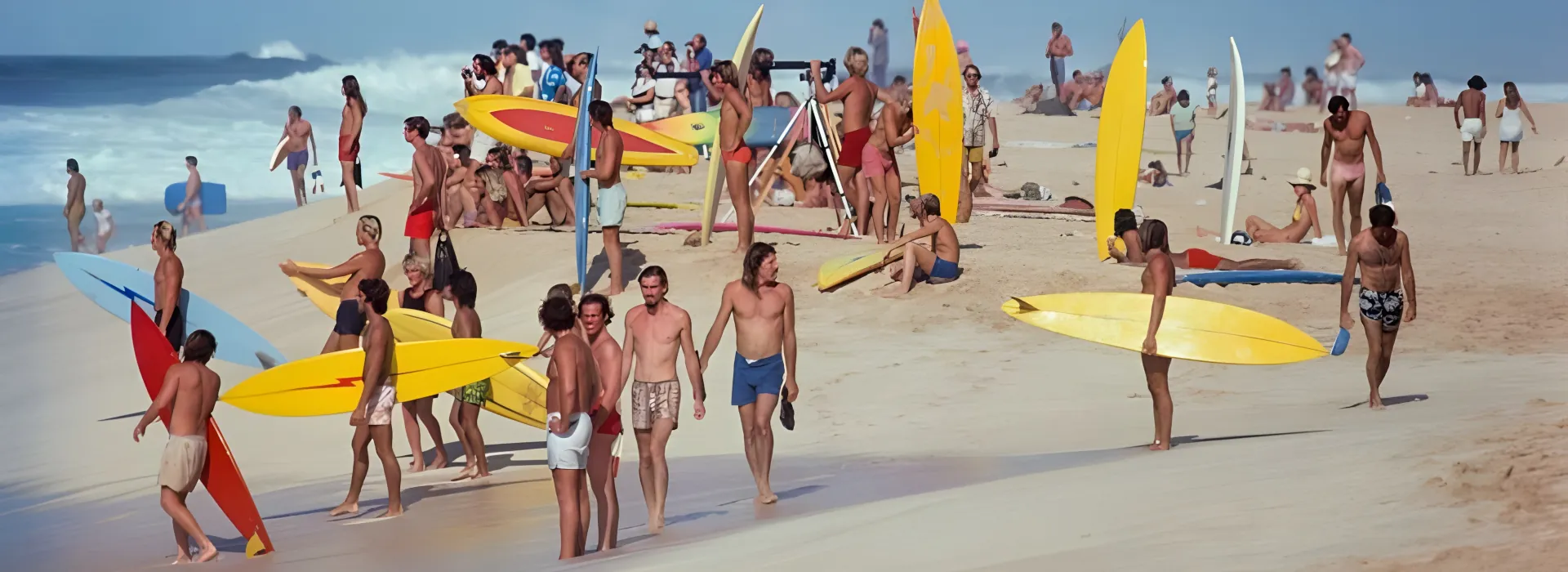
History of Surfing
From Ancient Roots to Global Hype
Surfing nowadays is super popular, and you cannot think of a society without surfing. But when did surfing emerge? And how did it evolve into the sport we know today? From the early Polynesians gliding effortlessly on the Pacific swells to the surf culture now that spans the globe, the evolution of this sport is as fascinating as the waves! Join us as we paddle back through time, exploring the roots and origins of surfing. From the graceful Polynesians to the vibrant surf culture that spans the globe.
The Beginning: From Polynesia to Hawaii
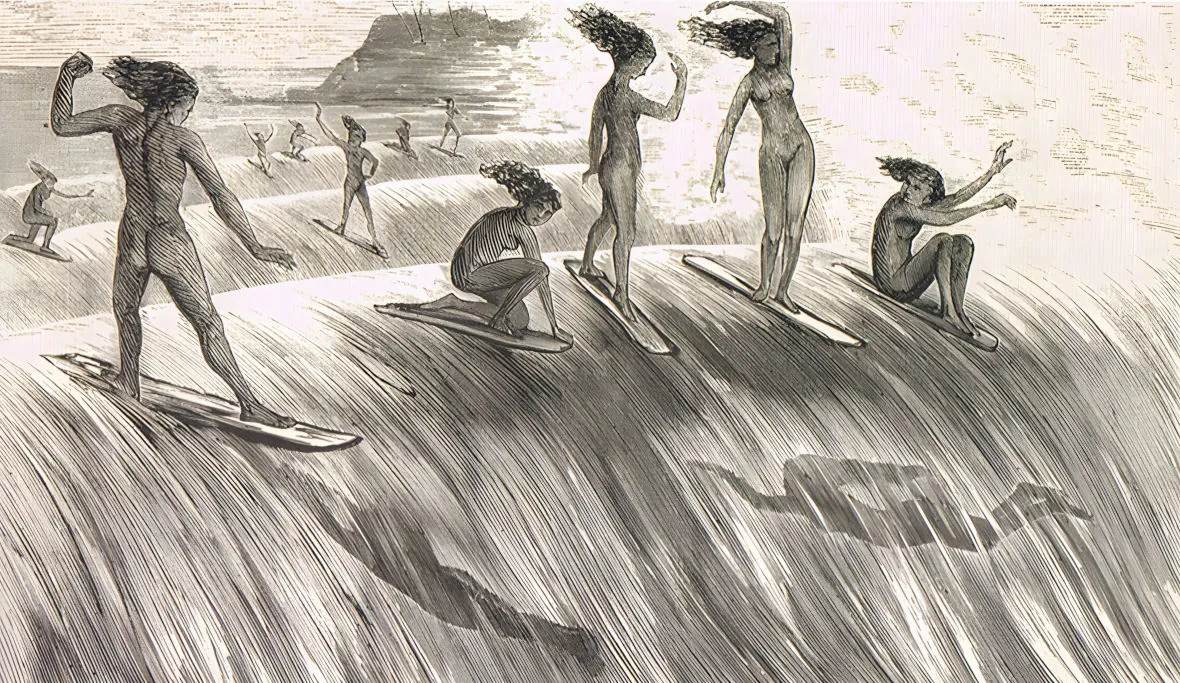
Let's start our journey back to the roots of surfing, where the ancient Polynesians laid the foundation. Centuries ago, they discovered the joy of riding waves on handcrafted wooden boards. In the course of seafaring, Polynesians brought surfing to Hawaii and that's where the sport took root and flourished. Surfing, or "he'e nalu" in Hawaiian, was not just a sport - it was a sacred practice deeply ingrained in their culture and religion.
The right choice of wood for crafting the surfboard was vital — it was a sacred process. Shaping a surfboard became a ritual, accompanied by religious ceremonies that served both as protection and to secure the gods' goodwill.
In this society, everyone, from men and women to children and kids, participated in the art of riding waves. However, it coexisted with a strict system of rules about who could surf on which spot. Surfing, in its earliest form, was a dance with the elements, a celebration of nature's beauty and religion.
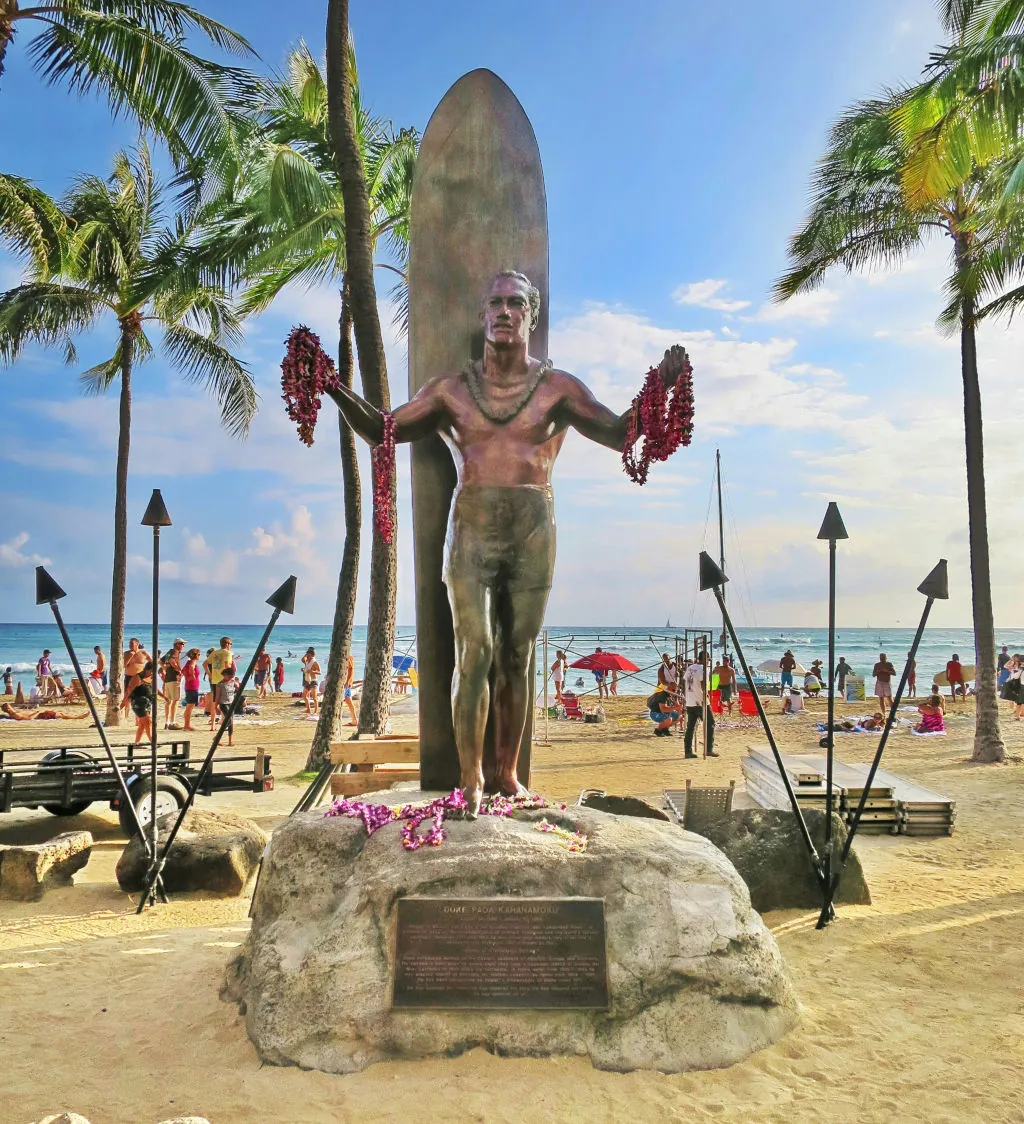
Duke, the spirit of Aloha!
As Hawaii embraced surfing, it became a societal cornerstone, transcending cultural boundaries. And then there was Duke Kahanamoku, a Hawaiian legend, Olympic swimmer, and one of the best surfers on the Hawaiian Islands, surfing backwards and doing handstands and other stunts. His influence catapulted surfing onto the world stage.
Duke's charismatic character and surfing prowess took him around the world, introducing surfing to regions far beyond the Pacific. From the famed Mavericks in California to the waves in Portugal, the spirit of aloha laid the groundwork for surfing's global journey.
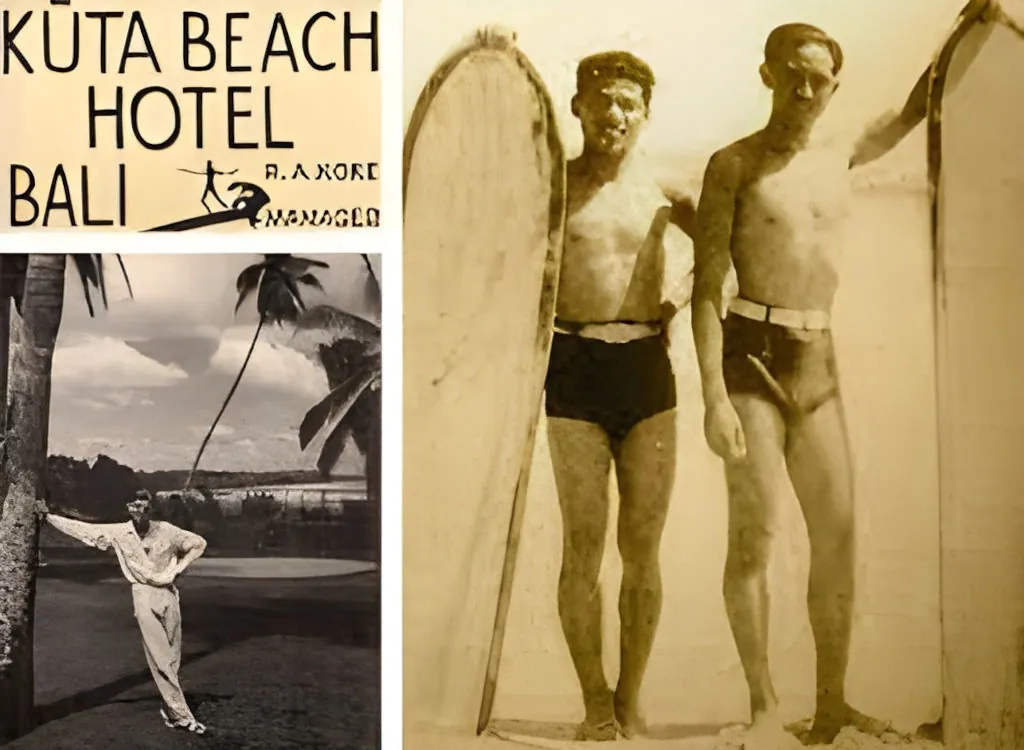
Surf Pioneers in Bali
A new chapter in surfing history unfolded during the mid-20th century with the arrival of Bob and Louise Koke in Bali. Originally from California, Bob Koke brought more than just love and wooden surfboards for surfing to Bali; he brought a cultural revolution.
Having adopted surfing as a hobby in his native California, Bob's passion for the sport led him to build a hotel on Kuta Beach. He introduced the sport to his staff and local workers and encouraged those from abroad to come to Bali, considering it provided good surf conditions. They explored Bali's coastlines and rode waves that had never felt a surfer's touch before. The Kokes' love for surfing and their adventurous spirit laid the foundation for Bali's emergence as a world-renowned surf destination.
From Wood to Fibreglass
Another transformative moment with the shift from traditional wooden boards to lighter, more manoeuvrable fibreglass surfboards. With these boards it became easier for surfers to move and dance on the waves, and have a different surf style.
Innovators like Bob Simmons and Hobie Alter played pivotal roles in ushering in this new era, forever changing the dynamics of wave riding. Bob Simmons was the first person to apply a theory called ‘hydrodynamic’ to create dynamic lift in surfboards, he was the first one to use fibreglass and resin to strengthen lighter weight boards, and the first one to actually define a surfboard and describe how it works. The introduction of fibreglass and resin revolutionised board construction, ushering in a new era of surfing style.
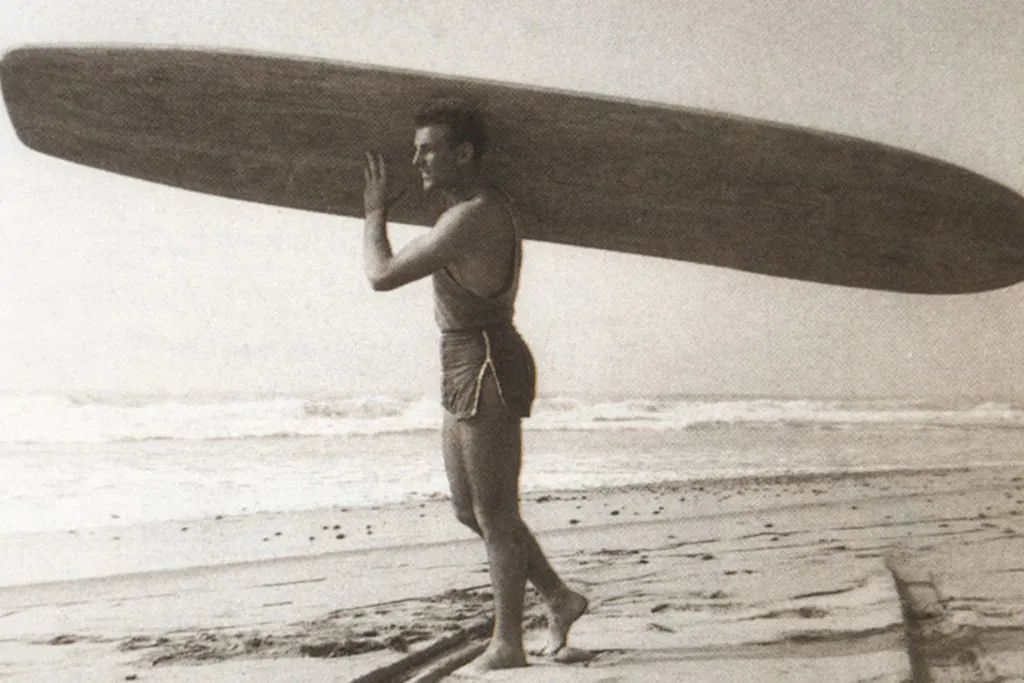
Surf Culture's Golden Age - Music, Movies and Mavericks
The 1960s was a golden age for surf culture. Iconic surf movies like "The Endless Summer" and the infectious sounds of surf rock. Surfing became not just a sport but a lifestyle, a rebellion against societal norms.
As surfers rode the cultural wave, the discovery of Mavericks in Northern California added a new dimension to the sport. Mavericks became the spot for those seeking the adrenaline rush of riding massive waves, pushing the boundaries of what was considered possible.
Surfing in Sri Lanka - Embracing New Surf Spots
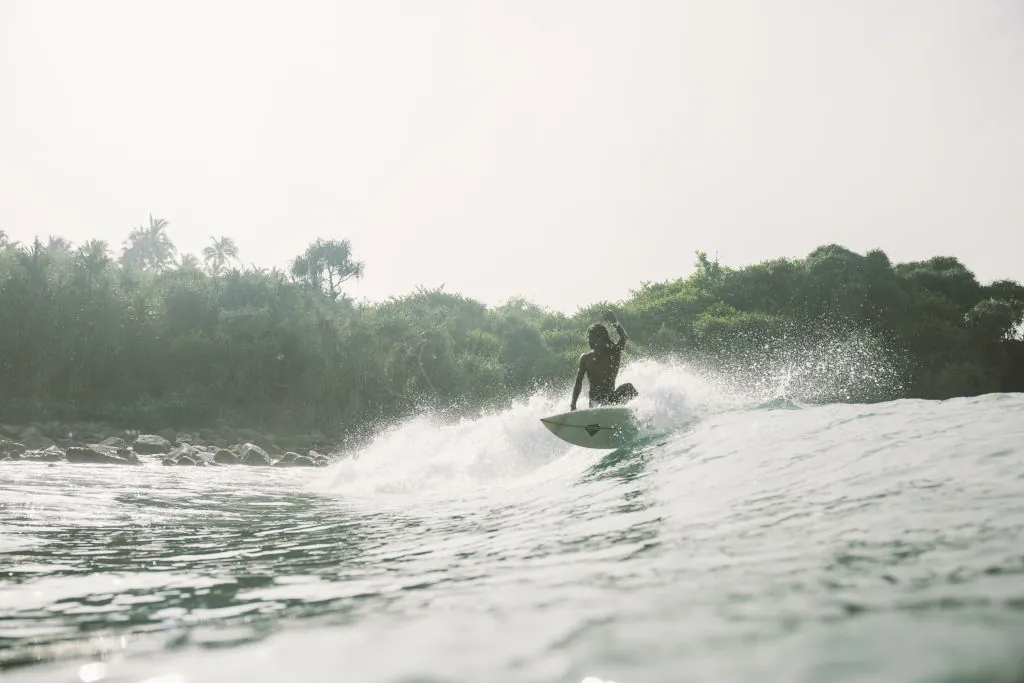
The history of surfing in Sri Lanka dates back to the early 1960s, an era when the first surfers ventured onto the island's waves. Among these pioneers was John Keegan, an Australian surfer, who explored the coastline in search of surfable breaks.
As the years unfolded, the reputation of Sri Lanka's surf spots grew, beckoning surfers and tourists from various corners of the world to its inviting waves. The island evolved into a prominent destination for those seeking thrilling waves and a unique surfing experience.
Post the Sri Lankan Civil War in 2009, Arugam Bay, Hikkaduwa, and Weligama emerged as popular surf hubs. The first major World Surf League Competition in Arugam Bay attracted surfers and tourists, serving as a cultural exchange where locals and foreigners alike share the joy and art of surfing.
The Rise of Professional Surfing
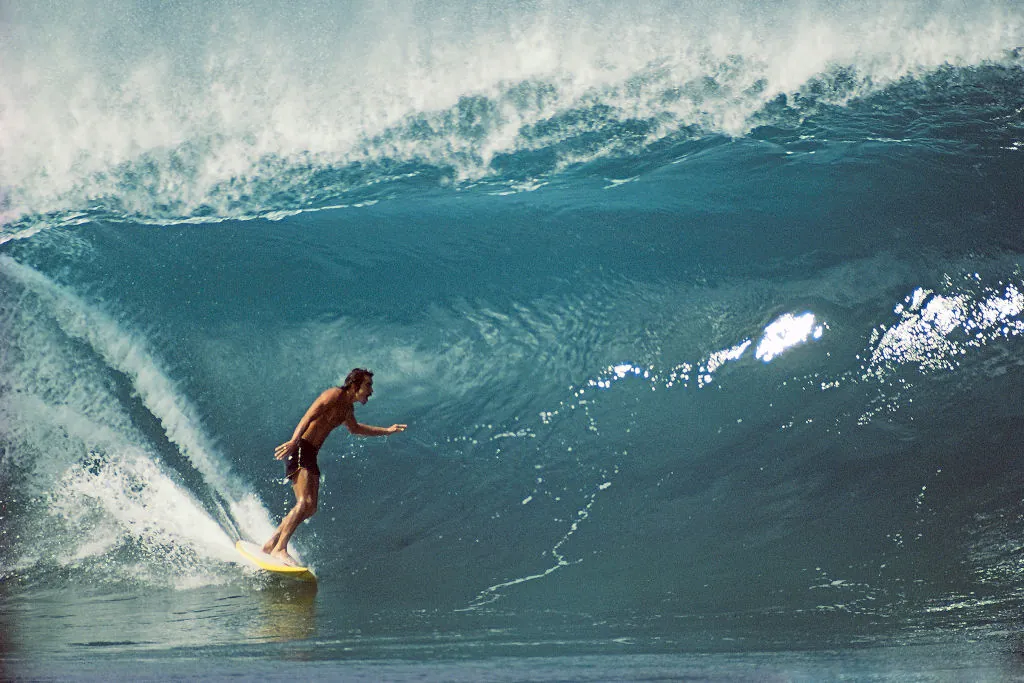
As the 1970s started, surfing entered a new era with the establishment of professional competitions. The International Professional Surfers (IPS) tour laid the basis for the competitive surfing landscape we know today. Legends like Gerry Lopez and Mark Richards surfed the waves and left an indelible mark on surfing history.
Surfing in the Digital Age: A Global Community
With the rise of the internet and social media, surfing's popularity crossed physical borders. Online platforms serve as virtual beaches, connecting surfers from every corner of the world. The sharing of videos, experiences, tips, and the thrill of riding waves has created a global and vibrant surf community.
Additionally, the industry also witnessed the rise of trendy surfwear brands, surfboard manufacturers, and a whole world of surf-related products. Surfing became a universal language, spoken and understood by enthusiasts from different backgrounds.
Today: A lifestyle, A culture, A global hype
As we ride the waves of the present, surfing stands at the intersection of tradition and innovation. Technological advancements, such as artificial wave pools, have made surfing accessible everywhere. The World Surf League (WSL) showcases the best surfers on an international stage, emphasising the sport's global reach.
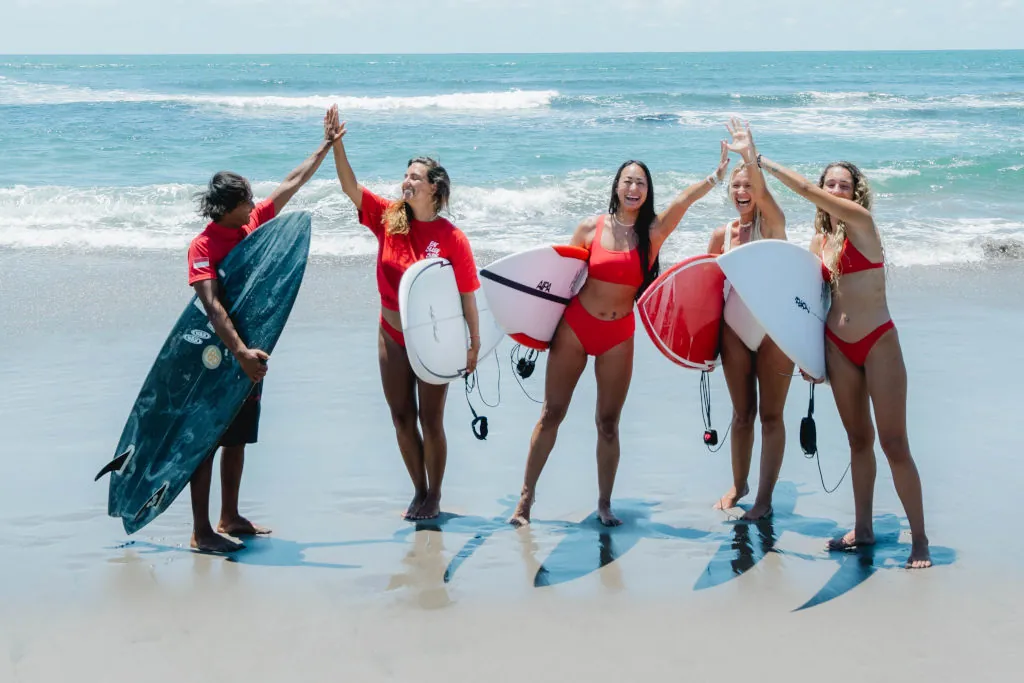
Besides professional surfing, this was also the time when various surf camps arose. Did you know that the idea of Kima surf started in 1995? Our camp in Seminyak, Bali was one of the first surf camps in Bali - a place to eat, sleep and surf!
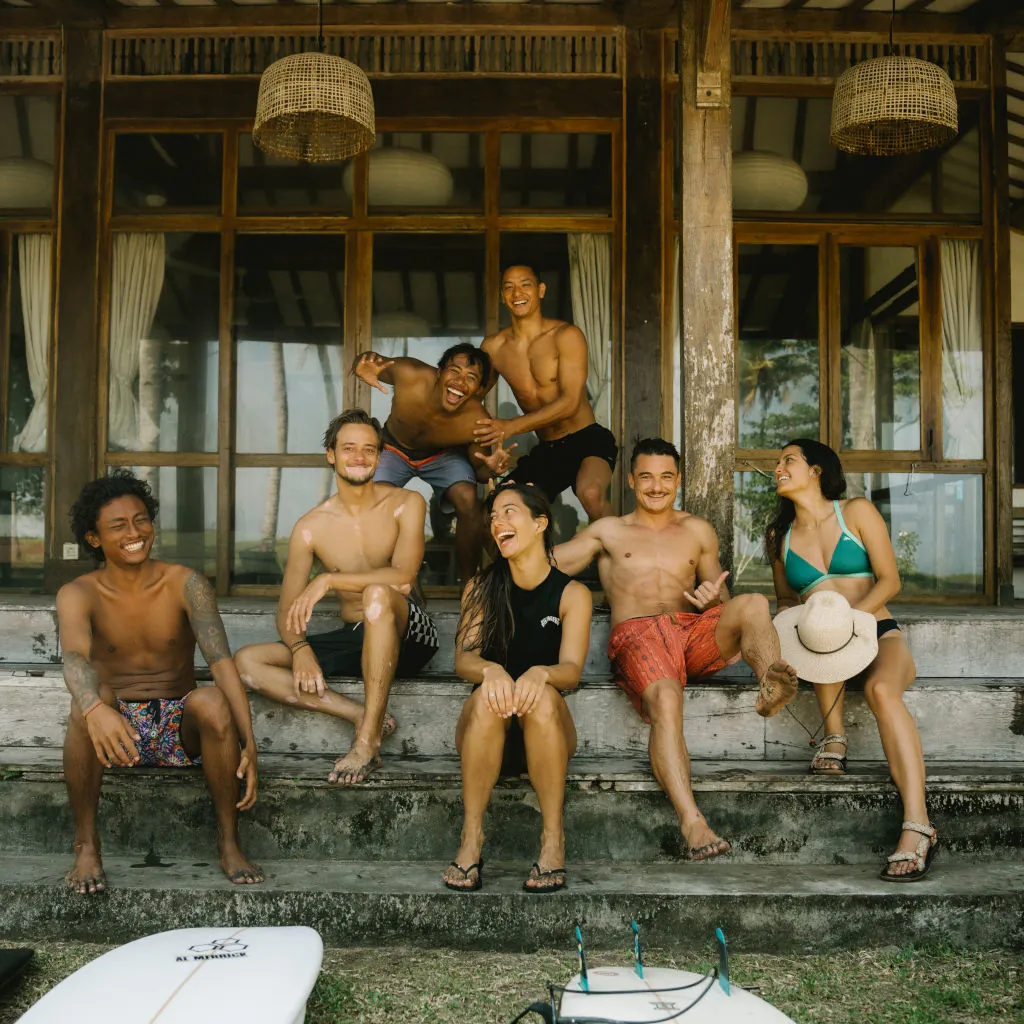
Surfing isn't just a sport; it's a lifestyle, an expression of freedom, and a connection to nature. Surfers worldwide fly around the world to ride the best waves. Whether you're a newbie learning how to surf on the beach with a surf guide or a seasoned surfer seeking the perfect wave, surf camps offer an immersive experience. Social media amplifies the diversity of surf styles and lifestyles, making surfing a universal language spoken by enthusiasts worldwide.
The Future of Surfing
Of course we can not predict the future, but one thing is clear - surfing's journey is far from over! The sport continues to evolve, embracing diversity, inclusivity, and technology. From artificial wave pools to surf therapy programs, the surfing culture knows no boundaries!
With different locations in Bali and Sri Lanka, we offer you the best waves, expert guidance from our surf guides, and a vibrant and enjoyable surf community. Whether you're a beginner, learning how to surf or an experienced surfer, seeking the perfect blend of surf, culture, and adventure, we have it all. Ready?
BOOK NOW