How To Prepare For Your Bali Trip
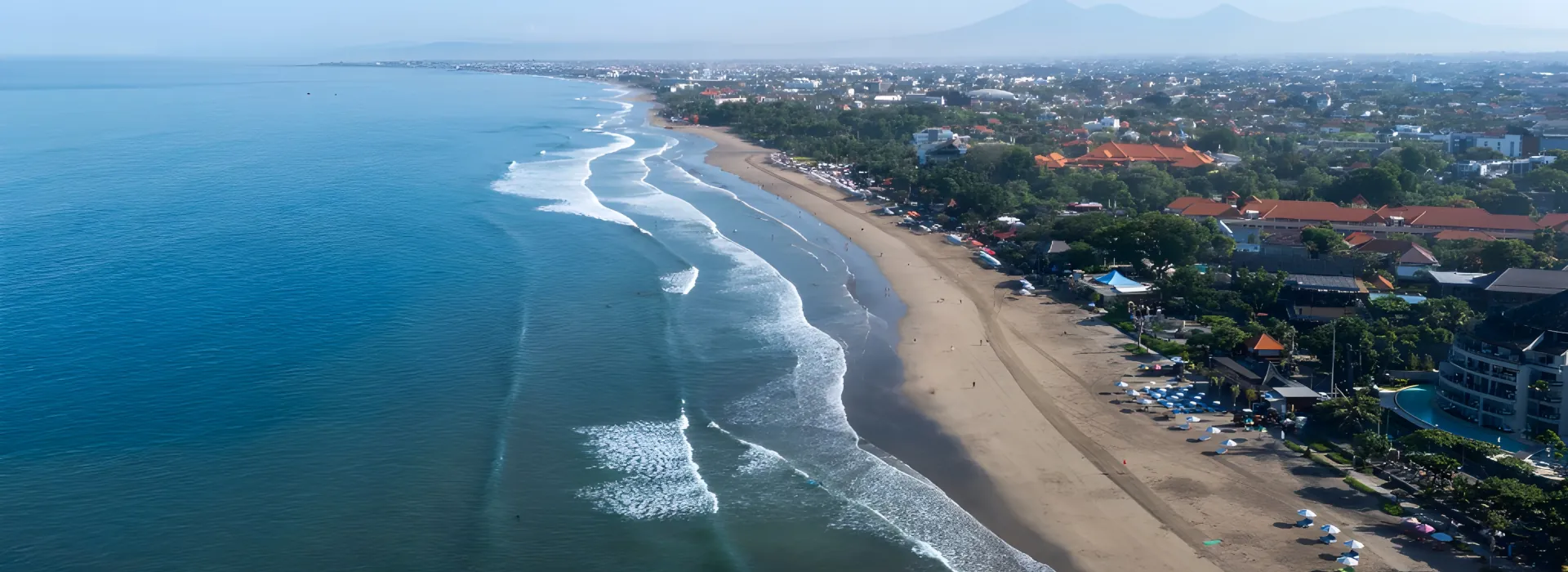
There are many reasons to plan a trip to Bali, whether it’s your first time visiting the Island of the Gods or you’re returning for more sun, surf and nasi goreng—being prepared can make all the difference. Bali is the destination for 2025 with its tropical beaches, rich culture , unforgettable experiences and friendly locals. But, like any international trip, there are a few important things to sort out before you go. Visas, dates, plans, and season— Let’s review everything you need to plan before your trip so you can feel ready and get packing for your trip to Bali!
What To Pack
Island Edition
Packing for Bali is all about staying cool, comfortable, and prepared for adventure and relaxation. Bali has a very humid climate and is hot 99% of the time so this is why lightweight clothing is key; think breathable fabrics, cotton and linen, swimsuits, sandals, and a hat for sun protection. Here are some essentials:
Light clothing
Printed copies of important documents
Sunscreen
Sunglasses
Reusable bottle
Sarong (beach towel)
Adapter
Insect repellent
Basic medication
Also remember all your surfing equipment, to make your surf trip unforgettable!, but at Kima Surf Camps in Canggu and Seminyak we have you covered with our board rental and insurance. You can rent the perfect board to match your level at Kima Surf camps and our experienced surf guides can help you in finding the right match. From soft tops for beginners to short boards for intermediate surfers, we offer you plenty of high quality surfboards. We even offer high performance boards such as KT surfboards, Gerry Lope boards, AIPA, SMTH shapes and many more in our Premium Surfboard Collection. So if you don't want to pack all your surfing equipment, we have you covered!
If you join the 5 Day Learn To Surf Course, designed for complete beginner surfers to learn all the basics of surfing and start their surfing journey. Just bring yourself, your surf suit and some sunblock and we will sort out the rest. Boards, lycras, towels, water, we have your back!
If you forget something, there's no need to worry since Bali has a lot of different shops for almost everything, so if you forget a hat, get a new one in Bali! Our friendly Front Office team will gladly direct you with where to go!
Visas
The first important step
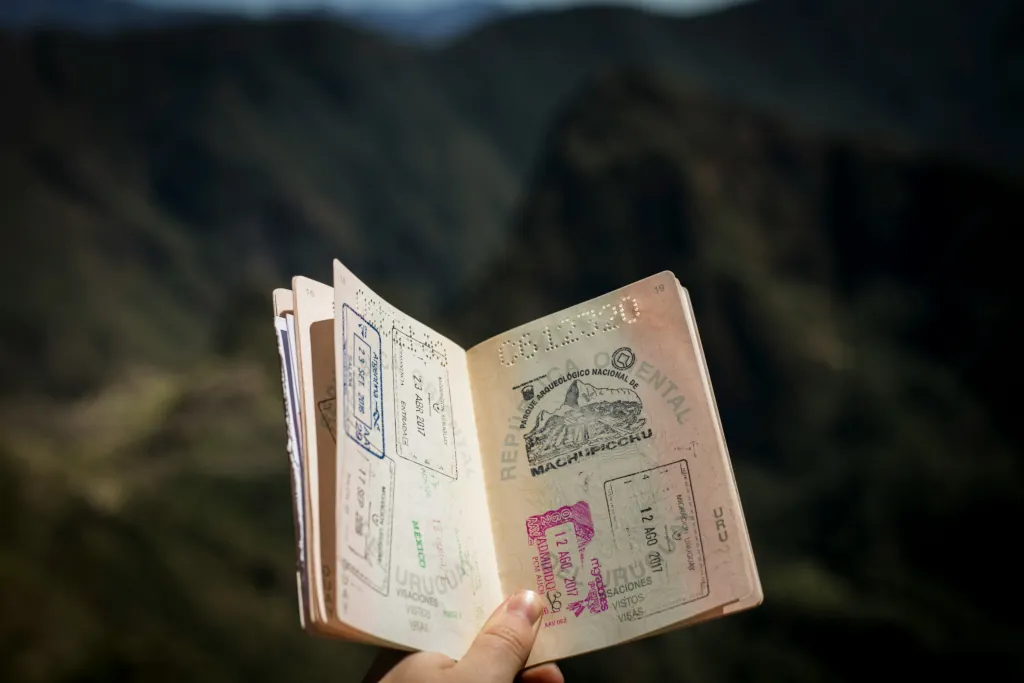
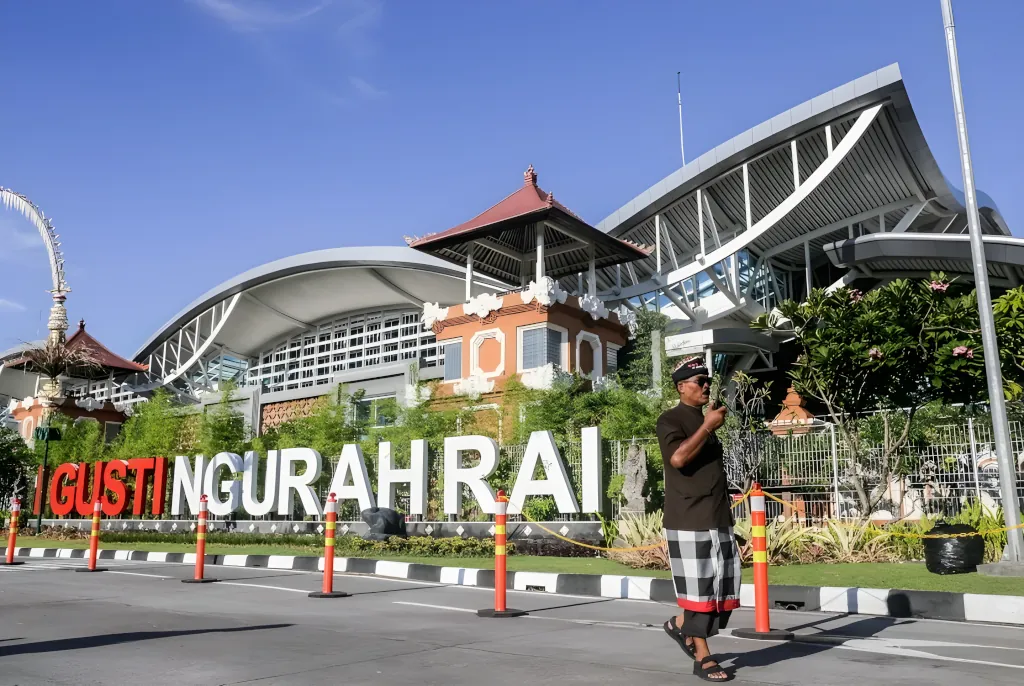
One of the first things to sort out when coming to Bali is your visa. Fortunately, most travelers, including those from the US, the EU, the UK, Australia and 93 more countries are easily eligible for an Indonesian visa. To make it easy, Indonesia provides a Visa On Arrival (VOA) program. This visa costs around 30 EUR (IDR 500,000) and grants you a stay of 30 days, with the option to extend once for 30 more days. You can apply for a VOA upon landing at Ngurah Rai International Airport, but usually the queue takes a while, but you can skip it by applying online in advance through the immigration portal. To be eligible, you will need a passport that is valid for more than 6 months, a return or onward flight, and a payment method ready (cash or card works).
If you’d wish to stay longer than 60 days or if you’re from a country that isn’t eligible for a VOA, there are many more visas to check out on the immigration portal. This type of stay permit must be arranged before arrival—either through an Indonesian consulate or a local visa agent. For travelers with passports from ASEAN countries like Singapore or Thailand, there's even a visa-free entry option for a short stay of up to 30 days (non-extendable). Whatever your plans are, be sure to confirm the most recent visa requirements before you go, as they are subject to change. To ensure that your Bali journey gets off to a good start, a little planning goes a long way.
Customs and health declarations
Arrival Essentials
Before or upon arriving in Bali or anywhere else in Indonesia, there are two quick and important forms you’ll need to complete: the Customs Declaration (e-CD) and the Health Declaration (e-HAC).
The Customs Declaration is now done online at ecd.beacukai.go.id. You can fill it out up to 3 days before your flight, and it only takes a few minutes. After submitting it you’ll get a QR code, which you will want to save since this is what you will show the officers when passing through customs. The officers usually know English, but in case you need assistance, it is always good to know a few words in Bahasa Indonesian.
The Health Declaration is completed through the SatuSehat mobile app or website. It may or may not be required depending on current health regulations upon your arrival, but it is safer to complete it. You can complete this declaration within 24 hours of your departure to be ready upon arrival.
Both are fast and easy, and filling them out in advance makes your arrival in paradise a lot smoother.
Currency
Indonesian Rupiah
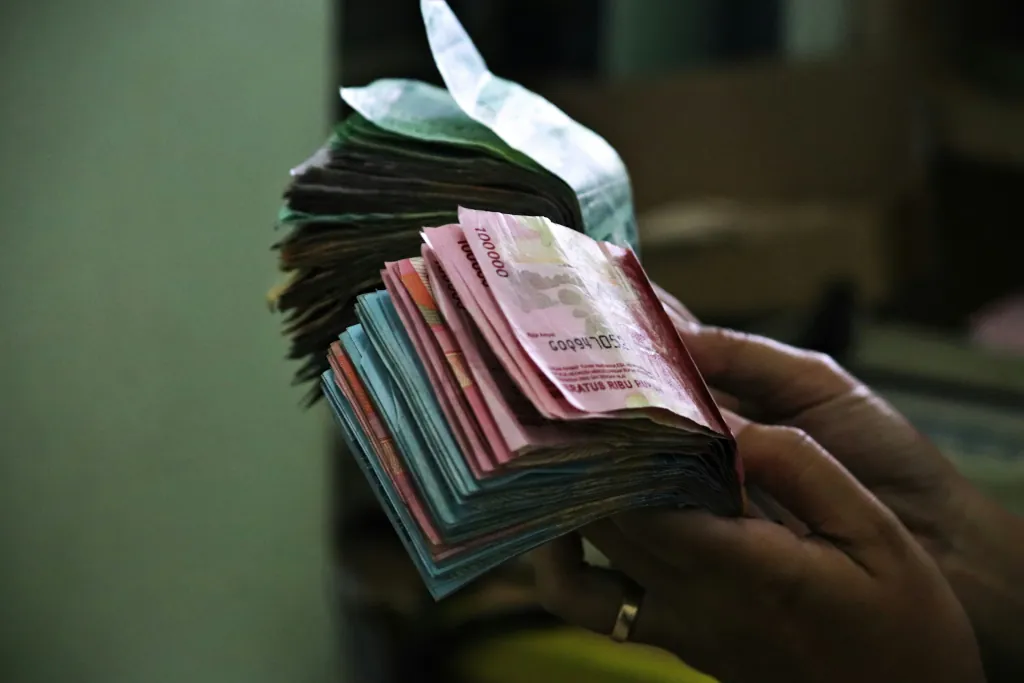
The Indonesian Rupiah (IDR) abbreviated as Rp, is the official currency of Bali. It may seem like you're spending a lot because of the high denomination notes, but don't worry—Rp 100,000 is only about 5 EUR. Rp 1,000, Rp 5,000, Rp 10,000, Rp 20,000, Rp 50,000, and Rp 100,000 are examples of common bills. Even while digital payments are becoming more and more common on the island, it is still a good idea to keep some cash on hand because cash is king in Bali, particularly in smaller stores and more rural regions.
If you’re exchanging foreign currency, be very careful where you do it. Bali is known for currency exchange scams, commonly in small and unofficial booths that offer rates that seem too good to be true. Always use official and bigger money changers like BMC or even ones in the airport–they’re honest, licensed and won't shortchange you. A good rule: if the place looks sketchy or has “no commission” signs everywhere but super high rates, walk away. And always count your money carefully before leaving the counter.
Adapters
Stay Charged
Indonesia uses Type C and Type F power plugs, the same as most of Europe. So depending on where you are traveling from, you might need an adapter.
US/Canada: Needs an adapter (and make sure your devices support a voltage of 230V)
UK: Needs an adapter
Australia/NZ: Needs an adapter
EU countries: No adapted needed
Most modern phone, laptop, and camera chargers are dual voltage, so a plug adapter is usually enough; there is no need for a bulky voltage converter unless you are bringing items such as hair dryers that aren't rated at 230 V. If you are in need of an adapter, you can easily find one in a phone shop near you or at the Ngurah Rai Airport. Make sure you are getting a high-quality one to avoid the risk of damaging your batteries. It’s easiest to bring one with you so you are ready to charge as soon as you land.

Gojek & Grab
Transportation and ordering in
When getting around in Bali, Gojek and Grab are your best friends. These are the Indonesian versions of Uber, and they’re incredibly convenient, affordable and easy to use!
Both apps offer car taxis and motorbike taxis (known as “GoRide” or “GrabBike), the perfect way to get around quickly. They also offer a food delivery service, grocery shopping service, package delivery service, and much more, all through the app.
Prices are usually cheaper than taxis you find hustling down the road, and you’ll see the fare upfront before confirming. Motorbike rides are especially popular in Bali since they can avoid the traffic and get you around fast. The motorbike taxis are also cheaper, costing as little as Rp15,000-50,000 (2 EUR), depending on where you want to go! Bike taxis are especially recommended for those who do not know how to ride scooters. Often tourists come and visit Bali and just rent a scooter thinking it will be easy, but it is not; the roads can be tricky, so, if you aren’t experienced, Gojek and Grab will come in handy.
However, be aware that in some areas, like parts of Ubud or Canggu, online taxis may be restricted due to local taxi regulations. In zones like these you can usually be dropped off but not picked up, so you might need to walk a bit outside of the restricted area.
To stay safe, make sure you are always getting on the right bike. You can do this by asking the driver what name the order is under or checking if their license plate is correct. You can also share your trip with friends and family by pressing the Location icon to the right of your screen.
Make sure to download Gojek and Grab before your trip, and you can pay with either cash or set up a credit/debit card in the app. Both are a must-have for easy travels around the island!
At Kima Surf Camps In Seminyak and Canggu airport transfers (airport pick-up and drop-off) are included for a minimum 5-night-stay. A small fee is charged for pick-up if you stay less than five nights.

Safety & Wellbeing
Vaccinations & Travel Insurance
Before heading to Bali it’s a good idea to be up to date on routine vaccinations like tetanus, measles-mumps-rubella (MMR) and hepatitis A. Some travelers also consider the typhoid or rabies vaccine if they plan to explore more rural areas, work with animals, or stay long term. Bali is generally low risk, but it’s always better to stay safe—check with your doctor or a travel clinic a few weeks before your trip to make sure you are ready for your Balinese adventure.
Something else to keep you safe is travel insurance. It’s essential in cases of unexpected situations like motorbike accidents, medical emergencies, or flight cancellations. Many clinics in Bali expect payment upfront, so having a policy that covers health care and hospital visits can give you peace of mind. Look for ones that include medical coverage, theft protection, and trip disruptions, especially if you are planning to surf , hike, or ride scooters.
Not to forget, Bali is in the tropics so mosquito protection is a must—especially in the early morning and evening. While the risk of malaria is low in most areas, dengue fever is present year-round and spread by daytime mosquitoes. To stay safe, use insect repellent, which is included in your accommodation; if not, sprays like Sofell can be found almost everywhere.

“Bali Belly”
What not to do
“Bali Belly” is the local nickname for traveler’s diarrhea, usually caused by unfamiliar bacteria in food or water. But this doesn’t mean you can’t eat your favorite Balinese dish. It’s not dangerous for most people, but it can be unpleasant— stomach cramps, nausea and frequent bathroom trips; it typically lasts a day or two, though it can last longer if not taken care of. You can avoid it by:
Drink only bottled or filtered water, at our camps in Canggu and Seminyak we have water dispensers around the camp to ensure you consume clean potable water, if you stay for more than 5 nights you’ll get your Kima thermic bottle for free.
Avoid ice from unknown sources (most restaurants are safe)
Wash your hands
If you get ill it is important to rest and stay hydrated with water or electrolytes, and stick to plain foods like toast or rice. Medication can also be bought at the pharmacies, like Imodium or charcoal tablets can help. If you dont see any improvement in 48 hours, seeing a doctor is recommended. A little caution goes a long way, and you will stay fine.

A well-planned trip to Bali may be stress-free, seamless and filled with life-changing experiences. It's simple to organize everything, and it all contributes to a more laid-back and joyful vacation. Whether you’re chasing sunsets in Uluwatu , sipping on coconuts in Canggu or temple-hopping in Ubud, Bali offers something for everyone. Our surf camps in Canggu and Seminyak have cultural trips available that can be booked onsite so that you can explore all of Bali’s hidden Gems. From waterfalls, to hiking Mount Batur or trying out a cool ATV adventure, we have a cultural trip for everyone! So prepare ahead of time, pack wisely and get ready to enjoy the rich culture and relaxed way of life on the island. Welcome to Bali and selamat jalan, or safe travels!