

Surf Workouts That Actually Work for Beginners
Get Surf Ready!
Paddling out for the first time is one of the best feelings in the world. But your first few surf sessions can also be humbling. You're tired faster than expected, your pop-up feels slow, and your legs are shaking on the board. That's not a skill problem. That's your body not being ready yet.
The good news? You can fix that before you even touch the water. You don't need a gym membership or a personal trainer, just a handful of targeted exercises that mirror the real movements of surfing, and the consistency to do them before your trip . Whether you're heading to Kima Surf in Sri Lanka, Bali , or anywhere else, showing up prepared makes a real difference. Faster pop-ups, more waves caught, and less soreness the morning after, it all starts on the shore. Here's exactly what to work on.
Why It Matters
When you’re out surfing, you use muscles that most people don't train in everyday life. Your paddling muscles, your hip flexors, your core stability, these all take a beating in your first few sessions. A lot of beginner frustration comes not from lack of skill, but from the body simply not being ready for the demands of the water and waves.
These workouts are simple, require no equipment, and you can do them anywhere. Your room, garden, living room floor, no excuses. Let's get into it!
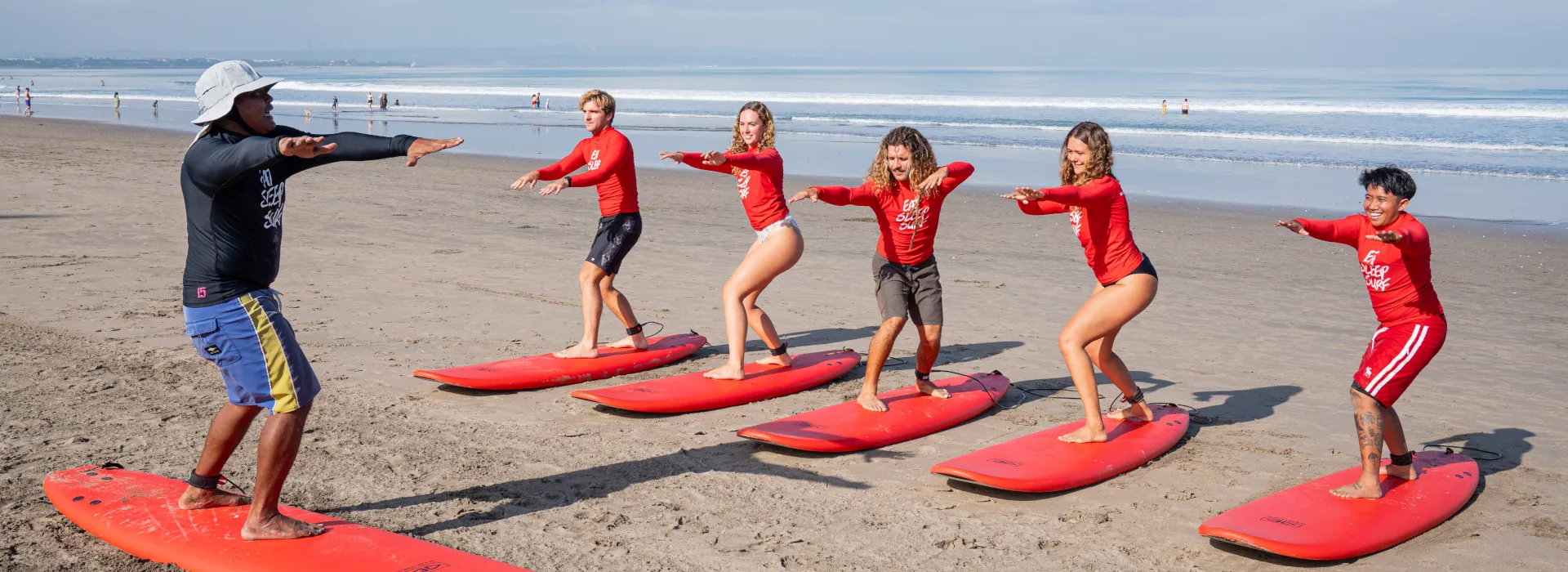
1. Pop-Up Practice (Surf Takeoff Drill)
This is the single most important thing you can practise before your first surf lesson. The pop-up is the foundation of surfing. If you can nail it on land, you'll nail it on a wave. Muscle memory (the automatic connection between your brain and your muscles) is everything here. The water doesn't give you time to think.
How to do it:- Start lying face down on the floor, as if you're lying on your board.
- Place your hands under your chest in a "chicken wing" position. Not too wide, not too narrow.
- In one smooth motion: push up, slide your back foot forward first, then bring your front foot through into a low surf stance.
- Land with feet staggered, knees bent, chest low, arms out for balance.
- Repeat slowly to lock in the movement, then build up speed as it starts to feel natural.
This is called the 3 stage pop-up. Hands, back foot & front foot. Practice it until it feels automatic.
What it helps:
When a wave picks you up, your brain goes blank. And that's exactly when muscle memory takes over. Try this in 3 sets of 10 reps and watch how much cleaner your pop-up feels when you finally get in the water.
Muscles targeted: Chest, triceps, core, hip flexors, and quads.
2. Burpees (Surf-Style)
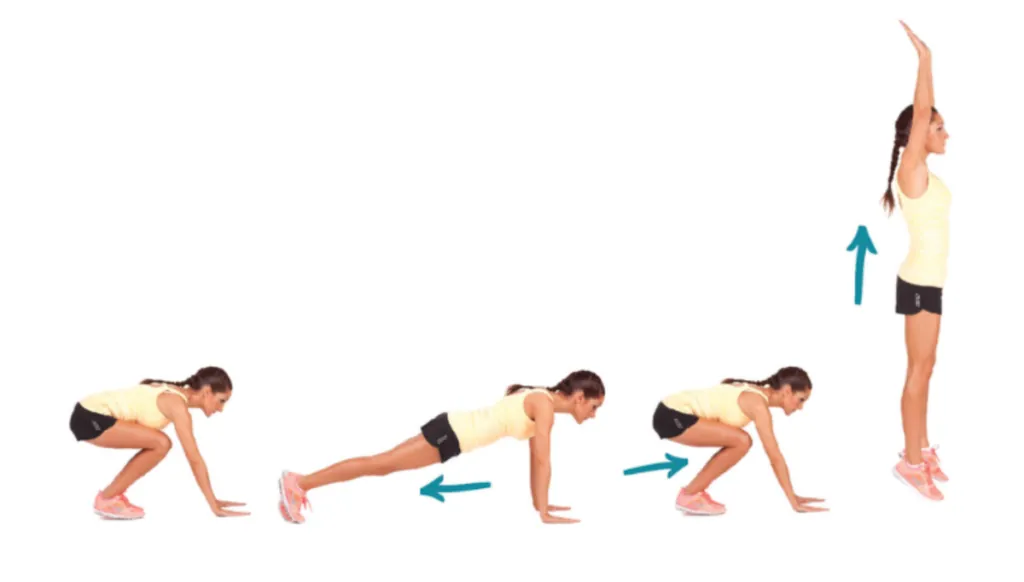
Many people don’t love burpees. But there's a reason every surf coach swears by them. They combine the explosive push-up motion of a pop-up with the cardio endurance you need to keep paddling and getting up, session after session.
How to do it:- Start standing, then drop into a plank position while engaging your core.
- Do a push-up or lower completely to the ground (crossfit burpee).
- Jump your feet forward toward your hands.
- Explode upward. And here's the surf twist: land in a surf stance instead of jumping straight up.
- Reset and repeat.
Start with 3 sets of 8-10 and build from there. Your first surf session will thank you.
What it helps:
You need the explosive strength for getting up on waves quickly, plus the cardio base to keep going when the sets keep coming.
If you find yourself worn out after paddling back to the
lineup,
burpees are your fix to
improve your surfing.
Muscles targeted: Full body, especially chest, shoulders, quads, glutes, and core.
3. Paddle Strength Training (Superman/Swimmer Drill)
Paddling is about 80% of surfing. And it's the part most beginners are least prepared for. Your arms might feel fine, it's your upper back and lats that give out first. This drill targets exactly those muscles.
How to do it:- Lie face down on the floor, arms extended in front of you.
- Lift your arms and legs slightly off the ground (keeping your feet together)
- Alternate "paddling" your arms in slow, controlled swimming strokes, like you're actually paddling a board.
- Keep your core and glutes engaged and your lower back from over-arching.
- Do 3 sets of 20 strokes, or hold the lifted position for 30 seconds at a time
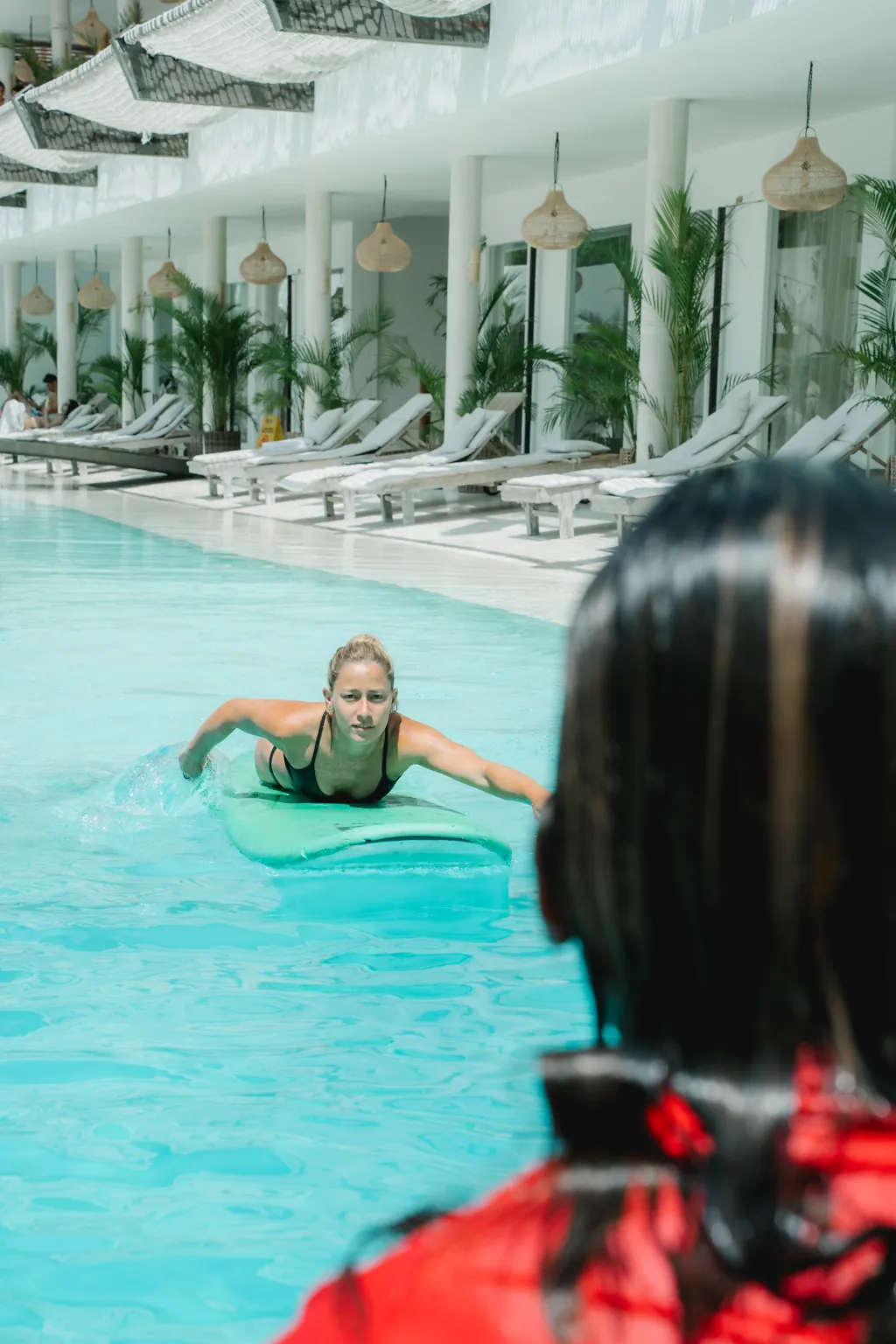
Want to make it harder? Do this on a foam roller under your hips or a balance board to get even closer to the real feeling. And if you're staying at one of our Kima Surf camps, make sure to join a pool session. It's the perfect way to work on your technique and paddle strength on a real surfboard, without the waves.
What it helps:
With this exercise you’ll have stronger, longer paddle sessions without your arms giving out before your wave count does.
It also does a great job of preventing the lower back soreness that quietly destroys a lot of people's first few days in the surf.
Pair it with our
surf recovery routines
to stay fresh between sessions.
Muscles targeted: Lats (upper back), shoulders, lower back, triceps
4. Squat to Balance Hold (Surf Stance Builder)
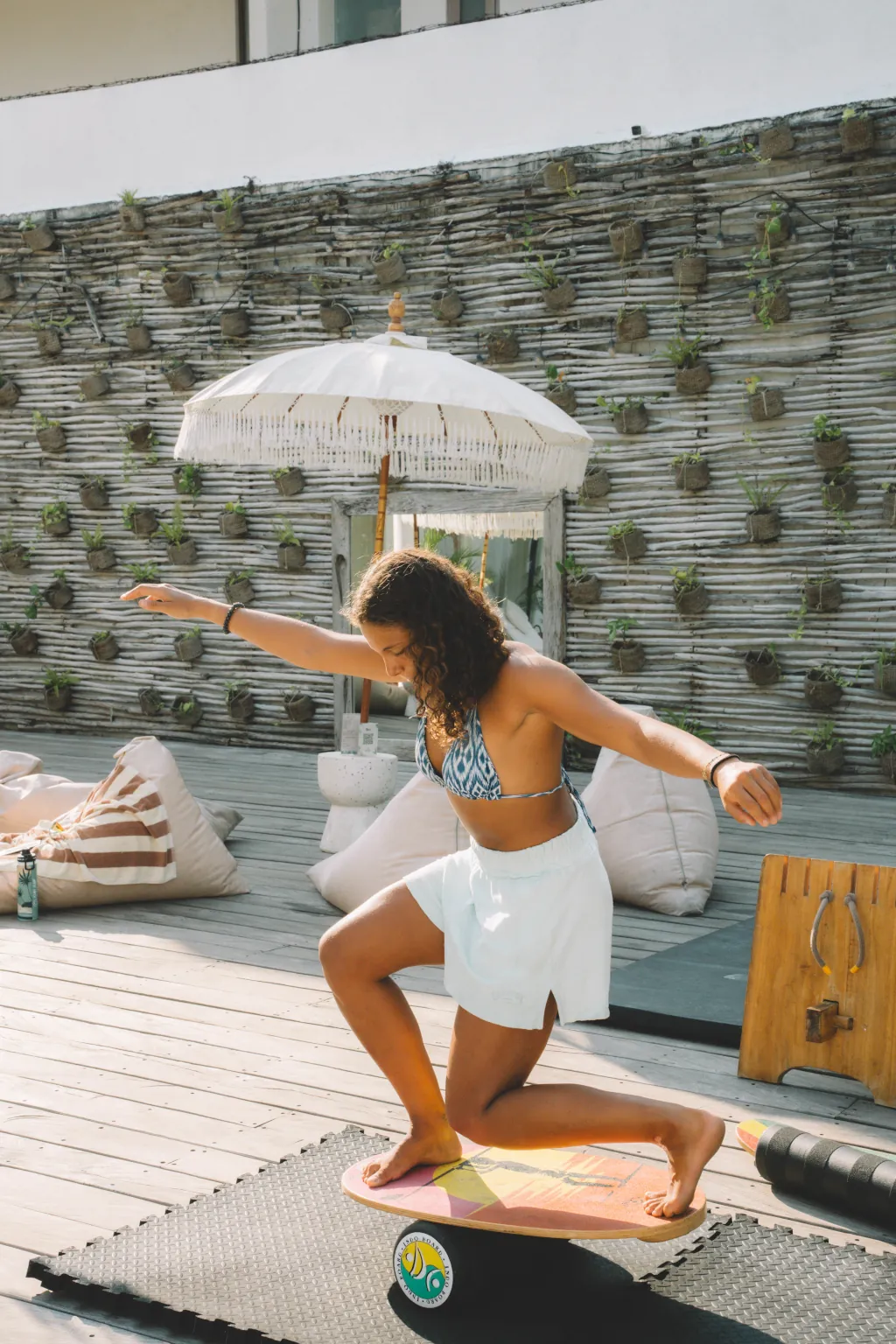
Balance is something you can really train well before you get in the water. This drill mimics the dynamic constant weight shifts you make while riding a wave: shifting side to side, heel to toe, adjusting to keep yourself balanced on the board.
How to do it:- Drop into a low squat with feet shoulder-width apart, slightly staggered (like a surf stance).
- Slowly shift your weight from your heels to your toes, and side to side.
- Hold a low surf stance, knees bent, chest low, arms and eyes out. For 20–30 seconds at a time
- For an extra challenge, do this on a pillow, a folded mat, or a balance board to add extra instability.
The goal is simple: get comfortable being uncomfortable. That's basically what surfing teaches you every single session.
What it helps:
Better stability on the board, more control when a wave wobbles you, and the strength in your legs to hold your stance for longer without your quads burning out. If you're staying with us, make the most of the balance boards at camp. Even 10 minutes a day between surf sessions makes a noticeable difference.
Muscles targeted: Quads, glutes, calves, core
5. Plank Variations (Core Stability for Surfing)
Planks are great for core strength and stability and there are so many variations to this movement, so you can easily adapt it to make it work for you. While surfing your core is engaged, keeping you balanced on your board and providing a stable foundation for paddling. Don't forget to do your daily plank!
How to do it:- Start lying on your stomach on the floor
- Raise your body with your elbows and feet holding you in a standard plank position
- Add shoulder taps or leg lifts for challenge
- Keep hips stable (no rocking)
What it helps:
Planks help improve balance and core stability, making it easier to stay centred on your board and maintain control while riding waves.
Muscles targeted: Core (abs + obliques), shoulders and lower back

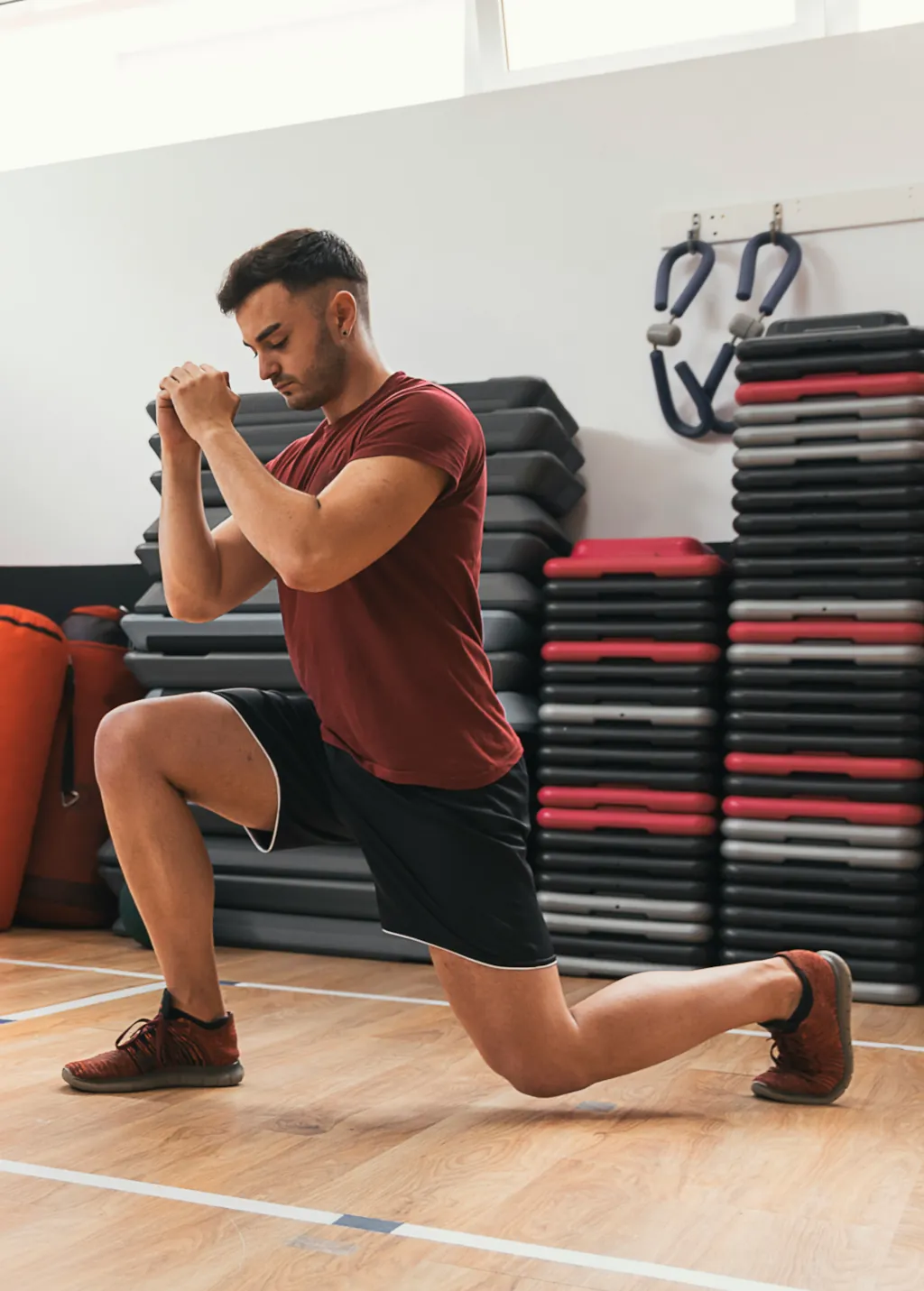
6. Jump Lunges (Wave Recovery Power)
Jump lunges will help you build the explosive power you need in your legs for surfing, it also improves your coordination and stability which helps with adjusting your stance and turning.
How to do it:- Start in lunge position
- Jump and switch legs mid-air
- Land soft and controlled
What it helps:
This exercise builds leg endurance, helping surfers stay strong through long sessions, recover quickly after wipeouts, and maintain power through repeated pop-ups and wave rides.
Muscles targeted: Quads, hamstrings, glutes and calves.
7. Yoga “Cobra to Down Dog” Flow
Yoga and surfing are like a yin and yang, they complement one another perfectly. Yoga helps with mobility and flexibility which are two important factors when learning to surf.
How to do it:- Start lying face down (cobra pose)
- Push up into downward dog
- Flow slowly between the two
What it helps:
It helps to improve shoulder mobility and flexibility to help surfers paddle more efficiently, move smoothly through pop-ups, and reduce the risk of injury both in and out of the water.
Muscles targeted: Shoulders, spine, hamstrings and core.
Beginner surf workout routine
If you're new to surfing, complete this routine 2–3 times per week. Rest for 30–60 seconds between sets and focus on controlled movements.
- Pop-Up Practice – 3 sets of 8 reps
- Paddle Strength Drill – 3 sets of 30 seconds
- Plank Hold – 3 sets of 30–60 seconds
- Squat to Balance Hold – 3 sets of 30 seconds
- Jump Lunges – 2 sets of 10 reps per leg
- Burpees – 2 sets of 10 reps
- Cobra to Down Dog Flow – 2–3 minutes
Estimated workout time: 20–25 minutes
For complete beginners, you can replace jump lunges with regular lunges until your balance and leg strength improve.
A good surf session starts long before you paddle out. It starts with getting strong and always taking a few minutes to warm up properly, this will improve performance, increase mobility, and help reduce the risk of injury. We've included some simple stretches and exercises above to help get your body ready for the waves.
At Kima Surf Camps , we believe surfing your best means looking after your body both in and out of the water. That's why we offer weekly surf workouts, fully equipped functional gyms, yoga shalas, ice baths, and dynamic warm-ups before every guided surf session.
Get to Kima, get stronger, and make the most of every wave.
Book Now