

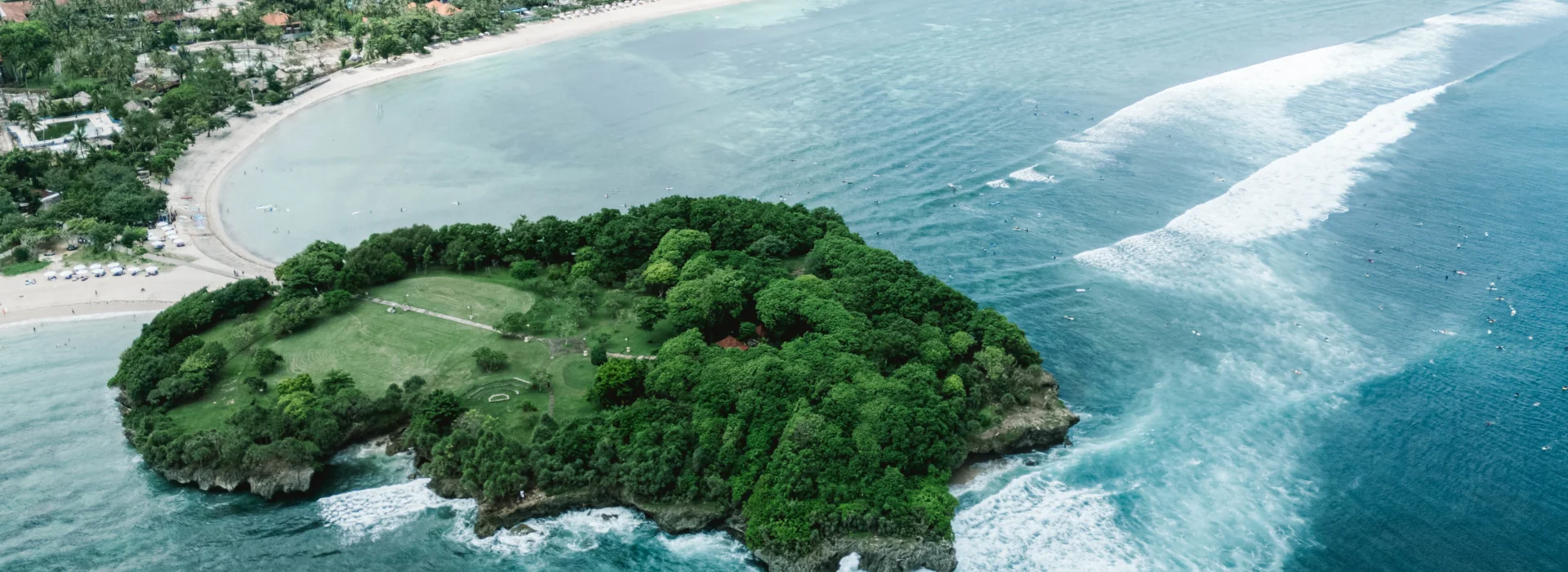
Can you surf in Bali when it rains?
A guide to Bali’s wet season
There is a common misconception that when it rains you can no longer surf. This is a myth. If you are planning a surf trip to Bali between November and March you should be aware that this falls within the island’s rainy months, but do not worry just yet because the wet season doesn't mean the waves disappear or that your surf holiday has to be put on hold.
Bali has two main seasons, the dry season which runs from April to October and the wet season which runs from November to March. The different seasons bring different rainfall patterns and wind directions, but the surf stays consistent all-year round, you just need to be smart about where to go. This is literally our job at Kima Surf Camps.
So, what happens to surf lessons when it rains in Bali? How does the wet season affect the waves, and what should you expect if you're planning a surf holiday? Here's everything you need to know.
Does rain affect the waves?
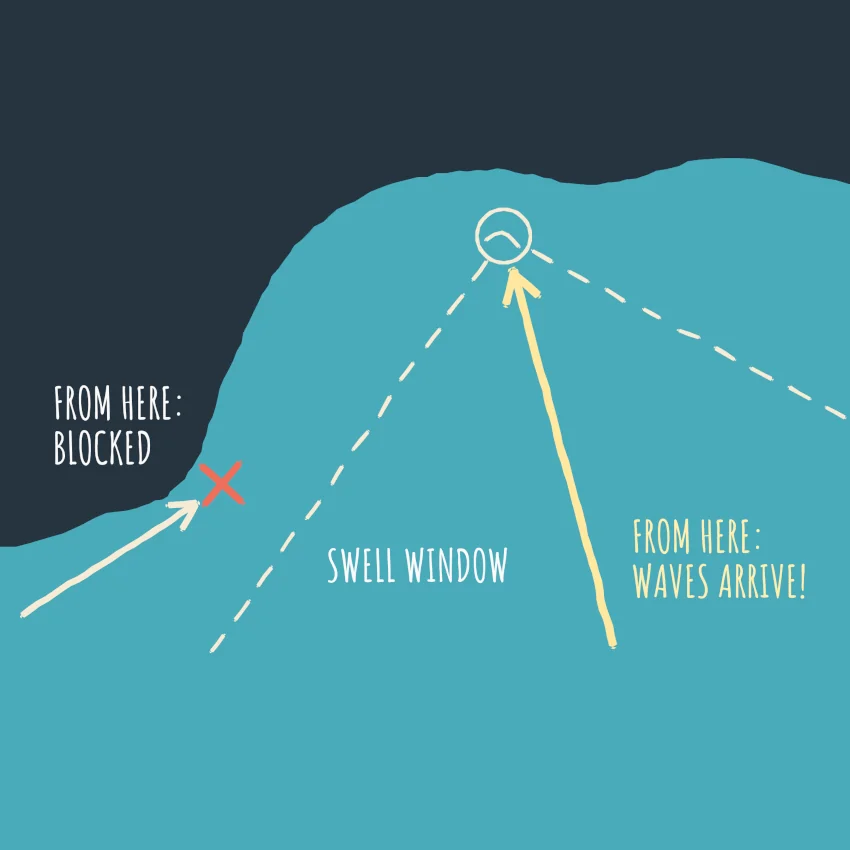
Rain alone does not have a direct effect on the quality of the waves. However heavy rainfall can affect water quality at surf spots near river mouths, suitable waves do not automatically mean suitable water quality after heavy rainfall. Wave quality is affected by four main factors:
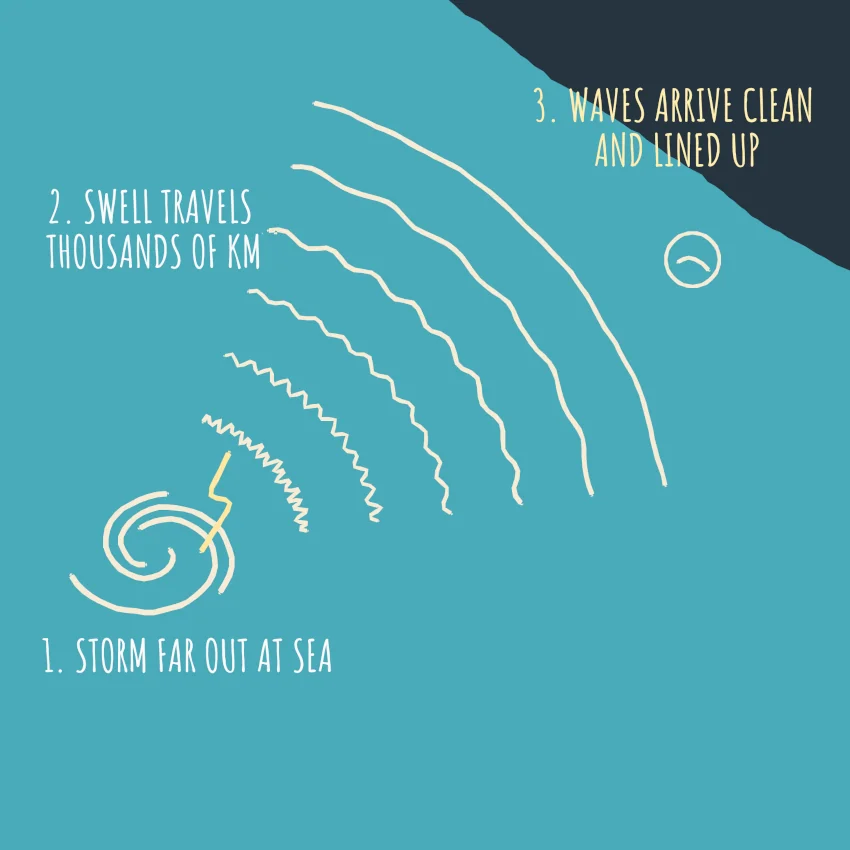
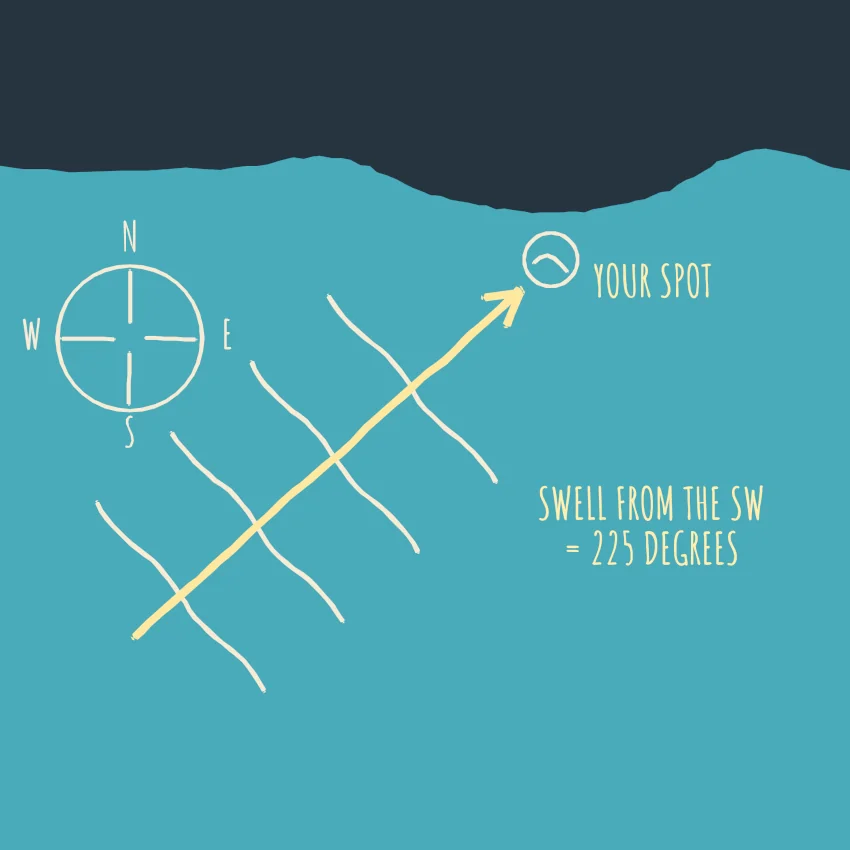
- Swell: Its size, direction and period determine the size and power of the waves reaching Bali.
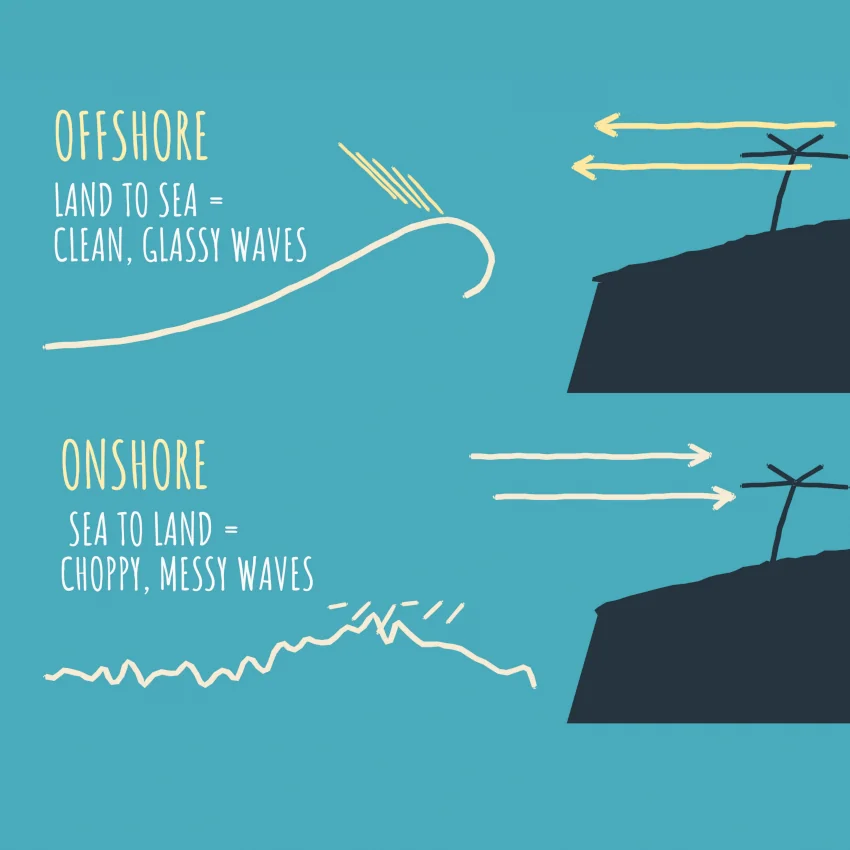
- Wind: Offshore winds (winds blowing from the land to the ocean) help create clean waves, while onshore winds (winds blowing from the ocean to the land) can make them choppy.
- Tides: Changing water levels affect how and where waves break, with each surf spot working best at different tides.
- Location: Bali's coastline faces different directions, meaning wind and swell affect each surf spot differently.
Rain alone doesn't affect wave quality, but storms can bring lightning, strong winds and dangerous conditions, making it unsafe to surf.
When are surf sessions cancelled?
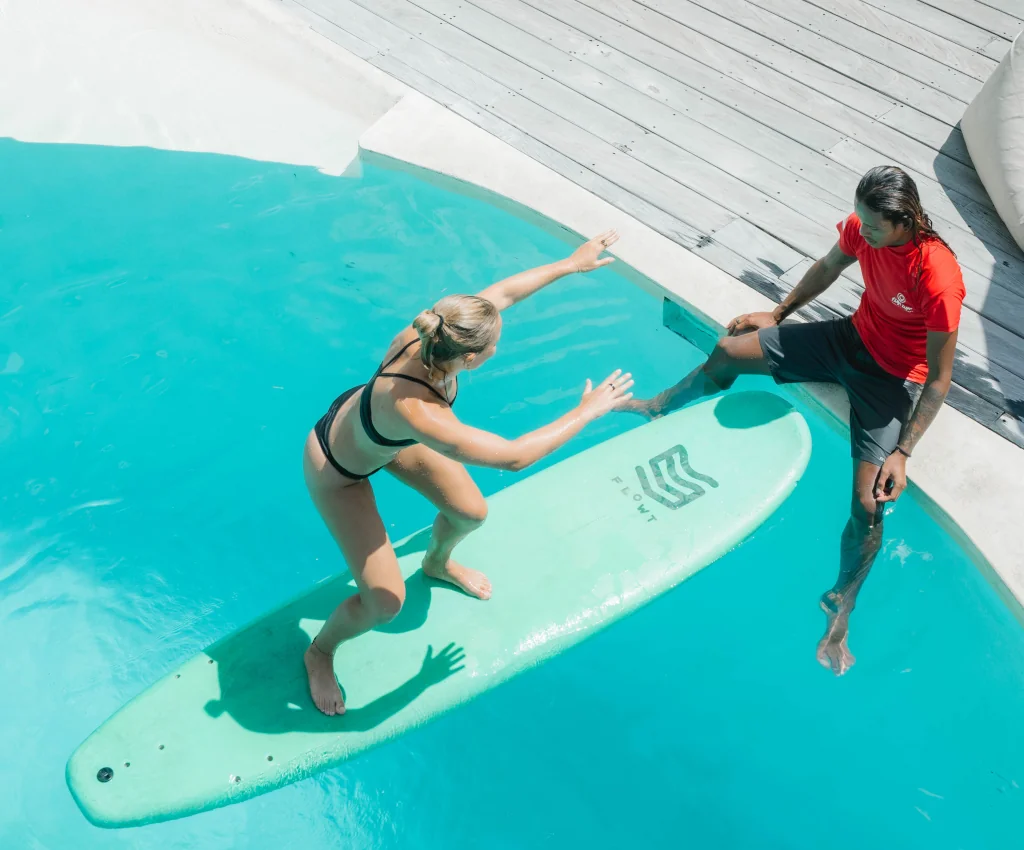
Yes, absolutely! A rainy day doesn’t automatically mean your surf session will be cancelled. At Kima Surf Camps, our two daily guided surf sessions continue as long as conditions are suitable. Our experienced surf guides assess the waves, wind and weather to choose the best spot for the day, adjusting the plan if conditions change.
So, when do we cancel? If conditions become unsafe due to lightning, thunderstorms, strong winds or other hazards, our guides will call off the session. A little tropical rain is usually nothing to worry about, but safety always comes first.
What is the wet season like in Bali?
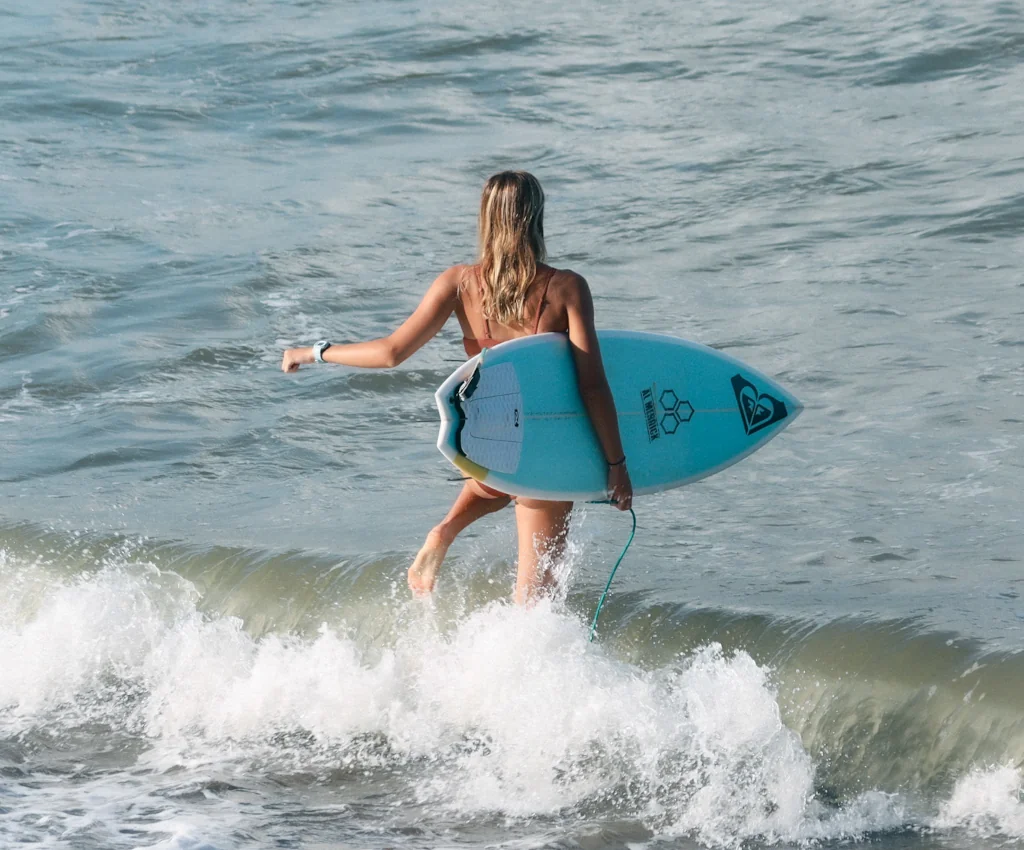
From November to March, humidity rises in Bali and rainfall becomes more frequent, usually arriving in short, heavy tropical showers. It doesn’t rain all day, every day, though. Temperatures remain warm, typically around 28–32°C, with plenty of sunny spells between showers.
You might experience a sunny morning, a heavy afternoon downpour and clear skies again by evening. On other days, rain may last longer.
An interesting factor to consider this year is El Niño, a climate pattern that can influence rainfall across Indonesia. It could mean a drier-than-usual wet season in Bali, showing that the weather doesn’t always follow the calendar. Either way, it’s best to keep your plans flexible, check local forecasts and avoid organising your entire surf holiday around long-range weather predictions.
Where to surf in Bali’s wet season?
When the seasons transition the biggest change is the wind direction. During the dry season the easterly trade winds often favour Bali’s west coast. In the wet season, winds more commonly come from the west or northwest, which can make parts of the east coast a better option.
This does not suggest that the west coast stops working and the east coast becomes perfect. The wave quality depends on the wind, tides, swell and location but luckily Bali’s different coastlines gives surfers a lot of options to choose from, and there is most likely a spot with favourable conditions.
One of the best things about surfing with Kima Surf Camps during the wet season is getting to surf another side of Bali. When the wind shifts our surf department selects surf spots along the east coast as conditions can be more favourable. And the best part? We organise the trips, so all you need to do is be ready on time!
Our east coast day trips are a fun way to explore new breaks, with two surf sessions and lunch in between, or one longer session depending on the group’s preferences and the conditions. Check out our East Coast Surf Guide to discover more about the spots we visit.
For surfers looking to explore further offshore, our Kima boat trips offer access to outer reef breaks, including Baby Reef and Serangan, when conditions allow. More advanced surfers may also get the chance to surf Keramas, Bali’s famous right-hand reef break, known for its fast, powerful waves.

Benefits of surfing during Bali’s wet season?
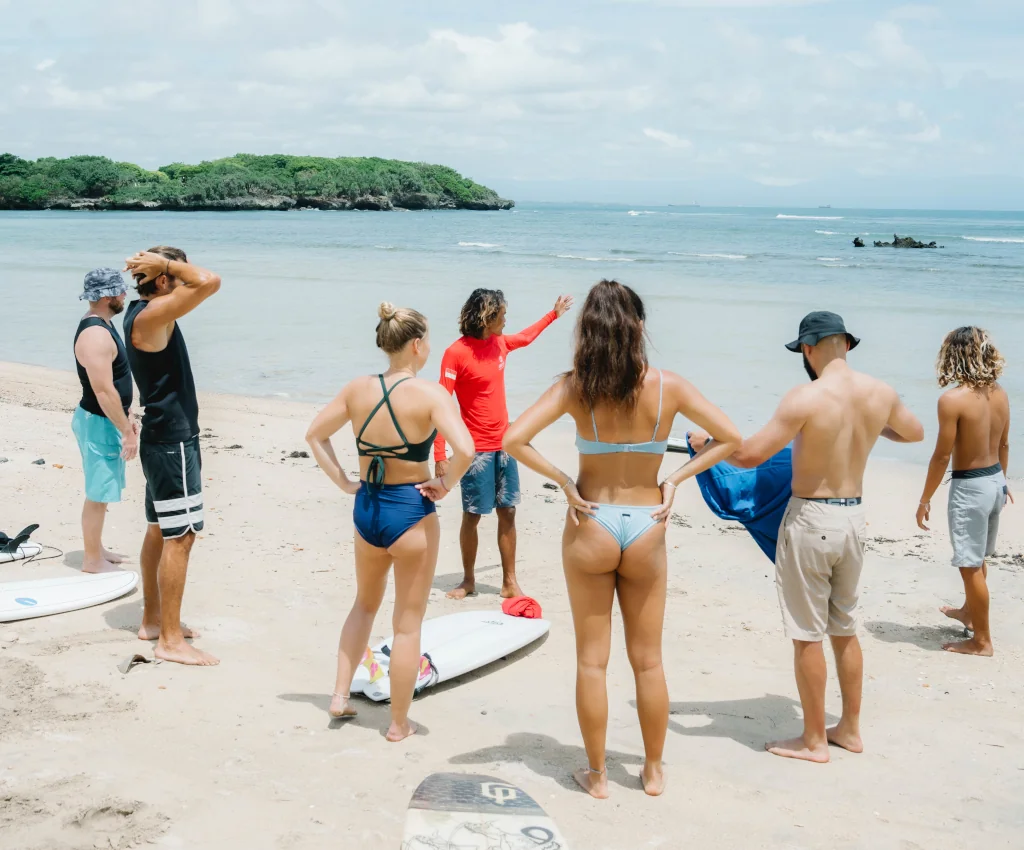
Visiting Bali is the wet season really can be charming, there are a few benefits of planning a surf trip to Bali in the rainy months:
- Warm weather: Temperatures stay tropical, so you can spend plenty of time in the water and trade the cold Christmas winter for the tropics.
- Lush landscapes: The increased rainfall brings Bali’s lush green rice terraces, jungle and countryside to life.
- Different surf options: Changing wind directions can make different parts of the island worth exploring, and the opportunity to surf Bali’s East Coast.
- A more flexible itinerary: Rainy spells are a good opportunity to enjoy yoga, explore local cafés, try a cooking class or relax at camp.
- Potentially quieter spots: Crowds vary by location and time of year, but some areas can be less busy outside peak travel periods.
Ready to surf with Kima this wet season?
Bali’s wet season doesn’t mean the end of good waves. With different coastlines to explore, east coast day trips and boat adventures to outer reefs, it can be one of the most fun times to discover Bali’s surf spots.
At Kima Surf Camps, we take care of the planning so you can focus on what you came for: surfing, exploring and having a good time. All you need to do is show up ready, trust your guides and embrace a little tropical rain along the way.
Check out our surf camps in Canggu, Seminyak and Uluwatu, and let’s get you in the water!
Book NowWet season FAQs
Yes! Rain alone won’t affect wave quality. Kima’s guided surf sessions go ahead as long as conditions are safe. Our guides assess the weather, waves and wind to choose the best spot for the day. If conditions become unsafe, such as during lightning or severe storms, the session will be cancelled.
Yes, in the wet season the waves are often smaller and more forgiving. Suitability depends on the specific break, swell and conditions, particularly at reef breaks. At Kima matching the waves to your ability, is our job!
The east coast often offers more favourable conditions when westerly winds affect Bali during the wet season. Popular options include Serangan, Baby Reef and Nusa Dua, while more advanced surfers may get the chance to surf Keramas when conditions are right.
Yes, this is included in your Kima package. Kima organises east coast surf day trips during the wet season.
No. Lightning and thunderstorms can make surfing dangerous, so sessions will be cancelled if conditions are unsafe. Our guides put safety first when deciding whether to proceed.
Pack lightweight, quick-drying clothes, a light rain jacket and a waterproof bag to protect your valuables during rainy days or boat trips. Temperatures remain warm, so heavy layers aren’t necessary. Don’t forget your sunscreen, either — the tropical sun can still be strong on cloudy days.
